
23 October 2026, 14:38
Loading...
CO2 emissions under the EU ETS have fallen by 50% since its introduction in 2005

Jan Budín
12 April 2025, 08:11
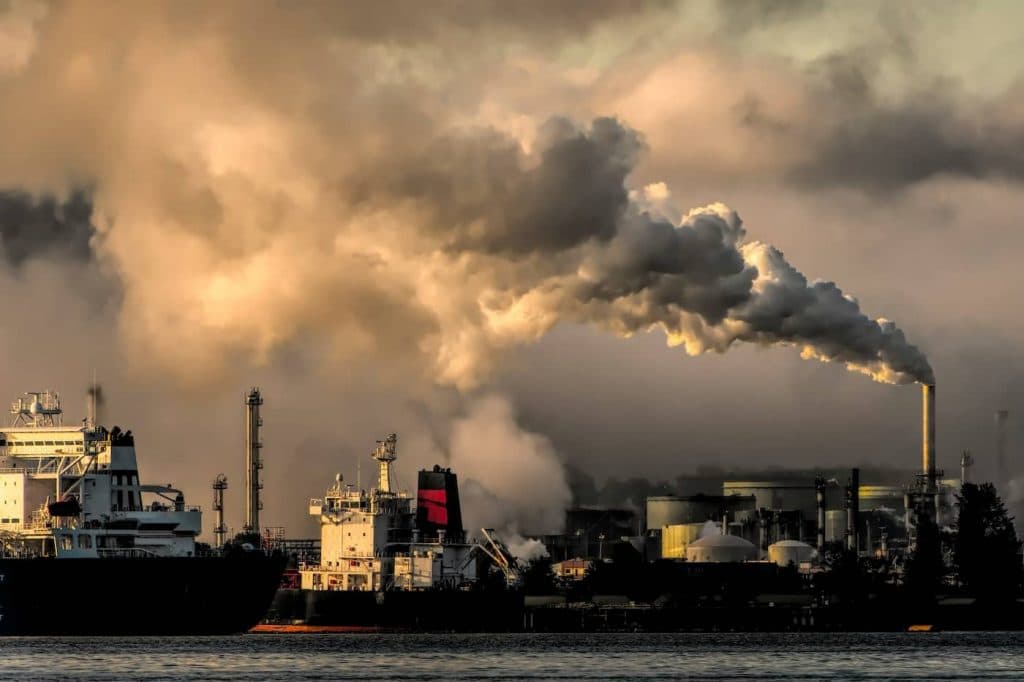
CO2 emissions from installations covered by the European Union Emissions Trading System (EU ETS) continued to fall in 2024. The main driver of the decline was once again the power generation sector, where CO2 emissions fell by 12% year on year. The European Commission's Directorate-General for Climate Action reported.
CO2 emissions from stationary combustion installations with a rated thermal input of more than 20 MWt and from aviation, both covered by the EU ETS, fell by 5% year on year last year. Since the system was introduced in 2005, emissions have fallen by around half, putting the EU on track to meet its 2030 target of a 62% reduction compared with 2005, according to the Directorate-General for Climate Action.
"The trend observed confirms the effectiveness and efficiency of the European cap-and-trade system as a significant policy tool for decarbonising the European economy," the European Commission's Directorate-General for Climate Action said.
Power generation once again leads the decline
According to the information released, the power generation sector was the main driver of last year's reported emissions decline, with a 12% year-on-year fall. This was achieved through an 8% increase in electricity generation from renewable energy sources and a 5% increase in nuclear power generation, on the one hand, and an 8% decline in gas-fired generation and an even sharper 15% drop in coal-fired generation, on the other.
"Renewable electricity generation grew primarily thanks to solar power (up an impressive 19%) and hydropower. Wind power generation remained unchanged despite less favourable conditions during certain parts of the year," the European Commission's Directorate-General for Climate Action added, noting that overall electricity generation was almost unchanged year on year.
Last year, greenhouse gas emissions from energy-intensive industries were on average unchanged from 2023. However, there were considerable differences between sectors.
Emissions from fertiliser production rose by 7% year on year, while those from the cement industry fell by 5%. These changes corresponded with changes in production volumes, with fertiliser production growing by 6% year on year and the cement industry declining by 5%.
CO2 emissions from aviation covered by the EU ETS rose by around 15% last year compared with 2023. According to the Directorate-General for Climate Action, this was partly due to the expansion of the geographical coverage of flights covered by the EU ETS.
Translation disclaimer
This article is a machine translation of the Czech original and has not yet been fully reviewed. In case of any doubt, please refer to the Czech version.
Sdílejte článek prostřednictvím:
You might also like


23 October 2026, 11:01


23 October 2026, 06:34