3 October 2026, 13:01
Loading...
ETS 2 allowances to get price safeguard as Brussels seeks to calm market

oEnergetice.cz, ČTK
11 June 2026, 07:21
Representatives of European Union member states and the European Parliament agreed overnight on changes to the ETS 2 emissions trading system aimed at preventing sharp price fluctuations in allowances. The Council of the EU, which represents EU countries, announced the agreement. The changes provide for a price cap of 45 euros (1100 crowns) per tonne of CO2 emitted, with allowances automatically released from the market stability reserve once the cap is reached.
The EU emissions trading system is designed to encourage emissions reductions. Companies must buy allowances for every tonne of carbon dioxide they emit. The more they emit, the higher their costs, giving them an incentive to invest in cleaner technologies. The EU ETS 1 system is Europe's main carbon market, covering energy, heavy industry and aviation in the EU. The expansion of the system, EU ETS 2, is due to be introduced in 2028 after a one-year delay, and will cover road transport and building heating. ETS 2 will also include a social climate fund to mitigate the impact on low-income households.
EU lawmakers considered changes to the postponed system following calls from some countries, including France and Czechia, which were concerned about the potential impact of higher fuel and heating costs on residents. The key change is that if the allowance price reaches the aforementioned cap, 40 million allowances will be released from the reserve into the system to prevent further price increases. The original plan called for half that number to be released.
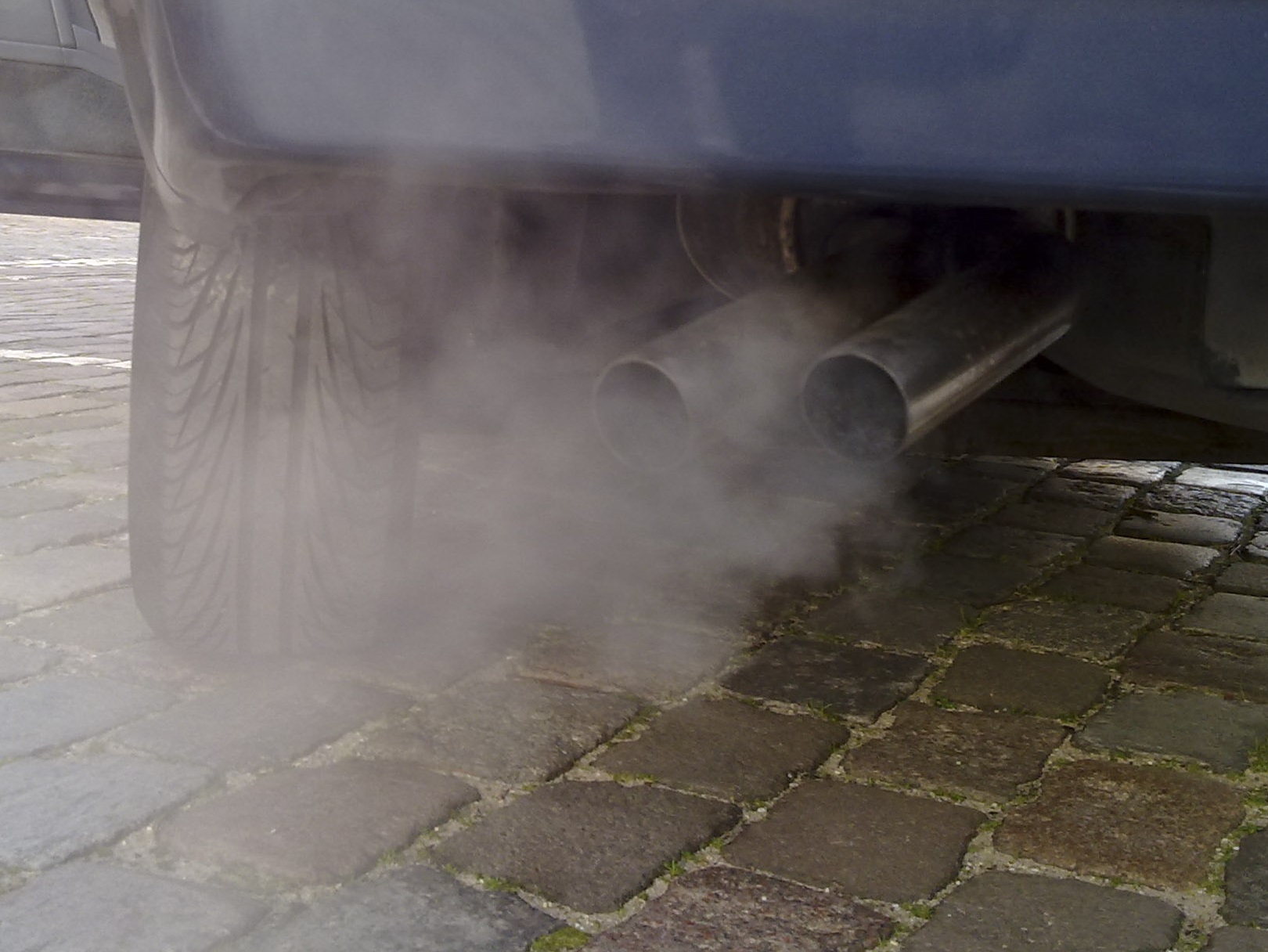
Emissions from a car exhaust. Source: Ruben de Rijcke / Wikimedia Commons / CC-BY-SA-3.0
The agreed compromise, negotiated on behalf of the European Parliament by Czech MEP Danuše Nerudová (STAN), provides for allowances from the reserve to be released for sale twice a year.
For the revised system to enter into force, it must first be formally approved by both member states and the European Parliament.
Translation disclaimer
This article is a machine translation of the Czech original and has not yet been fully reviewed. In case of any doubt, please refer to the Czech version.
Sdílejte článek prostřednictvím:
You might also like
3 October 2026, 07:43

2 October 2026, 21:55
2 October 2026, 15:14