Electricity was at its most expensive since 2022 in September. Czech coal plants sharply increased output

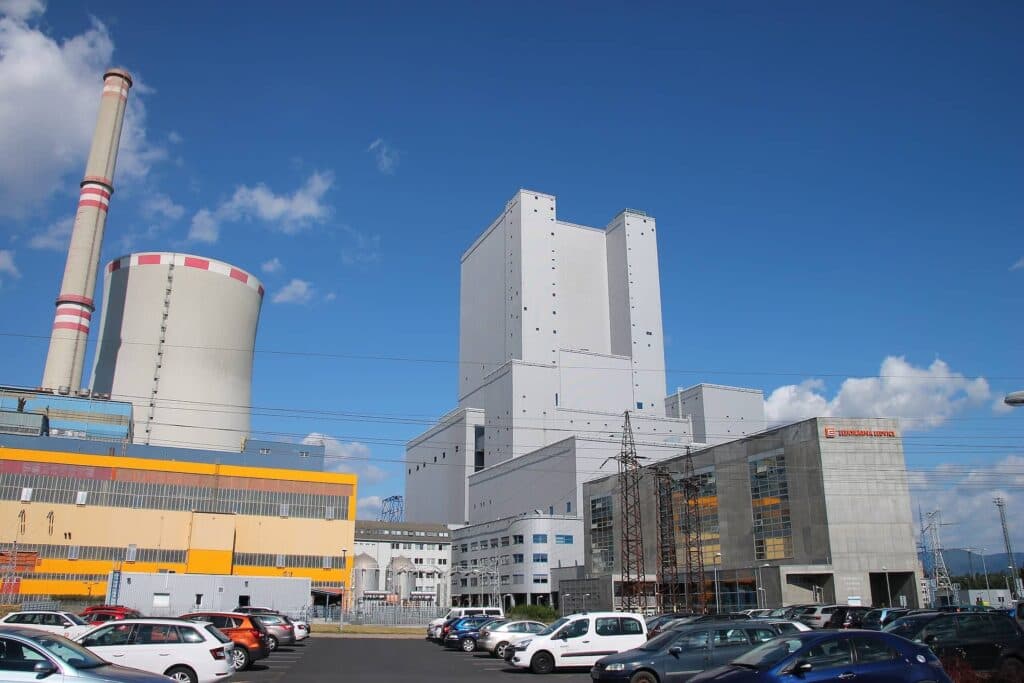
Czech electricity generation rose by more than 1 TWh year on year in September, even though consumption was virtually unchanged. Generation from coal-fired power plants grew the most, benefiting from rising margins driven by high market electricity prices. These were supported by a sharp increase in gas prices, while European gas storage facilities are entering autumn with significantly lower fill levels than in previous years.
Czech power plants generated approximately 6.22 TWh of electricity in September 2026, compared with around 5.11 TWh a year earlier. The year-on-year increase thus exceeded 1.1 TWh.
The biggest change was in lignite-fired generation. Output rose from approximately 1.38 TWh to 2.09 TWh, an increase of more than half. Hard coal added around 27 GWh, and combined generation from the two types of coal increased by approximately 742 GWh. Coal-fired power plants were therefore among the main contributors to year-on-year growth in generation.
High gas prices pushed electricity prices higher
The average electricity price on the Czech day-ahead market rose by more than 60% year on year in September, exceeding 150 EUR/MWh. This was the highest average monthly spot price since 2022. The maximum 15-minute price approached 700 EUR/MWh in mid-September.
Natural gas prices also rose sharply on the European market. The October contract at TTF, Europe's most liquid trading hub, exceeded 80 EUR/MWh, reaching its highest level since 2022.
The price increase was linked to a worsening situation in the Middle East and restrictions on shipping through the Strait of Hormuz. Higher gas prices feed through to the costs of gas-fired power plants, pushing up the market price of electricity as well. In these conditions, generation from domestic coal becomes more economically attractive.
Gas storage levels lag behind previous years
European storage facilities were just under 72% full at the end of September, compared with approximately 82.5% at the same time a year earlier. The five-year average was around 87%. Czech storage facilities were just under 77% full, above the European average.
A smaller European reserve does not in itself mean that gas supplies will be insufficient. However, it makes the market more sensitive to cold weather, disruptions to LNG imports, or a simultaneous surge in demand in Europe and Asia. This can create price risks even for countries whose storage facilities are fuller than the European average.
Germany steps in, with effects also felt in Czechia
German storage facilities were only 58% full on the same date, putting the country among the significant laggards. Berlin therefore ordered state-owned company SEFE to buy and store an additional 8 TWh of gas by 15 December. This volume is equivalent to approximately 3.2 percentage points of Germany's storage capacity.
For Czechia, developments matter not only because of its own gas security but also because of its links to the European energy market. Higher gas prices can make electricity more expensive across the region and change which power plants are economically viable to operate.
Translation disclaimer
This article is a machine translation of the Czech original and has not yet been fully reviewed. In case of any doubt, please refer to the Czech version.