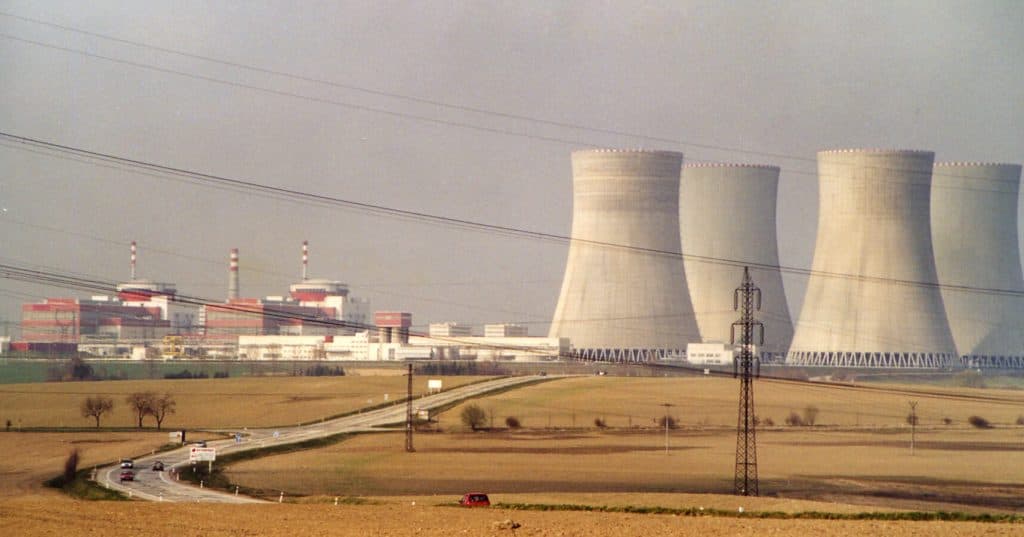
Experts: Emissions allowance price cap would threaten green energy investment in Czechia

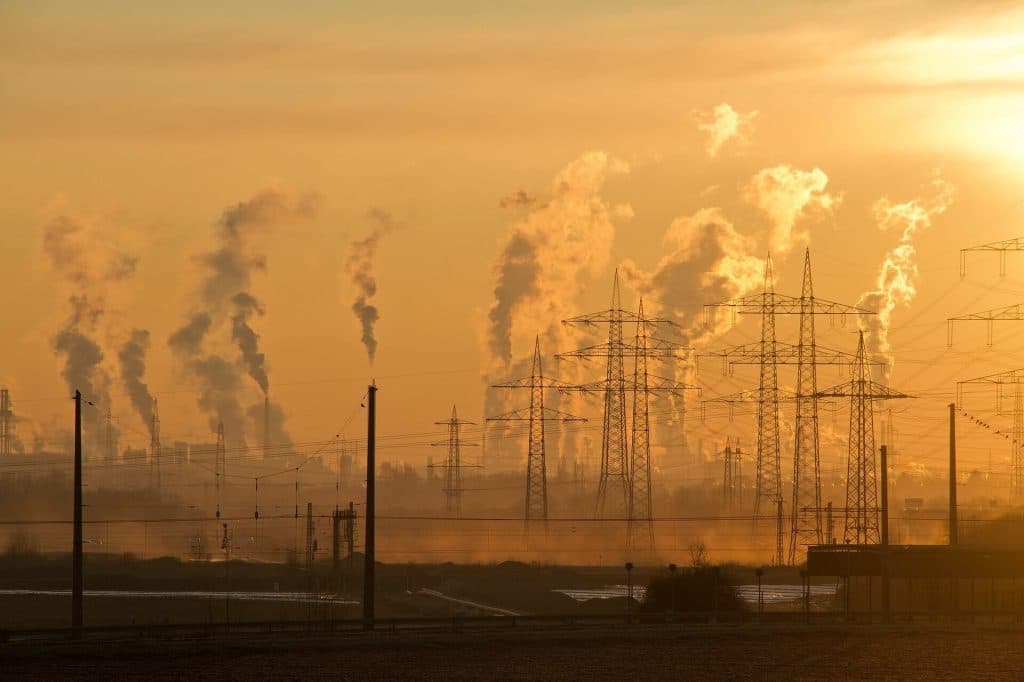
If a price cap were imposed on emissions allowances (EU ETS) in the European Union, the Czech Republic could lose up to 150 billion crowns that would otherwise go towards investments in insulation, renewable energy sources and other measures. Experts said this today at a seminar titled What would happen if the price of an emissions allowance were capped?, organised by Hnutí Duha. They said the move would disrupt not only the financing of climate policies, but also incentives to invest in wind and solar power plants, whose returns would fall.
Revenue from emissions allowance sales is one of the main sources of funding for programmes such as New Green Savings, subsidies for solar panels for municipalities, and heating plant renovations. “Capping the price at 40 euros per tonne of carbon dioxide from 2027 would mean a loss of 80 billion crowns for the Modernisation Fund and 69 billion from national auctions,” said Jiří Koželouh of Hnutí Duha. At the current price of around 80 euros, Czechia could receive up to 386 billion crowns for investments in green energy and energy-saving measures.
Experts say a price cap would also reduce the returns on investments in renewable energy sources. “The price of an emissions allowance directly affects the returns on investments in, for example, wind farms,” said Matěj Kolouch Grabovský of Fakta o klimatu. He added that if the price of carbon dioxide emissions were low, investments in wind power might not pay off.
Tatiana Mindeková of Ember Energy noted that gas prices remain twice as high as before the crisis, even after the crisis has subsided. “The EU remains dependent on expensive imports of liquefied natural gas (LNG). Gas subsidies are rising and putting a strain on public budgets,” she said. She recommended further development of renewable energy sources, cross-border grid interconnections, greater flexibility in the energy system and expanded storage capacity as solutions.

The European Green Deal, she said, has brought benefits beyond reducing emissions. In 2024, wind and solar power covered almost half of the EU’s electricity consumption. This saved the bloc 59 billion euros that it would otherwise have spent on coal and gas imports.
Experts agree that the idea of capping allowance prices is marginal and unrealistic in the EU, particularly given the system already in place and its results. “A low cap would mean less money for cheap, clean energy sources, fewer savings and greater dependence on risky imports,” Koželouh said. He added that support for a cap is very much a minority view within the EU.
The European Union Emissions Trading System is the EU’s main tool for reducing greenhouse gas emissions. It works by setting an overall emissions limit for covered sectors, such as energy, industry and aviation, and requiring companies to buy allowances for every tonne of carbon dioxide they emit. The number of allowances is gradually reduced, encouraging companies to invest in cleaner technologies. The system covers approximately 40 percent of EU emissions and is a key part of the strategy to achieve climate neutrality by 2050.
Translation disclaimer
This article is a machine translation of the Czech original and has not yet been fully reviewed. In case of any doubt, please refer to the Czech version.