Methane rules set for delay: European Parliament heeds pressure from Czechia and other countries

Members of the European Parliament today backed a three-year delay to key obligations under the methane regulation for imported oil and gas. The European Commission had initially proposed a delay of just one year. The Czech Republic, among others, had pushed for a delay and subsequently secured the support of 19 other countries, including Germany. Prague had called for a delay of up to three years, while France proposed one year. The European Parliament will now negotiate the final version of the legislation with the Council of the EU, which represents the member states.
A three-year delay was supported by 341 MEPs, opposed by 225, while six abstained.
The methane regulation introduces stricter rules on methane emissions from the production and import of oil and gas into the European Union. The Czech Republic and other countries called for the entire regulation to be delayed, citing concerns that the new obligations for companies could disrupt oil and gas supplies.
The regulation entered into force in August 2024, and its individual obligations are being phased in. Rules due to take effect on 1 January 2027 would require foreign suppliers of oil and gas to the EU to monitor and report methane emissions. This was the focus of concerns among some member states, which said there were not enough monitoring devices and independent verifiers in third countries. Methane is the second most significant greenhouse gas contributing to global climate change, after carbon dioxide.
The Czech Republic had raised the issue as early as spring. In April, Czech representatives and other countries submitted a so-called non-paper to the Commission, calling for key obligations for importers to be delayed. Babiš subsequently wrote to European Commission President Ursula von der Leyen. Concerns intensified amid the energy crisis that followed the outbreak of conflict in the Middle East and the disruption of traffic through the Strait of Hormuz. Some member states warned that strict import requirements could complicate or further increase the cost of importing gas and oil into the EU amid tense energy markets.
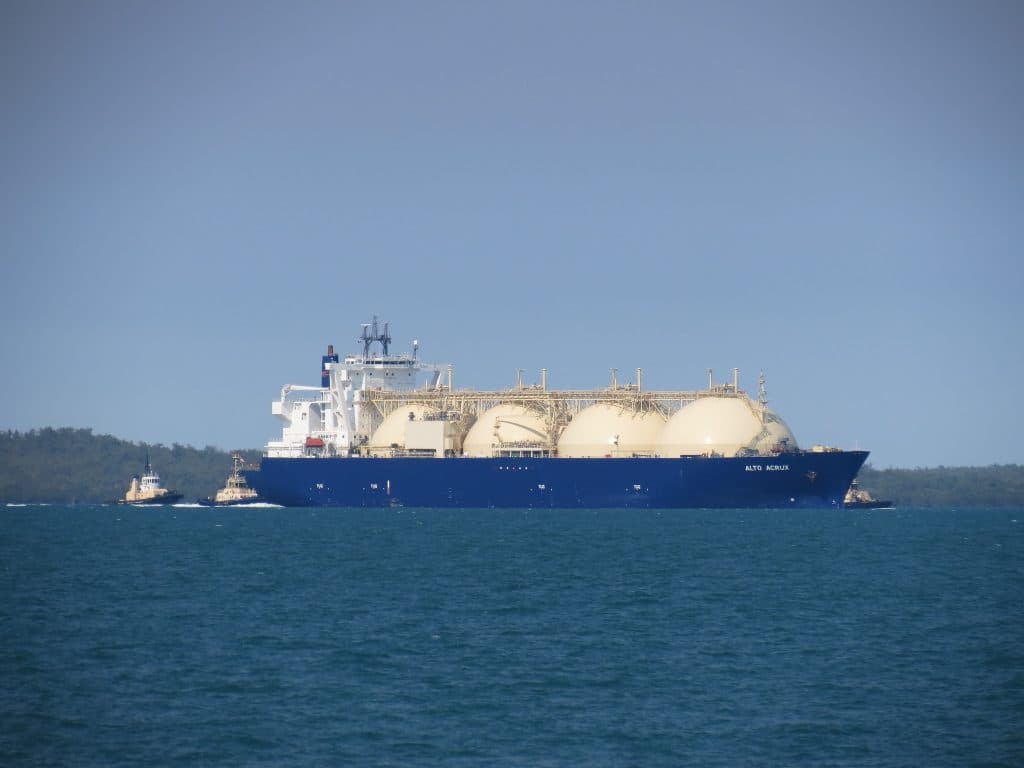
The United States, Europe's largest supplier of liquefied natural gas (LNG), warned the EU in June that the methane rules could disrupt fuel supplies. Companies including oil giant ExxonMobil also backed this position. French President Emmanuel Macron subsequently wrote to the President of the European Commission, also calling for a delay.
The Commission eventually proposed in October this year a one-year delay to some importer obligations due to take effect on 1 January 2027. The European Parliament, however, is pushing for a three-year delay. Importers of oil, gas and coal would thus have more time to demonstrate that their suppliers comply with methane emissions monitoring, reporting and verification rules comparable to EU requirements. The deadline would move to May 2031.
Translation disclaimer
This article is a machine translation of the Czech original and has not yet been fully reviewed. In case of any doubt, please refer to the Czech version.