
22 October 2026, 10:45
Loading...
Heat from Temelín saves coal and improves air quality in Czechia's České Budějovice. Emissions fall by a third

oEnergetice.cz, ČTK
22 October 2026, 10:39
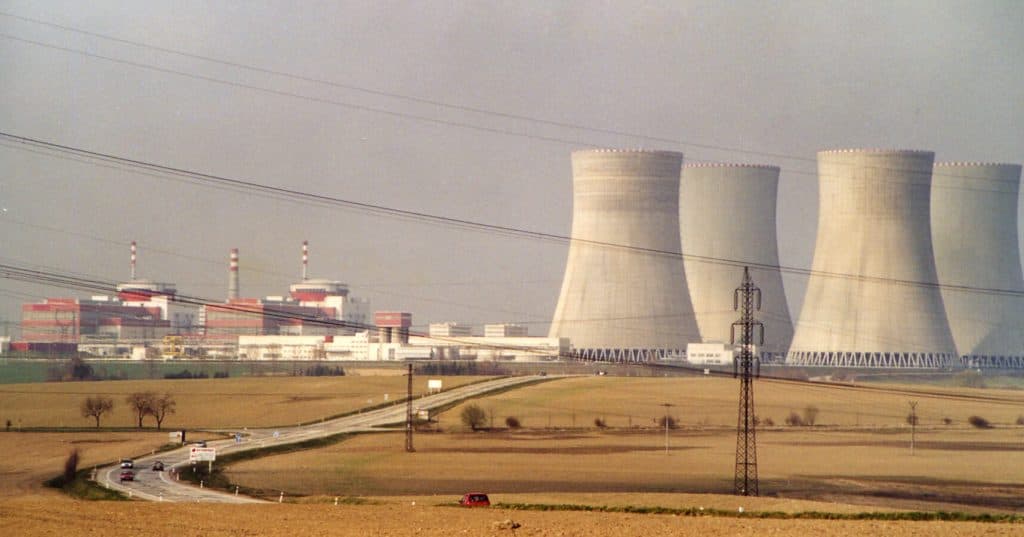
The hot-water pipeline connecting the Temelín Nuclear Power Plant with České Budějovice delivered 719,000 gigajoules of heat to the regional capital from October 2025 to this September. That is 7.9 percent less year on year. The pipeline has been in operation for three years, since October 2023, and delivered 663,000 GJ of heat in its first year. It has helped the České Budějovice heating plant cut emissions by a third, as it supplies heat to roughly one-third of the city. Temelín plant spokesperson Marek Sviták told reporters today.
Water at a temperature of more than 100 degrees Celsius is currently flowing into České Budějovice, with daily deliveries averaging 2,500 GJ, depending on outdoor temperatures and the city’s current needs. “Heat deliveries are not about setting annual records, but about maximum reliability and stability. We supply exactly as much heat as České Budějovice needs at any given moment. The modernisation work carried out at both of our heat-exchange stations in recent years has also made a significant contribution,” said Bohdan Zronek, a member of ČEZ’s board of directors and head of its nuclear energy division.
Thanks to heat supplied from Temelín, emissions from the České Budějovice heating plant, including greenhouse gases, have fallen by about a third. The plant saves tens of thousands of tonnes of CO2 from coal each year by not having to burn it. Temelín and České Budějovice are connected by two pipelines, each 26 kilometres long and laid at least 1.3 metres underground.
Radiator, heating. Source: Pixabay
Energy specialists produce the heat using steam intended for electricity generation. They say the combined production of electricity and heat is a highly efficient way to operate a nuclear power plant. “In addition to heating the plant site, Týn nad Vltavou and around one-third of České Budějovice, a single Temelín unit can generate enough electricity in one hour to supply 300 Czech households for a whole year,” said plant director Petr Měšťan.
Heat deliveries to České Budějovice built on decades of experience supplying heat to Týn nad Vltavou, which has received heated water from the power plant since 1998. Over that time, the plant has delivered more than five million GJ to the town, five kilometres away. The switch to nuclear heat made it possible to close 22 coal-fired heating plants and three large boiler houses.
Translation disclaimer
This article is a machine translation of the Czech original and has not yet been fully reviewed. In case of any doubt, please refer to the Czech version.
Sdílejte článek prostřednictvím:
You might also like

22 October 2026, 10:07

22 October 2026, 06:21

21 October 2026, 17:52