
28 October 2026, 15:10
Loading...
Germany is close to meeting its 2030 climate target, but is not meeting EU targets

Zuzana Vrbová
20 March 2024, 11:14
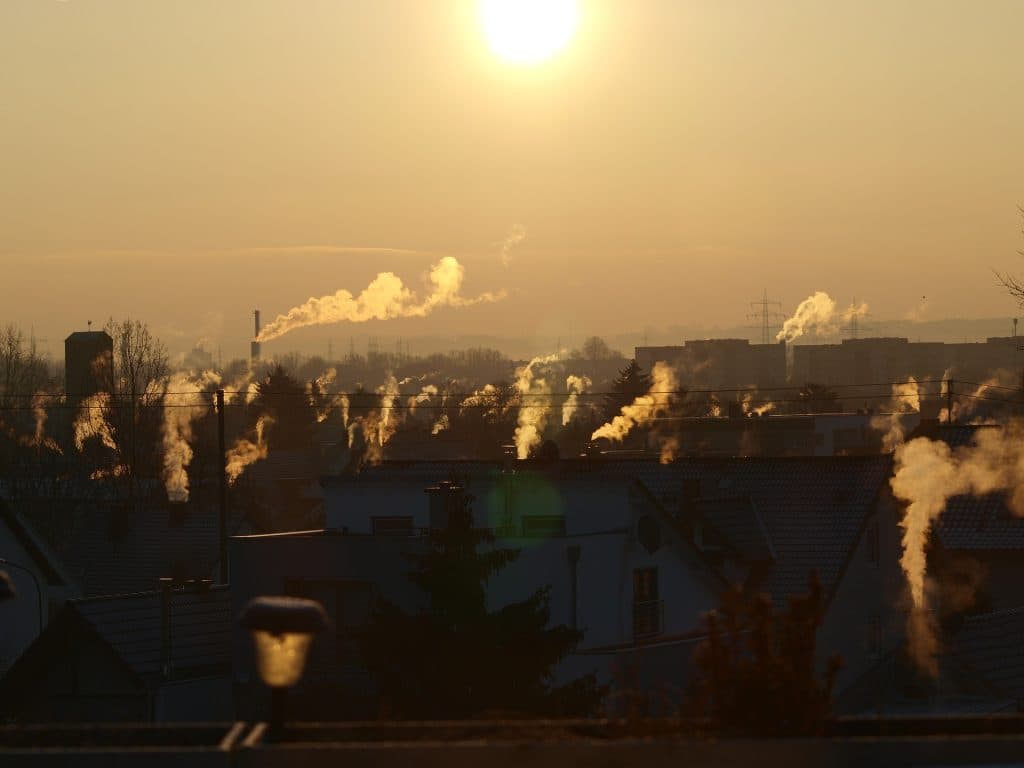
EU-mandated sectoral climate targets will be difficult for Germany to meet. However, the German economy is on track to meet its national target of reducing emissions by 65% by 2030.
In addition to its 2030 target, Germany has also set a goal of becoming fully climate-neutral by 2045, as reported by Euractiv. The country is already almost halfway there. It is cutting emissions from the 1990 level of 1,200 million tonnes; in 2023, Germany emitted approximately 670 million tonnes of greenhouse gases.
Last week, Robert Habeck, Minister for Economic Affairs and Climate Action, presented data on the economy and climate in 2023, along with an outlook for the coming years. He said that Germany was on track for the first time. According to his ministry, the national climate targets for 2030 should be met. This is due, among other things, to a sharp decline in industrial production in 2023 as a result of high energy prices.
Habeck expects emissions to continue falling despite the anticipated economic recovery. The energy sector is the main driver of these reductions, and is on track to save a further 175 million tonnes of CO2. Industry follows, and is expected to exceed its reduction target by 37 million tonnes.
Emissions cuts are stalling in some sectors
Germany will have a much harder time meeting its targets in agriculture, waste management and buildings. The situation is even more complicated in other sectors. Transport, for example, faces major problems, and its regulation traditionally meets resistance. Germany's transport sector is expected to emit 180 million tonnes of CO2 more than its target by 2030. Dirk Messner, head of the German Environment Agency, predicts that "German roads will be full of diesel and petrol cars, while all other energy will come from renewable sources".
In its Climate Act, Germany has adopted an economy-wide approach to emissions reductions instead of a sectoral one. However, the EU requires emissions to be reduced in every sector. The chosen approach will therefore bring an overall reduction in emissions, but will not help the country meet EU targets.
According to Messner, the EU has set very ambitious emissions-reduction targets for the transport and buildings sectors. These sectors, which fall under the Effort Sharing Regulation, are notoriously difficult to decarbonise in wealthier EU countries. Germany also plans to invest in carbon capture, which could help its emissions balance to some extent.
Translation disclaimer
This article is a machine translation of the Czech original and has not yet been fully reviewed. In case of any doubt, please refer to the Czech version.
Sdílejte článek prostřednictvím:
You might also like

28 October 2026, 13:08

28 October 2026, 11:10

28 October 2026, 09:08
