
23 October 2026, 14:38
Loading...
Havlíček: EC's emissions allowance proposal is a debacle and does not benefit Czechia

oEnergetice.cz, ČTK
21 October 2025, 19:40
ANO first deputy chairman Karel Havlíček considers the changes to the ETS2 emissions allowance system and the European Commission's (EC) proposal a debacle. He says the amendment, as presented by the EC to ministers at a meeting in Luxembourg today, does not work in Czechia's favor. The EC's positions are becoming increasingly tough and categorical, Havlíček told reporters today after a meeting between ANO, SPD and the Motorists on the program of the future coalition government. ANO therefore remains opposed to emissions allowances becoming part of Czech legislation. Prime Minister Petr Fiala (ODS) today urged the incoming government to continue Czechia's initiative.
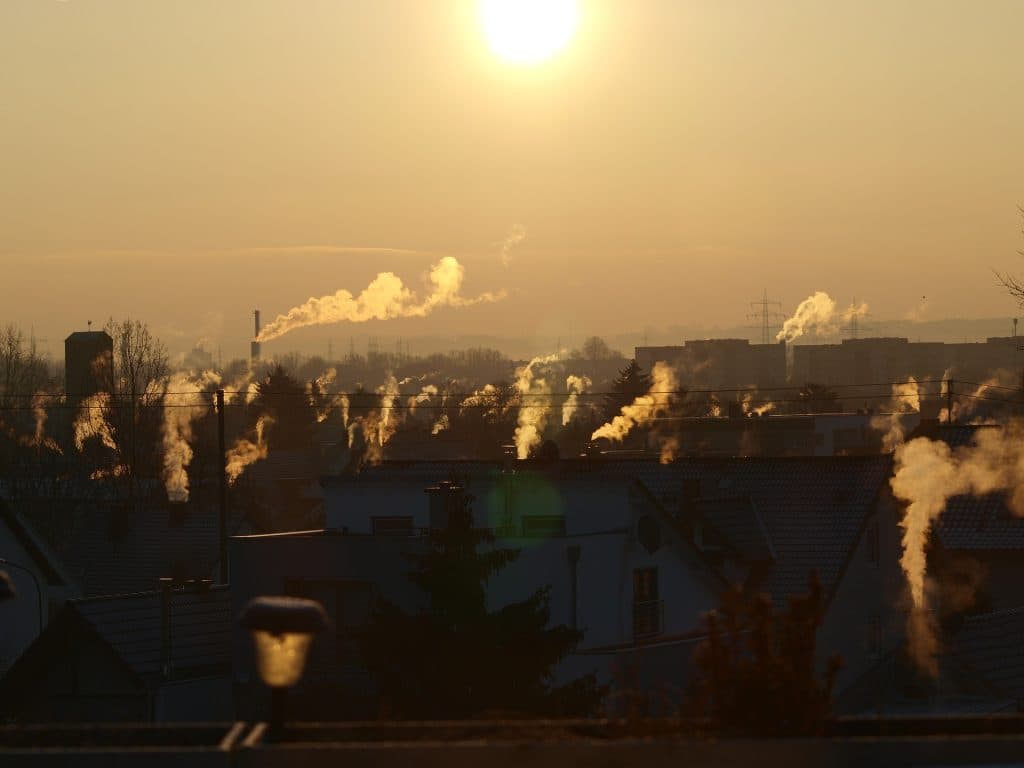
The new ETS 2 system is set to extend emissions allowance trading to sectors such as road transport and building heating. Under current plans, it is due to take effect in 2027. Czechia is among nearly two dozen countries that have called for changes to the system and guarantees that emissions allowance trading will be predictable, allowance prices will not rise sharply and the system will not negatively affect citizens.
Environment Minister Petr Hladík (KDU-ČSL) said today on X that the EC had heeded Czechia's call to amend the new ETS2 emissions allowance system and had presented a specific proposal to change the legislation. He said it would be possible to stabilize allowance prices and prevent fluctuations. “Emissions allowances will therefore not threaten our households, small self-employed workers, producers or businesses,” Hladík added.
The prime minister shares this view. “At the same time, however, we must not stop halfway and must continue to seek support for postponing the launch of this type of allowance altogether. That is why I urge the incoming government to continue our initiative. In the EU, it is not enough simply to complain and criticize. Only through tough negotiations, patient explanations of our positions and the building of coalitions can we secure concrete steps that will genuinely help our citizens,” Fiala said.
According to Hladík, at the ministerial meeting the European Commission outlined five mechanisms to ensure that the price of an emissions allowance remains at 45 euros per tonne of carbon dioxide (CO2) over the long term. The mechanisms will be triggered once the allowance price exceeds that level. “The allowance price will therefore be predictable and stable,” Hladík told reporters in Luxembourg. Unused allowances will remain in reserve until 2030. The market stability reserve mechanism will also operate after 2030 and will be able to intervene if the allowance price rises excessively, he added.
Havlíček said, however, that it was illusory to believe that emissions allowance prices could be capped. He said Hladík was making things up, just as he had claimed several months ago that the costs would be in the hundreds of crowns. “They won't be; they will run into thousands or tens of thousands of crowns per household, depending on how the price moves,” Havlíček said today.
“Our position remains unchanged: we will not allow this directive, this regulation, to be incorporated into Czech law. In other words, we will not allow emissions allowances to become part of Czech legislation, and that is our most important line of defense,” Havlíček said.
He also said it was up to other countries whether to introduce the system. “But for the Czech Republic, it would be an absolute disaster, especially for low- and middle-income households,” he added.
Negotiations on the issue are now expected to begin between the European Commission, the member states represented in the Council of the EU and the European Parliament. Hladík said in this connection that he had urged the European Commission to fast-track the proceedings so that the European Parliament could approve the proposal this year.
The EU currently operates the ETS allowance system, which applies to power plants and industrial companies that produce greenhouse gases. Each allowance permits the release of one tonne of carbon dioxide, or an equivalent amount of another gas, into the atmosphere. EU member states are expected to use the proceeds from their sale to fund climate protection measures.
Translation disclaimer
This article is a machine translation of the Czech original and has not yet been fully reviewed. In case of any doubt, please refer to the Czech version.
Sdílejte článek prostřednictvím:
You might also like


23 October 2026, 11:01


23 October 2026, 06:34