CNBC: The world is far from moving away from coal; demand continues to rise, especially in Asia

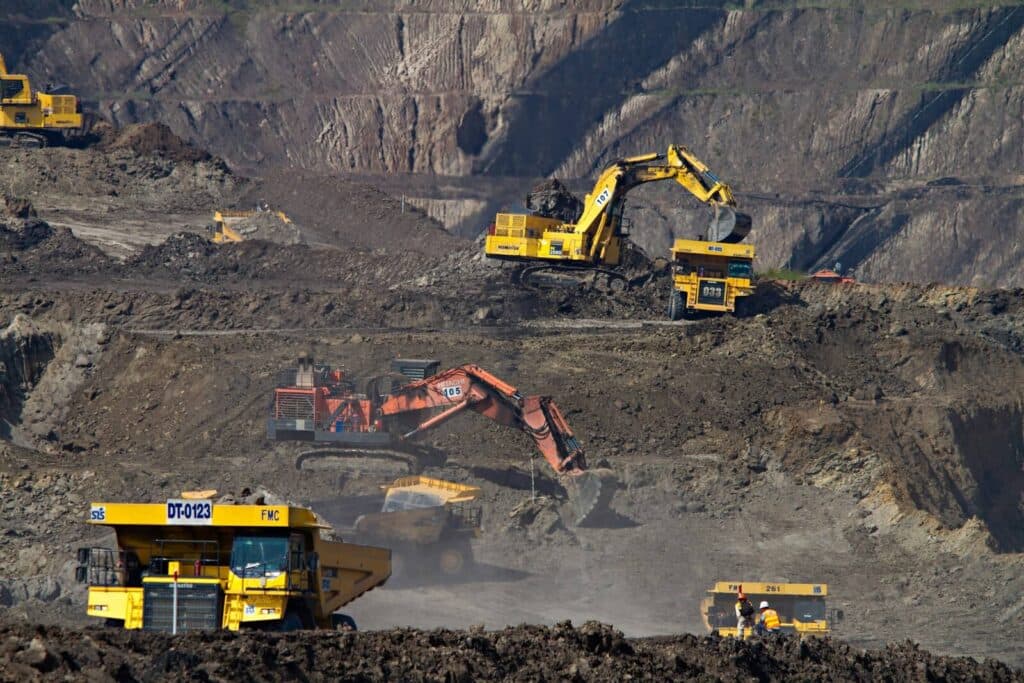
The world is still a long way from getting rid of coal. While coal consumption is falling sharply in Europe and the United States, demand in Asia continues to rise. The United States is also increasing exports to meet global demand. Moreover, installed coal-fired power capacity reached a record last year, and global coal demand is also expected to have surpassed its previous record, CNBC reported. Coal is considered the world’s dirtiest fossil fuel.
A report by the independent research organisation Global Energy Monitor showed that global installed coal-fired power capacity reached a record of nearly 2175 gigawatts (GW) last year. The International Energy Agency (IEA) also expects global coal demand to have risen to a record 8.77 billion tonnes last year and to remain at similar levels until 2027.
“Nothing can destroy coal,” US President Donald Trump said at the recent World Economic Forum (WEF).
“Not the weather, not a bomb.”
China recently announced that it increased coal imports by 14.4 percent last year to a record 542.7 million tonnes. The world’s second-largest economy is the biggest consumer of coal. According to the IEA, it accounted for 56 percent of global demand in 2023.
China’s strategy of maintaining high coal stocks is apparently driven by the country’s preparations for possible energy shortages caused by extreme weather fluctuations, said Dorothy Mei, project manager at Global Energy Monitor. Hydropower, wind and solar power accounted for almost 30 percent of China’s electricity mix the year before last. When, for example, hydropower generation falls due to a lack of rainfall, China relies on coal-fired power. Another significant obstacle in China, according to Mei, is the difficulty of transmitting electricity from solar and wind power across provinces.
India is also a major consumer of coal. Extreme heat there has sharply increased demand for energy to run air conditioners. Clean energy sources are not being built quickly enough in the country to meet rising electricity demand. In addition, the country’s focus on economic development and infrastructure expansion has increased consumption of cement and steel, industries that are heavily dependent on coal. Steel demand in the country is expected to rise by eight to nine percent this year, according to consultancy Crisil, more than in any other country.
Besides India and China, other countries building new coal-fired power plants include Bangladesh, Indonesia and Vietnam. Vietnam is expected to have overtaken Taiwan to become the world’s fifth-largest coal importer, as its coal imports rose last year by the most in a decade. Coal production in Indonesia, meanwhile, rose to a record 831 million tonnes last year, according to the country’s Ministry of Energy and Mineral Resources. The share of coal in the Philippines’ energy mix surpassed China’s in 2023. This made the Philippines the most coal-dependent country in Southeast Asia, according to Ember Energy.
High coal demand in Asia is also partly driven by the sharp rise in gas prices following Russia’s invasion of Ukraine. As a result, several major importers of thermal coal, including China, India and Vietnam, have scaled back plans to build gas-fired power plants, said Ian Ropper, an analyst at Astris Advisory Japan KK.
The IEA expects global electricity consumption to continue rising this year. Artificial intelligence (AI) has also accelerated the need for electricity. Various reports have indicated that electricity demand from data centres around the world will also prolong demand for coal. According to Moody’s Ratings, electricity demand from data centres could rise to more than 35 gigawatts by 2030, up from 17 GW in 2022.
Coal is a reliable and affordable source of electricity. As global electricity demand grows faster, more analysts and industry observers are beginning to echo the IEA’s forecasts that coal demand will remain at record levels.
Translation disclaimer
This article is a machine translation of the Czech original and has not yet been fully reviewed. In case of any doubt, please refer to the Czech version.




