17 October 2026, 13:09
Loading...
Emissions allowance price already threatens hard-coal power plants as German generation falls to multi-year lows

Martin Voříšek
25 August 2019, 12:09
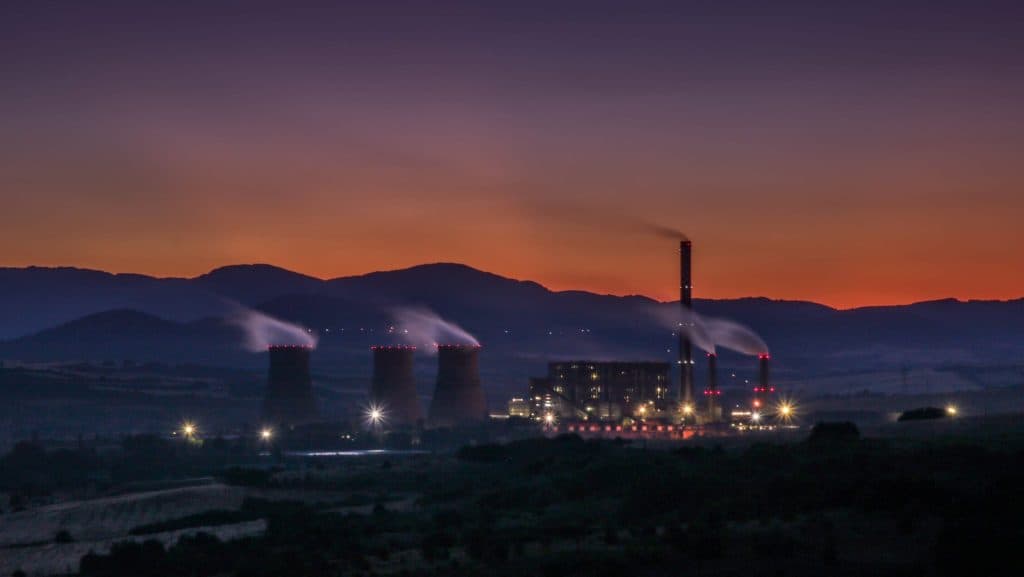
Based on the data available so far, electricity generation from hard coal in Germany is likely to reach a record low in August. Current market conditions, which are more favourable for gas-fired power plants, are weighing on hard-coal generation volumes.
Hard coal remains one of the main fuels used for electricity generation in Germany. This year, however, its position has weakened significantly, particularly under the weight of market conditions that are increasingly favourable for electricity generation from natural gas.
The main reason is above all the high price of emissions allowances. Hard-coal and lignite-fired power plants are among the most emissions-intensive sources, with their emissions, depending on plant efficiency, standing at around 0.95 tonnes of CO2/MWh. Given the current allowance price, which has ranged between 26 and 29 EUR/t CO2 in recent weeks, gas-fired power plants with half the emissions are moving to the forefront.
Natural gas is also being helped in its competition with coal by its currently lower price. German and other European storage facilities are currently around 90% full, and could be completely filled before the start of the heating season, which would put further pressure on gas prices. In addition, LNG imports to Europe remain relatively strong, also keeping natural gas prices low.
The advantageous position of electricity generation from natural gas is also evidenced by the margins of individual generators – when comparing margins for contracts to supply electricity in the following year, gas is already more profitable, by as much as 2 EUR/MWh.
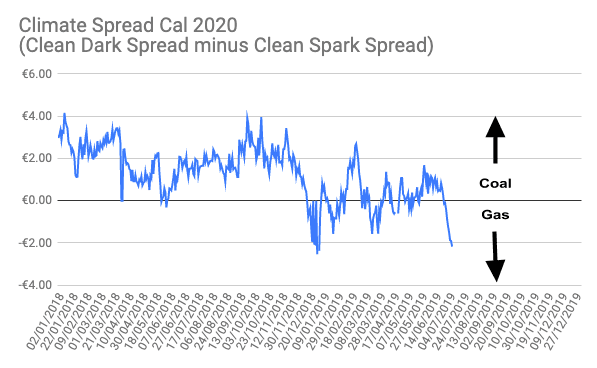
A similar situation can also be observed in the futures contract for 2021.
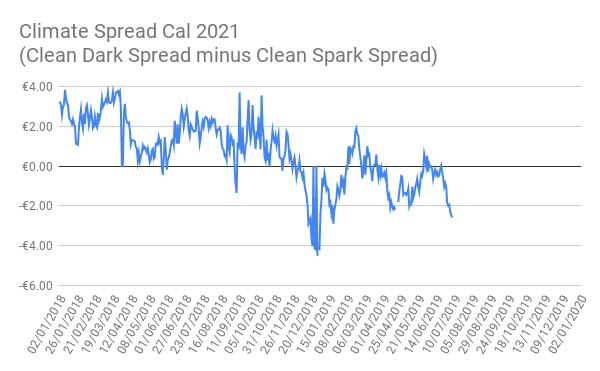
ICIS further expects, based on its forecasts, that the same trend will continue not only in August but at least through September.
The United Kingdom has, after all, gone through a similar path. Following the introduction of a carbon tax of £18 per tonne of CO2 emissions, the UK power sector changed significantly. A substantial share previously held by hard coal was taken over by gas generation, which now accounts for up to half of the country's electricity production. Hard coal has virtually disappeared from the mix, especially in the summer months.
Germany is therefore merely catching up with a trend that the United Kingdom went through several years earlier. However, it should be added that electricity prices in the United Kingdom are higher, partly thanks to the special carbon tax on top of the European EU ETS emissions trading system (particularly in 2016-2017), than on the German market, which benefits gas-fired power plants.
The change in generation can also be observed year on year in the Czech Republic – according to grid operation reports, electricity generation at combined-cycle gas power plants rose by 35% in the first quarter of this year and more than doubled year on year in the second quarter.
Translation disclaimer
This article is a machine translation of the Czech original and has not yet been fully reviewed. In case of any doubt, please refer to the Czech version.
Sdílejte článek prostřednictvím:
You might also like

16 October 2026, 10:16