
23 October 2026, 14:38
Loading...
Global coal consumption likely peaked, set to decline by 2030

Jan Budín
3 January 2026, 12:46
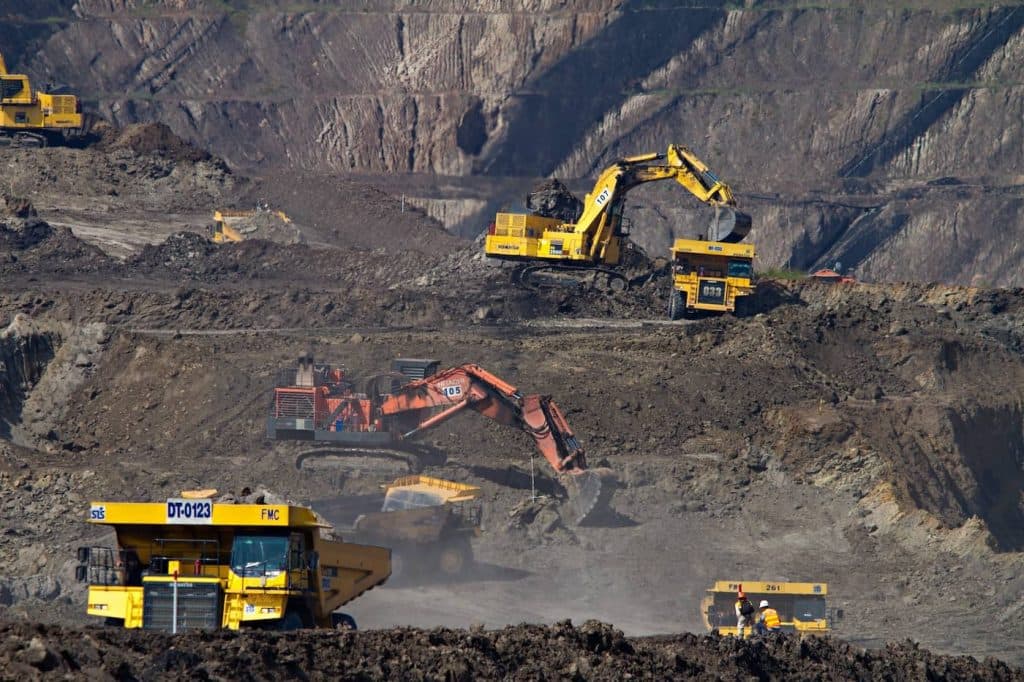
Global coal consumption rose by 0.5% year on year in 2025 to a record 8.85 billion tonnes and, according to the International Energy Agency (IEA), likely reached its peak. By 2030, it should gradually begin to decline as renewable energy, nuclear power and an incoming wave of new liquefied natural gas (LNG) export capacity expand.
In its annual report on the global coal market, the IEA said developments in several major markets last year diverged from the trend set in previous years.
In India, coal consumption declined for only the third time in the past 50 years due to an earlier and more intense monsoon season. A reversal also occurred in the United States, where coal consumption rose after 15 years as a result of higher natural gas prices and policy measures that slowed the closure of coal-fired power plants. In the European Union, the decline in coal consumption slowed after falling by double-digit rates in each of the previous two years.
China, traditionally the largest coal consumer, recorded coal consumption in 2025 similar to that in 2024. According to the IEA, rapid renewable energy deployment should lead China, too, to reach peak coal consumption by 2030.
"Despite unusual trends in several major markets in 2025, our outlook for the coming years remains the same as in the previous report: We expect global coal consumption to remain flat and then decline towards 2030," said Keisuke Sadamori, the IEA's Director of Energy Markets and Security.
The main uncertainty in the IEA's outlook is the situation in China, where coal consumption will depend primarily on economic growth, policy measures, market dynamics and weather.
"If China were to see higher-than-expected growth in electricity consumption, slower renewable energy deployment or higher investment in coal gasification, global demand could rise above our projections," the agency added.
The largest absolute increase in coal consumption by 2030 is expected in India, where consumption is projected to grow by 3% year on year, resulting in an increase in annual consumption of more than 200 million tonnes. The largest relative growth is expected in Southeast Asia, at 4% per year.
Translation disclaimer
This article is a machine translation of the Czech original and has not yet been fully reviewed. In case of any doubt, please refer to the Czech version.
Sdílejte článek prostřednictvím:
You might also like


23 October 2026, 11:01


23 October 2026, 06:34