Mining at Czechia’s Bílina lignite mine to end earlier, in 2033, after agreement between the Environment Ministry and ČEZ

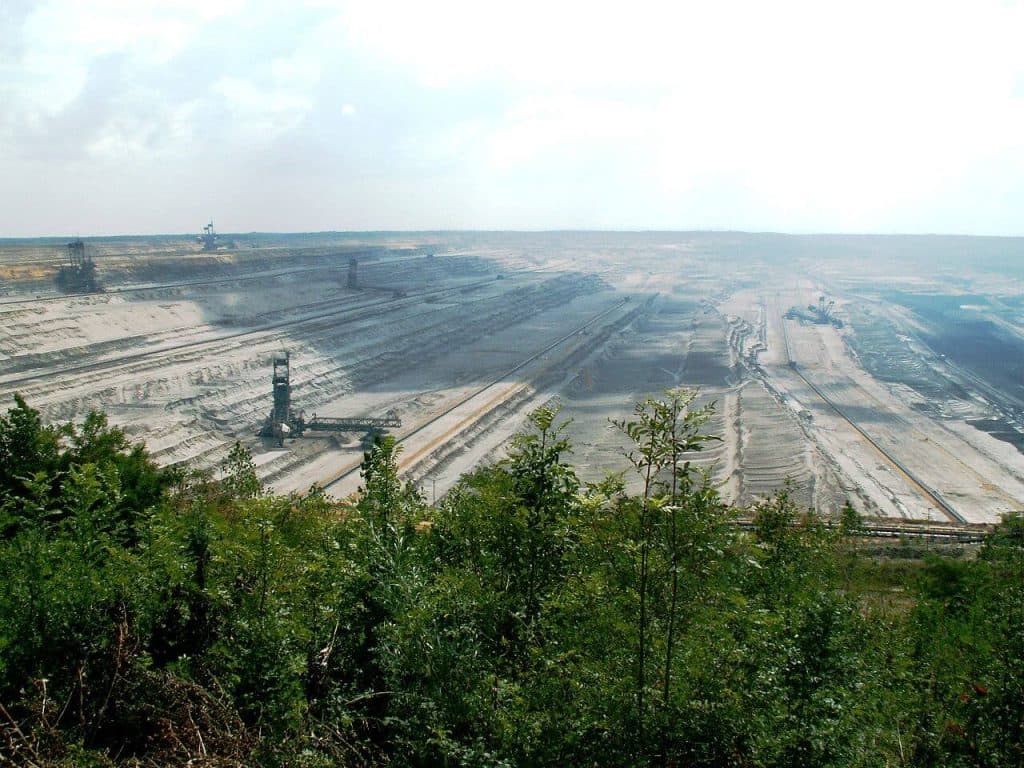
Mining at the Bílina lignite mine in northern Bohemia will end earlier, in 2033 instead of the originally planned 2035. This emerged from talks between the Ministry of the Environment and the state-owned ČEZ Group, Environment Minister Petr Hladík (KDU-ČSL) told reporters in Prague today. According to ČEZ CEO Daniel Beneš, this should also mark the end of coal-fired power generation in the Czech Republic. He expects it to be the last coal mine or open-pit mine to close.
Environmental groups have long called for mining at Bílina to end sooner. The demand was also raised in comments during the environmental impact assessment (EIA) process, in which the Ministry of the Environment issued a positive opinion in July 2019 on a proposal by Severočeské doly, a ČEZ subsidiary, to continue mining until 2035. Several appeals were filed against that decision.
The Czech Mining Authority asked the ministry to review the EIA decision, and the review found it to be substantively correct. Hladík has therefore held talks in recent months with representatives of the mining company and other stakeholders. The outcome is a decision to shorten mining by two years.
“Our goal was to find a solution that is legally sound while also fulfilling the commitment to phase out coal that we made as a government,” Hladík said.
He added that the decision is an important step towards transforming the Czech energy sector and also shows that even complicated situations can be resolved constructively.
The village closest to the mine is Mariánské Radčice. “We expected the deadline to be moved to 2033. It will mean less money for our budget, but, on the other hand, a better environment,” Mayor Jaroslav Sikora (independent) told the CTK news agency. The village has around 460 residents, and according to the mayor, no one works directly in the mines anymore. “There are businesses here that operate as suppliers. They’ll manage, so from an employment perspective, it won’t have a significant impact on us,” Sikora said. The village, with a budget of around 30 million crowns, receives several million crowns a year in payments for extracted minerals.
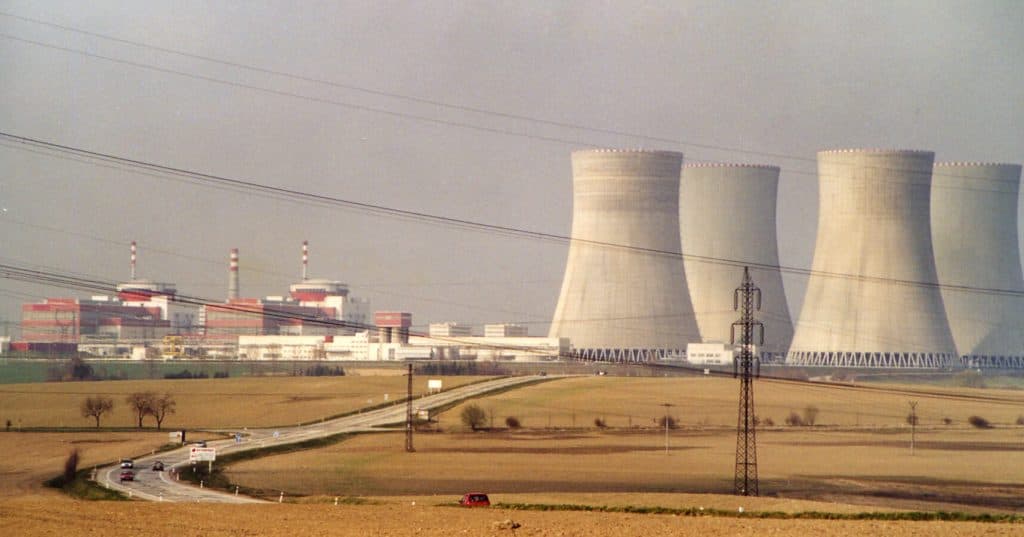
According to Beneš, coal-fired sources currently make up 40 percent of the Czech Republic’s energy mix, and their share will fall to the minimum necessary after 2030. “This decline will go hand in hand with the expansion of low-emission alternatives, particularly renewable sources and, during the transition, modern gas capacity, followed over the longer term by new nuclear units,” he said.
Environmental group Greenpeace, which appealed an earlier decision to extend mining, has welcomed the earlier end date. “We originally sought to prevent any extension of mining and have it end in 2030, but we still welcome the decision to shorten the extension by two years,” said Jaroslav Bican, head of Greenpeace Czech Republic’s energy campaign. He said the next step would be to start addressing a specific reclamation plan and the future of the area.
Miners are still extracting coal within the area covered by the original territorial environmental limits on mining at Bílina; the change to the limits in 2015 has not yet affected mining at the Bílina mine, Severočeské doly spokesperson Lukáš Kopecký told the CTK news agency. An estimated 31 million tonnes of lignite remain within the area covered by the current mining permit. The estimated reserves in the area of approximately 5.5 square kilometres beyond the original territorial environmental limit amount to 120 million tonnes of lignite. The Bílina mine employed 1,347 people at the end of last year.
Translation disclaimer
This article is a machine translation of the Czech original and has not yet been fully reviewed. In case of any doubt, please refer to the Czech version.