
23 October 2026, 14:38
Loading...
Romania delays its coal phase-out

Jakub Malý
31 July 2024, 10:53
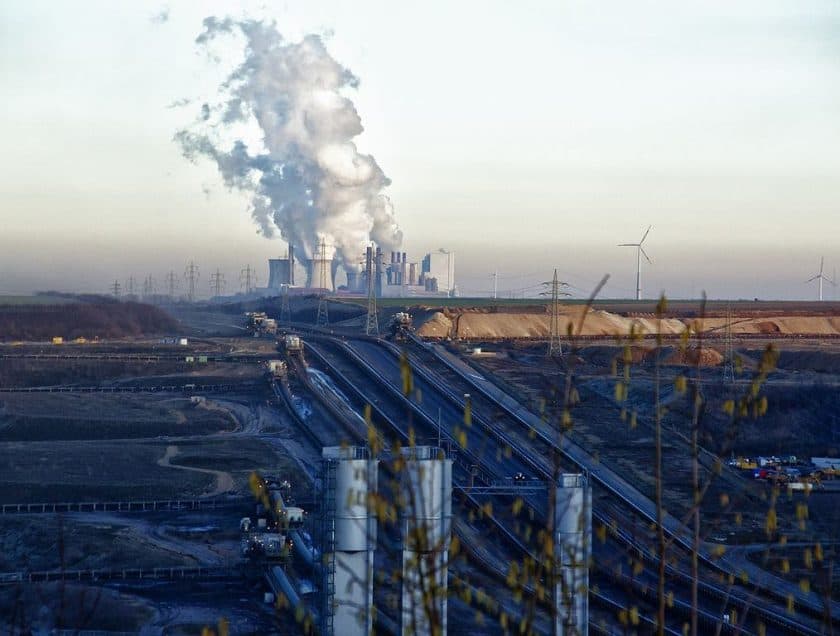
The Romanian government has decided to extend the deadline for phasing out coal by another two years. Coal-fired power generation is currently helping the country meet increased electricity demand.
Under the original plan, mines and coal-related activities were to end by 31 December 2030. They will now continue until the end of 2032. However, changing the phase-out date does not mean that all existing mines in Romania will remain open until the new deadline.
Several coal-fired power producers will therefore close ahead of schedule. CET Govora and Hunedoara Energy Complex will shut down by December 2025 and December 2030, respectively, due to rising operating costs. Oltenia Energy Complex and CET Craiova II will continue operating until 2030 following investments that will enable them to burn natural gas and use greener energy sources.
Representatives of the ruling Social Democratic Party (PSD) said that no electricity source, including the mines linked to it, would be shut down until suitable replacements had been built. Romania plans to build two more nuclear units at the Cernavoda site, with the construction contract with an Italian-Canadian-American consortium of four companies expected to be signed in October. Romania also wants to connect 3.5 GW of natural gas-fired power plants to the grid over the next 3 years and reach 10 GW of installed capacity in solar and wind power plants.
Increased electricity consumption met by coal-fired generation
Romania has faced increased electricity consumption in recent weeks due to high temperatures. To stabilise the grid , coal-fired power plants dating back to the 1950s were restarted last week, Romanian Energy Minister Sebastian Burduja said. He added that it had been necessary to find any available capacity in Romania, as the Romanian state had unfortunately failed to invest in the energy system for decades.
Lignite-fired power plants supplied around 1200 MW to the grid, meeting 19 % of electricity consumption. During peak periods, coal-fired plants reached more than 1300 MW. The situation stabilised as temperatures fell, and during the last week of July, supply from lignite-fired power plants ranged between 700 - 800 MW.
Burduja said that if there were problems securing electricity supplies, other coal-fired power plants could also be brought online. In the Craiova area, however, there is a shortage of skilled staff: the facility is short of control-room operators, many of whom have retired as coal use has been phased down.
In April, Burduja said: “The Romanian government is working on a regulatory act to introduce a capacity reserve, a mechanism that would pay for the availability of certain electricity sources on the grid”. A similar version of a capacity mechanism for coal can also be found in the new LEX OZE III. Romania, like the Czech Republic, is one of the countries without capacity mechanisms. The question, of course, is how such a legislative act can be notified to the European Commission.”
Translation disclaimer
This article is a machine translation of the Czech original and has not yet been fully reviewed. In case of any doubt, please refer to the Czech version.
Sdílejte článek prostřednictvím:
You might also like


23 October 2026, 11:01


23 October 2026, 06:34