9 October 2026, 06:22
Loading...
Electricity was free on wholesale markets over the holidays, thanks to wind and low demand
Ekonews.cz
2 January 2024, 13:12
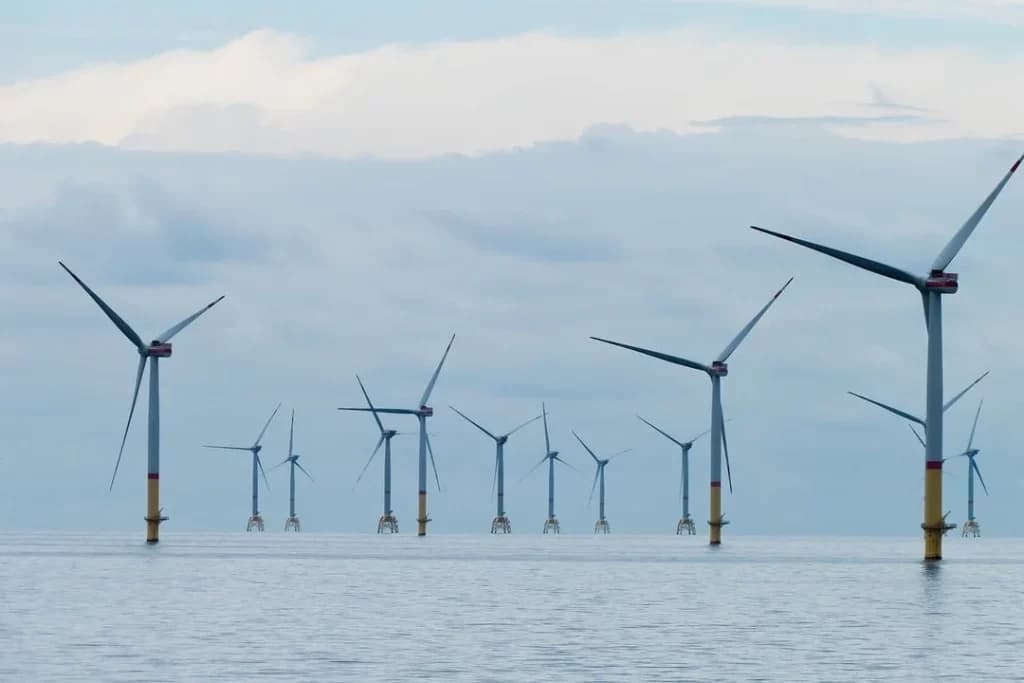
Operating wind farms on the coasts of the Baltic and North Seas, combined with low electricity consumption, drove wholesale electricity prices down to zero over the holidays, and sometimes even below it.
On Christmas Eve, the wholesale electricity price in Germany fell to -3.37 euros per megawatt-hour; a day later, it hovered around zero on Europe’s largest market. It remained there until 7 a.m. on the first working day, 27 December, according to data from Epex Spot, part of the EEX energy exchange.
During peak periods between 8 a.m. and 10 a.m. and from 3 p.m. to 7 p.m., electricity in Germany traded at between 20 and 40 euros per megawatt-hour. Similar developments were seen on other European markets where wind makes up a significant share of the energy mix. Buyers in the Benelux countries, Denmark, France and Britain paid zero prices, and in some hours negative prices, over the holidays, according to Epex Spot data.
The spot electricity price also fell below zero over the holidays in Czechia, which is very closely linked to the German market and energy price developments. Buyers paid the lowest price on Christmas Eve at 5 p.m., when the price of wholesale electricity for immediate delivery fell to -17.09 euros per megawatt-hour, according to data from Czech market operator OTE. Only on the first working day did electricity prices remain positive for most of the day, at between 40 and 80 euros.
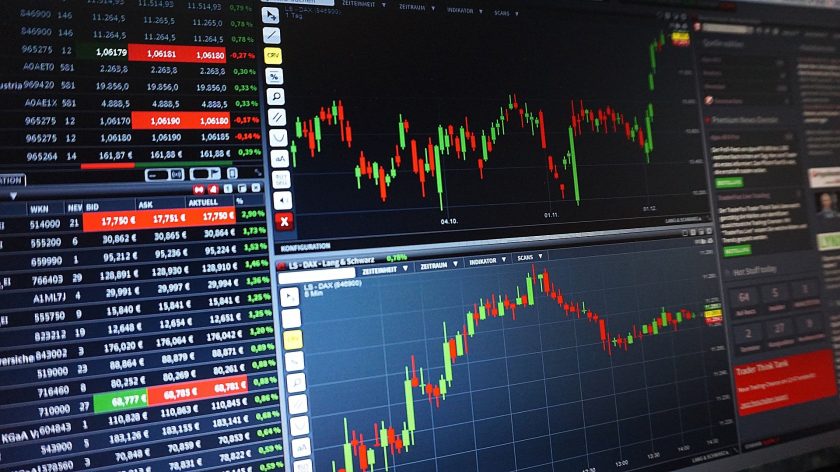
The occurrence of zero and, on some days, negative electricity prices is ceasing to be an exception in Europe as more renewable energy sources are connected to the grids. Their output depends on weather conditions, leading on some days and weeks to dramatic fluctuations in the volume of electricity supplied and therefore in prices. Electricity demand does not change as quickly; in the short term, consumption is highly rigid and price-inelastic.
This mismatch between instantaneous renewable generation and relatively stable consumption should only be balanced out with the advent of smart grids and the expansion of battery storage, including the integration of large numbers of electric vehicles. Until then, negative prices, when it pays generators and traders to pay customers to take electricity, will remain a reality in Europe.
This year’s extreme occurred on 2 July, when spot electricity prices in Germany, the Netherlands and Hungary fell as low as minus 500 euros per megawatt-hour due to low demand and high output from solar power plants. For the same reasons, zero or negative electricity prices are most common during the summer in the hours around noon and on Sundays, according to Synertics.
Reproduced from EkoNews.cz, a website about business and sustainability.
Translation disclaimer
This article is a machine translation of the Czech original and has not yet been fully reviewed. In case of any doubt, please refer to the Czech version.
Sdílejte článek prostřednictvím:
You might also like


8 October 2026, 10:05