
25 October 2026, 08:20
Loading...
EU emissions allowances break 46 EUR/t, some analysts still see prices several times higher

Martin Voříšek
22 April 2021, 10:21
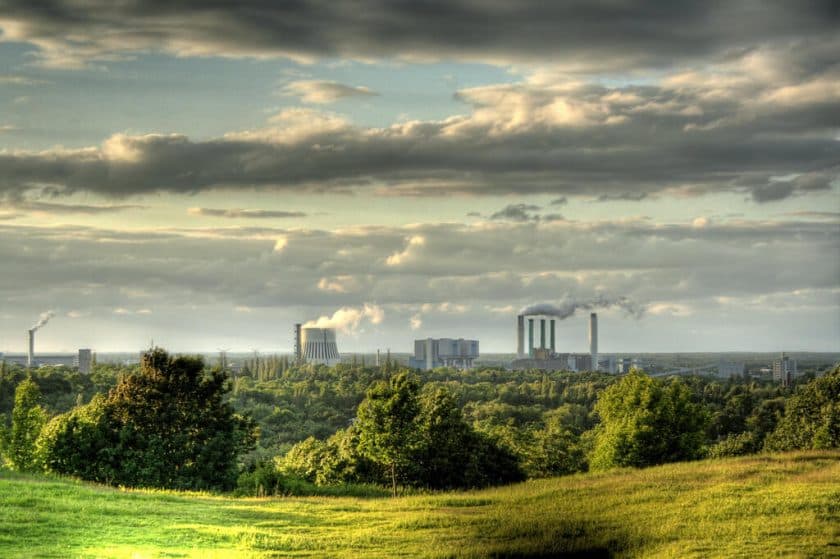
The price of emissions allowances exceeded 46 EUR for the first time, trading at around 46.30 EUR/t as of 9 a.m. Strong demand and now technical analysis signals in the market are behind their rise, montelnews.com reported.
Emissions allowances have seen an unprecedented price surge this year, and there is no sign yet that their price has peaked. While at the start of the year emissions allowances traded on the London-based ICE exchange at 32 EUR/t, this morning they were already above 46 EUR/t. Almost exactly six months ago, it was possible to buy an emissions allowance for half of today’s price: on 28 October last year, it traded at 23.03 EUR/t.
"There were not many traders selling emissions allowances at prices above 45 EUR/t. If someone wants to buy a larger volume of allowances, they inevitably have to offer a higher price," said one London broker.
In addition to the absence of sellers, the price was also affected by an agreement between the European Parliament, the European Commission and member states to cut EU emissions by 55% by 2030. Another factor was an initiative by Northlander Investments to establish a fund with capital of 100 million dollars intended for investment in emissions allowances.
Some traders believe the latest rise in emissions allowances may have been caused by some traders holding so-called short positions, in which they speculate on a decline in the price of a particular asset — in this case, an emissions allowance. When unwinding such a trade, the trader is forced to buy the asset back to close their position, further pushing up the asset’s price.
Polish Minister for Climate Policy Michal Kurtyka has also recently complained about the disproportionately high price. In connection with high allowance prices, he criticised the role of financial speculators who are driving allowance prices higher. Poland’s response is understandable in this respect, as its power sector is predominantly dependent on coal, making any price increase problematic.
According to some analysts, emissions allowances may be far from peaking at current levels. They now realistically reflect the European Union’s current policy, which aims to significantly reduce its CO2 emissions in the coming years. This is why, for example, Lawson Steele sees the allowance price rising above 100 EUR/t.
Check out my latest article: Carbon to €110: the how and when https://t.co/Gbg16IWwBC via @LinkedIn#octt#euets@RaoulGMI
— Lawson Steele (@LawsonSteele3) March 11, 2021
Translation disclaimer
This article is a machine translation of the Czech original and has not yet been fully reviewed. In case of any doubt, please refer to the Czech version.
Sdílejte článek prostřednictvím:
You might also like

23 October 2026, 14:38