4 October 2026, 21:07
Loading...
European gas prices continue to rise amid Middle East war

oEnergetice.cz, ČTK
23 March 2026, 11:50
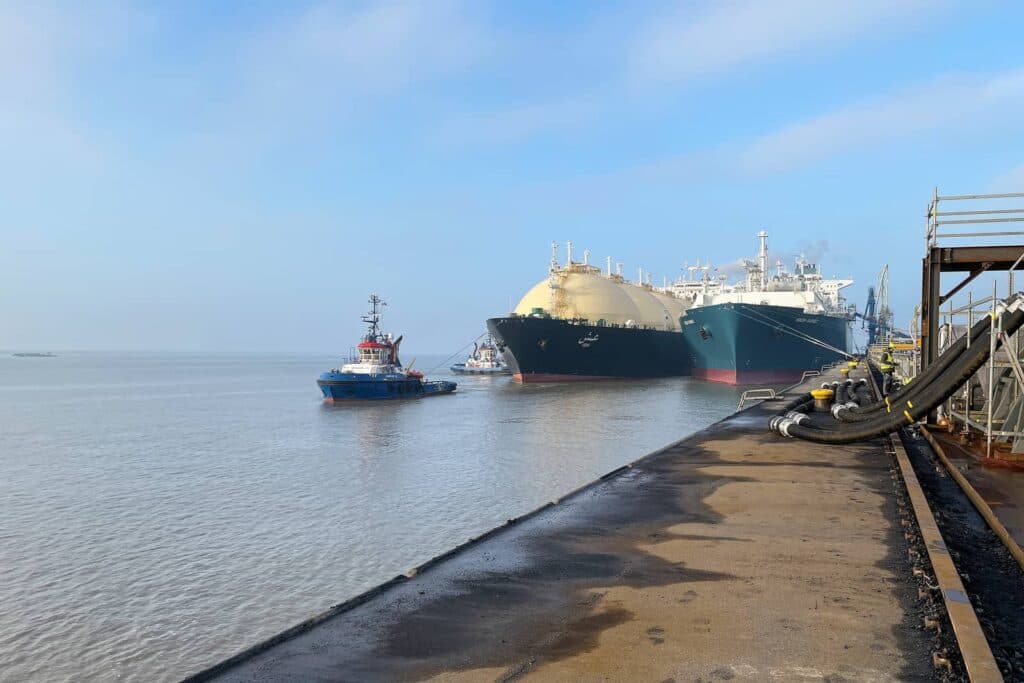
The wholesale price of natural gas for the European market continues to rise, and trading is volatile. The war in the Middle East is increasing the risk of attacks on energy infrastructure, while the reopening of the Strait of Hormuz is still nowhere in sight, Reuters reported. At around 11:20 CET, the price of the key futures contract for delivery next month at the Title Transfer Facility (TTF), a virtual trading hub in the Netherlands, was up 5.4 percent at 62.50 euros (1533 Kč) per megawatt-hour (MWh).
Gas prices continue to rise amid US threats against Iran, new Israeli attacks and growing concerns about the long-term impact on global supplies, analysts at Mind Energy said. On Saturday, US President Donald Trump threatened to destroy Iranian power plants unless Iran fully reopened the Strait of Hormuz within 48 hours. Iran responded by warning that it could destroy key infrastructure and energy facilities in the Middle East.
An attack on Qatar’s Ras Laffan energy complex last week damaged two liquefied natural gas (LNG) production facilities, which QatarEnergy’s CEO said would mean a loss of 17 percent of Qatar’s LNG capacity for up to five years. Contracts for delivery next year have risen much more sharply than those for the nearest month as a result, Daniel Hynes, chief commodity market analyst at ANZ, noted.

Gas stove. Source: Unsplash
In response, Rabobank analysts raised their TTF gas price forecast to account for a longer closure of the Strait of Hormuz and several years of restricted LNG shipments from Qatar following the attacks on the Ras Laffan terminal. They now expect prices of 50 euros per MWh this year and 42 euros per MWh next year. According to ICE exchange data, all TTF contracts through February 2027 are currently trading above 60 euros per MWh, twice their level before the Middle East conflict began on 28 February.
"We also see a risk of further attacks on energy infrastructure in the Persian Gulf, which would cause lasting supply disruptions and pose a significant upside risk to our natural gas and oil price forecasts," the Rabobank report said.
The bank’s analysts also said that their forecast puts this year’s LNG supply at the same level as last year, at 443 million tonnes, because increased supplies from the US can no longer offset losses in the Middle East and North Africa.
Translation disclaimer
This article is a machine translation of the Czech original and has not yet been fully reviewed. In case of any doubt, please refer to the Czech version.
Sdílejte článek prostřednictvím:
You might also like

3 October 2026, 13:01
3 October 2026, 07:43
2 October 2026, 21:55