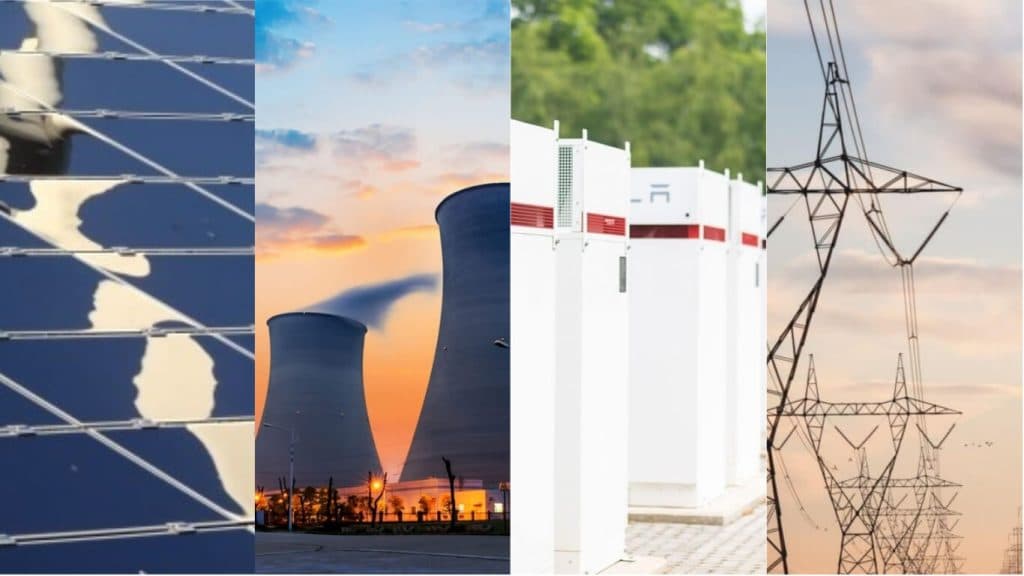
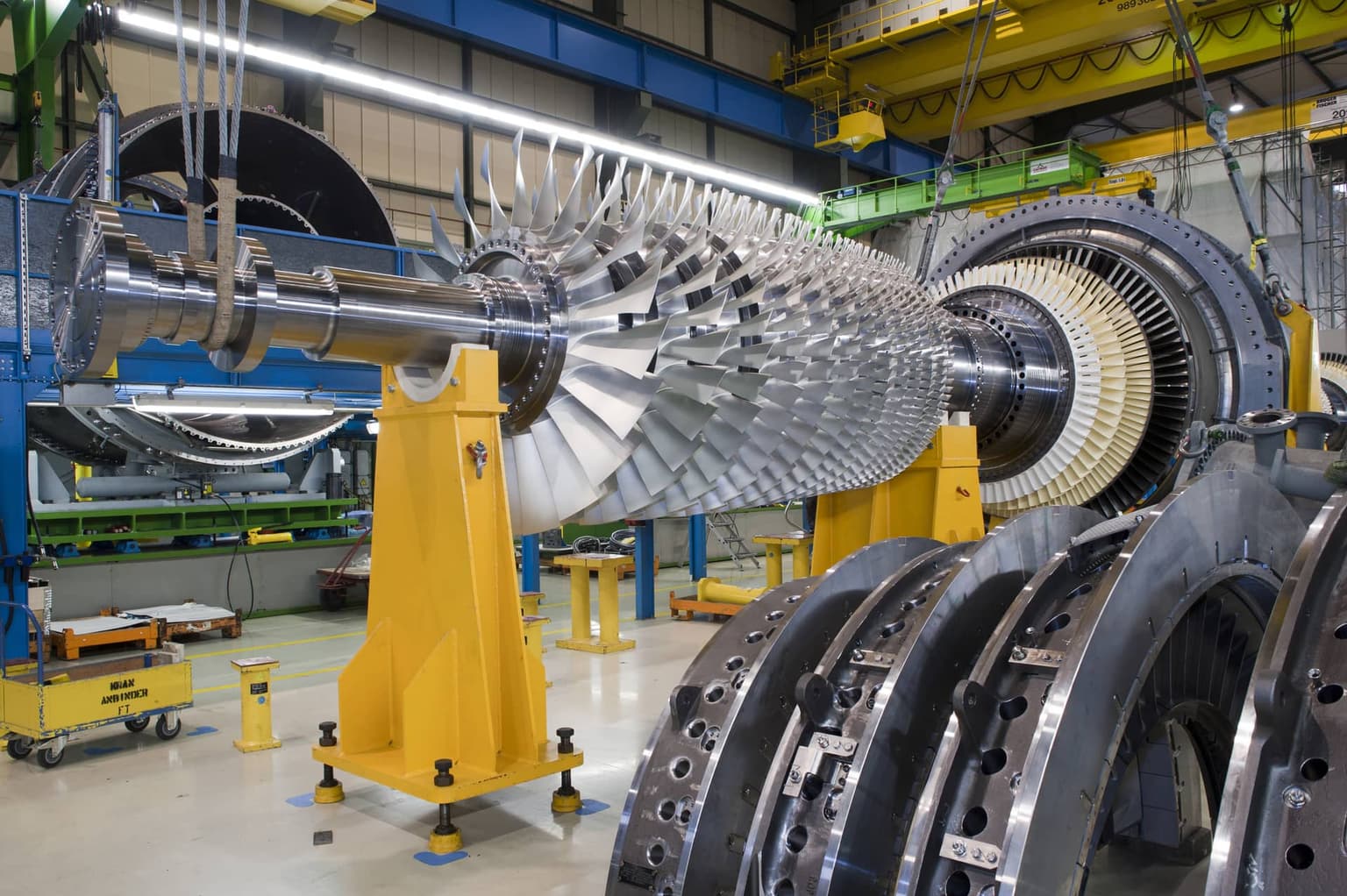
Czechia has no replacement for its aging coal-fired power plants and is running out of time. The state had planned to auction new capacity this year, but postponed the auction until early next year. The aim is to enable the construction of large gas-fired power plants. Combined heat and power units and diesel generators running on synthetic diesel will also take part in the tender.
When an analysis published last December warned that Czechia could face electricity shortages in the coming years, it sparked anxiety, emotional reactions and talk of an energy catastrophe. But for the country, it was positive news.
Read the full article HERE.
3. China begins preparatory work on construction of upgraded Hualong One 2.0 reactor
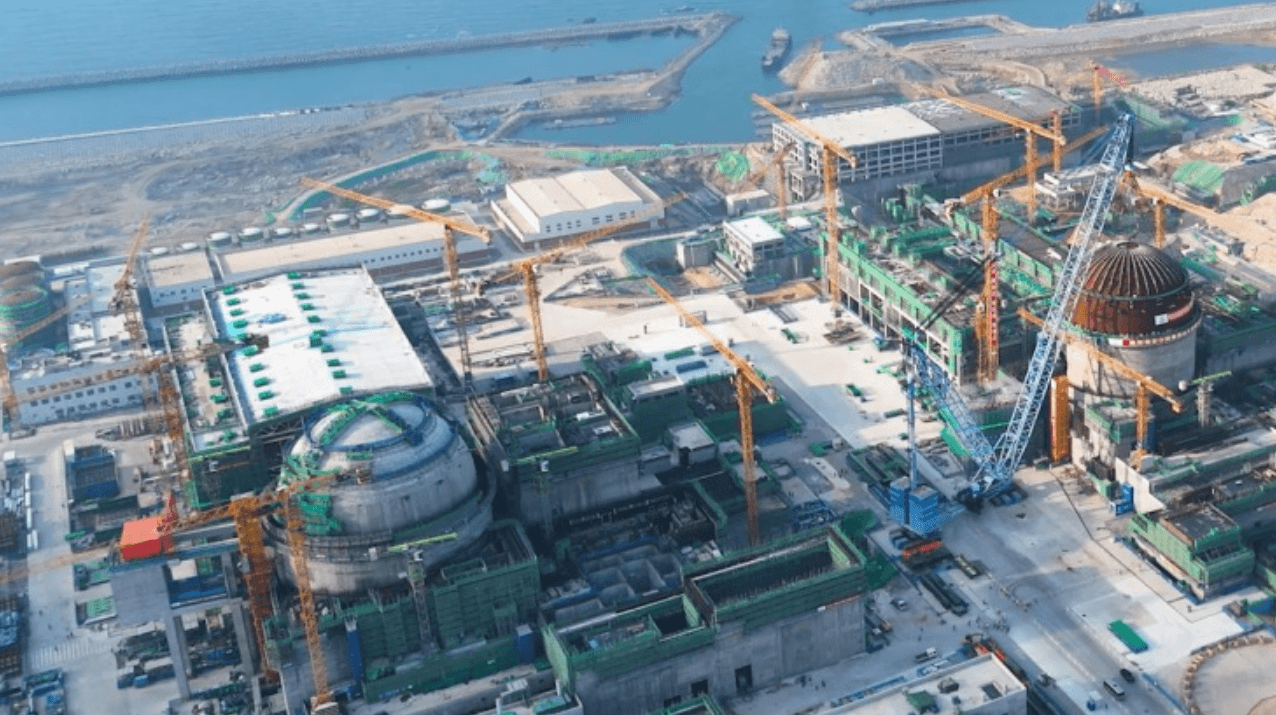
Chinese energy company CNNC (China National Nuclear Corporation) announced that it had begun preparatory work on the first demonstration unit of the Hualong One 2.0 type. The two new units, based on the Hualong One reactor design, will be built at the Jinqimen nuclear power plant as its second phase. Each unit will have an installed capacity of 1200 MW (gross), and construction will take up to five years once formally launched.
Read the full article HERE.
4. Electricity was at its most expensive since 2022 in September. Czech coal-fired power plants sharply increased output
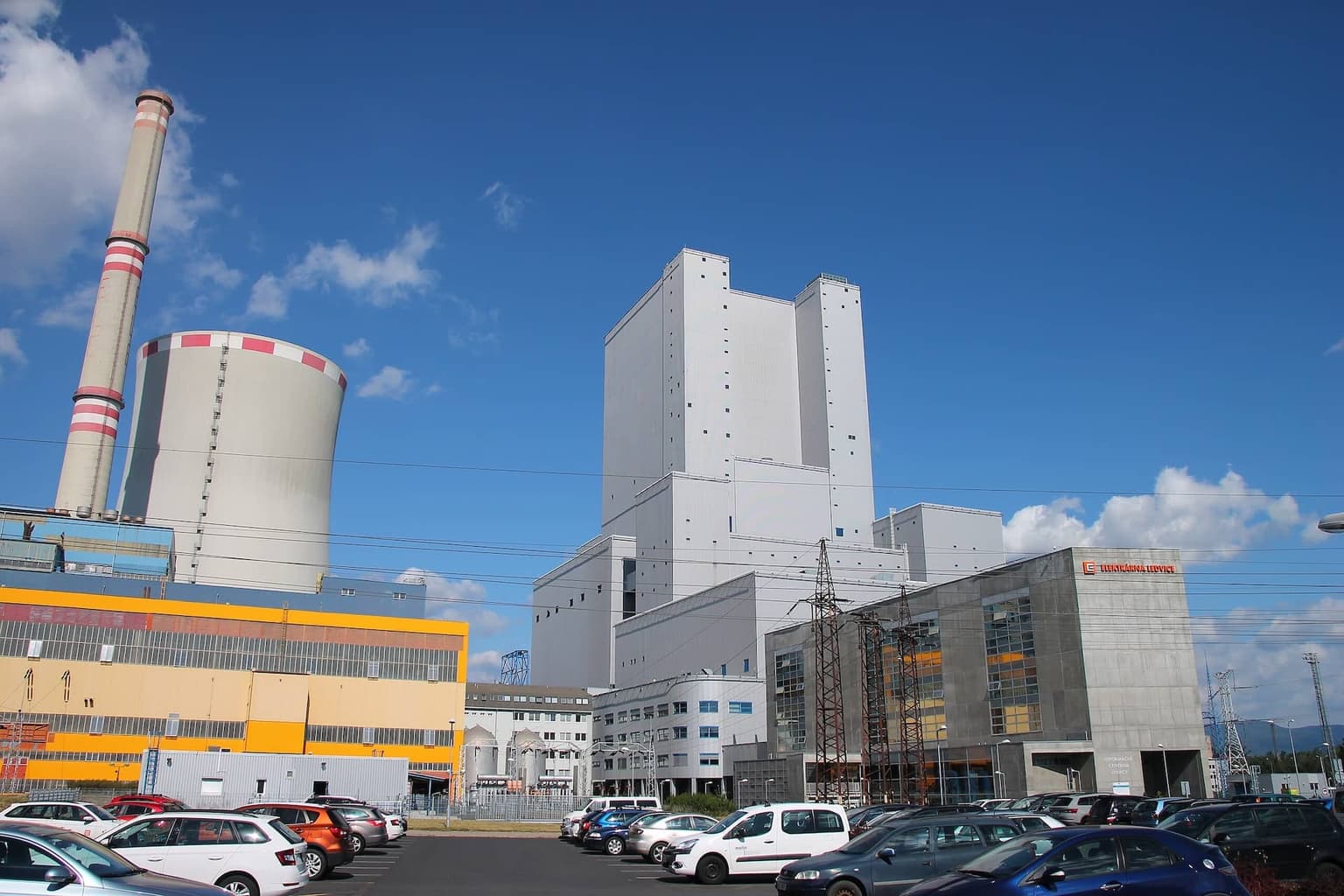
Czech electricity generation rose by more than 1 TWh year on year in September, even though consumption was virtually unchanged. Output from coal-fired power plants increased the most, benefiting from higher margins driven by high market electricity prices. These were supported by a sharp rise in gas prices, while European gas storage facilities are entering autumn with significantly lower fill levels than in previous years.
Czech power plants generated approximately 6.22 TWh of electricity in September 2026, compared with around 5.11 TWh a year earlier. The year-on-year increase therefore exceeded 1.1 TWh.
Read the full article HERE.
5. Germany unveils plan to transition away from fossil fuels, reaffirms climate neutrality target for 2045
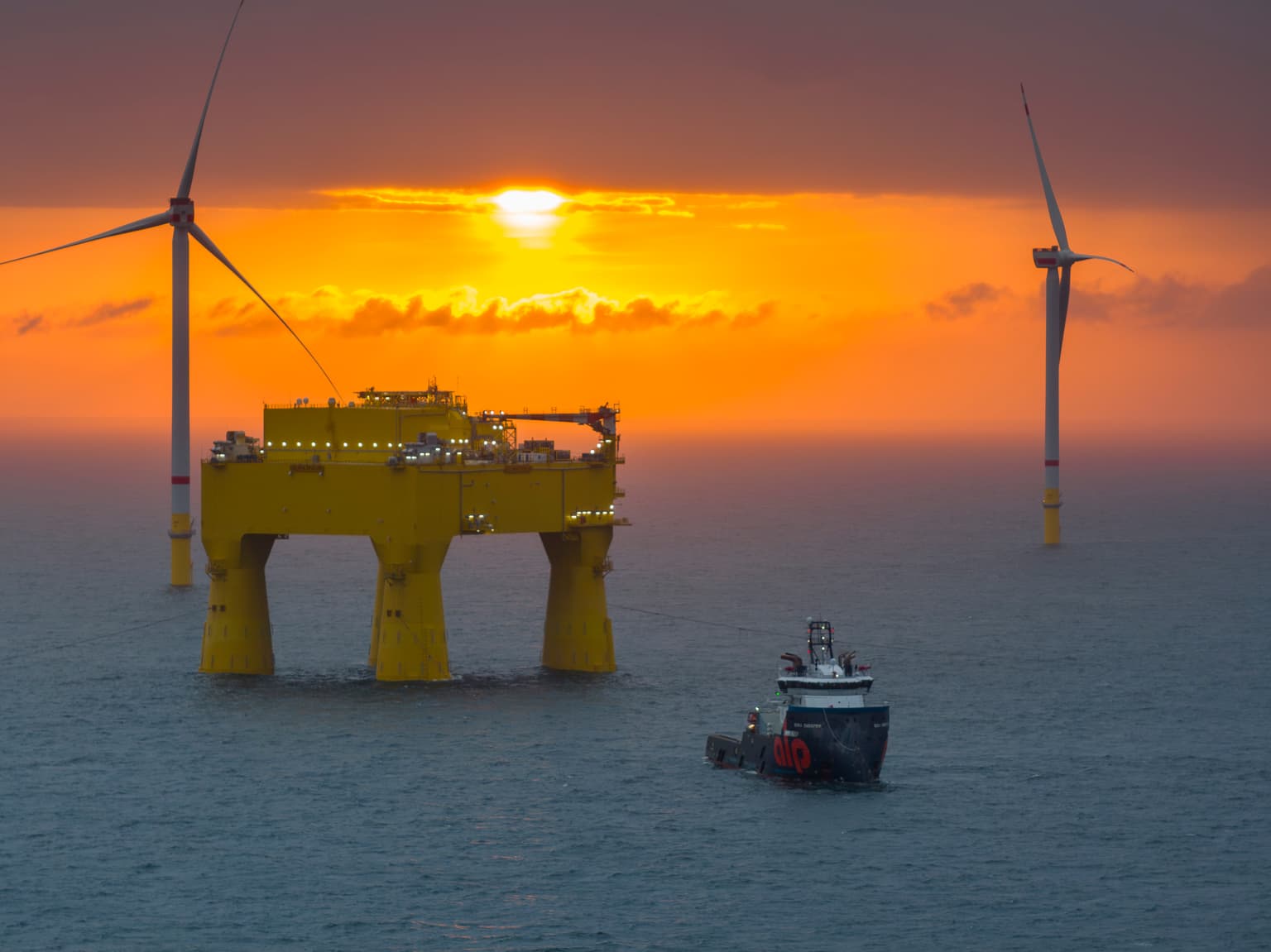
Germany has become only the third country, after France and the Netherlands, to publish its own national roadmap for phasing out fossil fuels. The German government presented the document to the cabinet, and Environment Minister Carsten Schneider subsequently presented it at the UN General Assembly in New York.
Read the full article HERE.
6. LNG Canada to double capacity. Where will LNG from the second phase go?
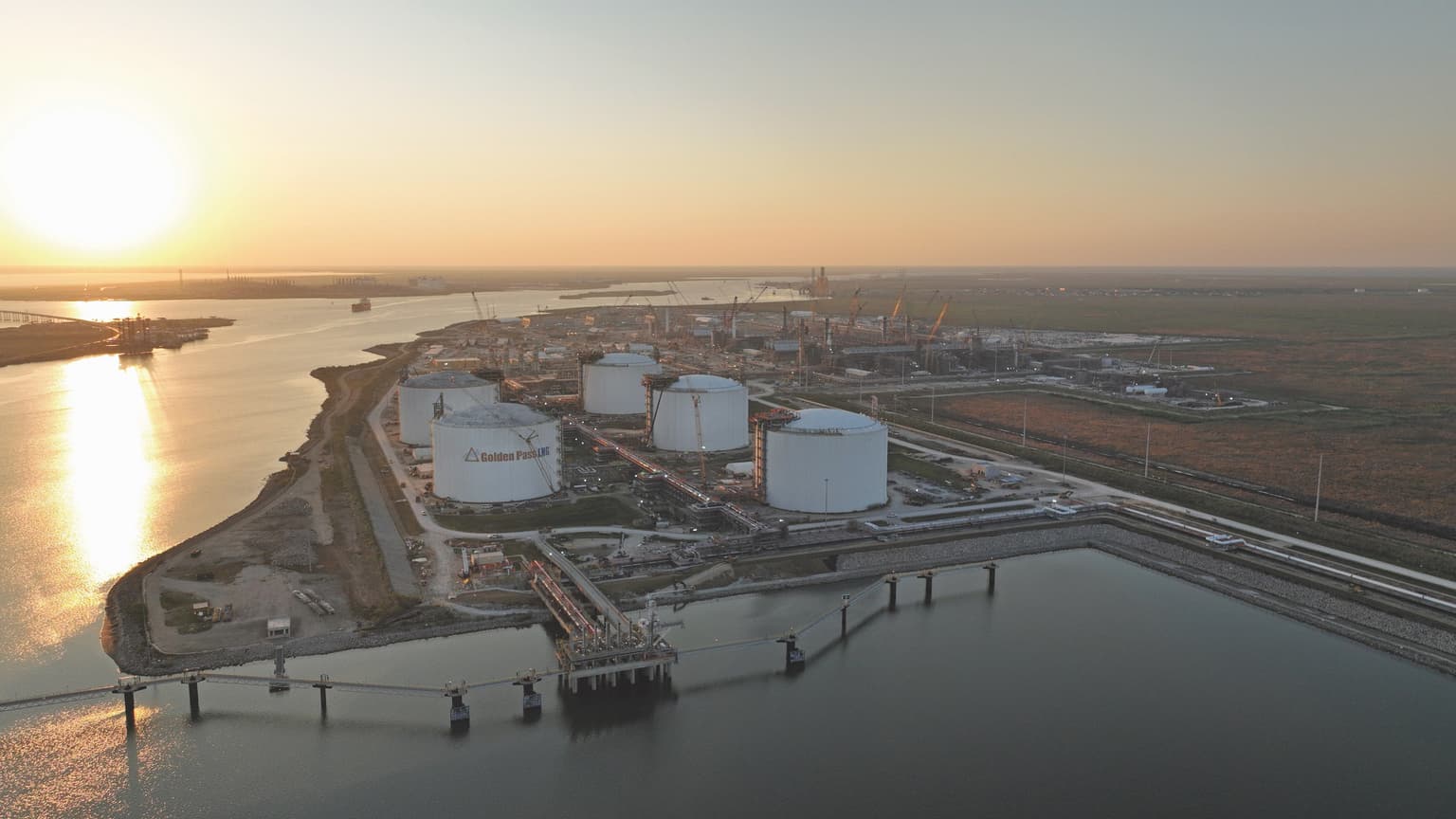
The project’s second phase includes two liquefaction trains, an LNG tank, a condensate tank, a loading berth, and expanded processing and auxiliary systems. Commercial operations are expected to begin in the early 2030s. Gas will be supplied to the terminal by an expanded Coastal GasLink system, whose capacity will be supported by five new compressor stations. TC Energy, the pipeline’s owner, announced that it would continue expanding its infrastructure following approval of the investment in LNG Canada.
Read the full article HERE.
7. Germany wants to extend support for cogeneration through 2035 and make power plants more flexible
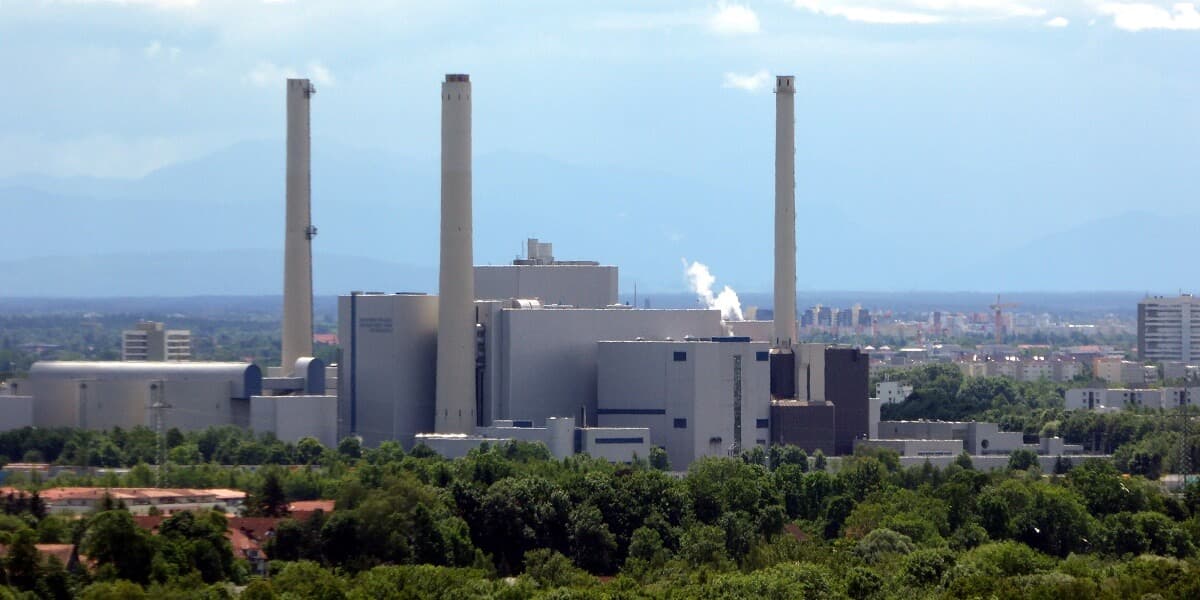
Germany’s Federal Ministry for Economic Affairs and Energy (BMWE) published key points of a planned amendment to the law on support for combined heat and power (KWKG). The current support scheme is to be extended significantly, allowing new CHP units, heat networks and storage facilities commissioned by the end of 2035 to receive support. The ministry is also planning a shorter support period so that financial support is concentrated into a shorter timeframe.
Read the full article HERE.
8. Australian coal mines get the green light to operate until 2045, but still need federal approval
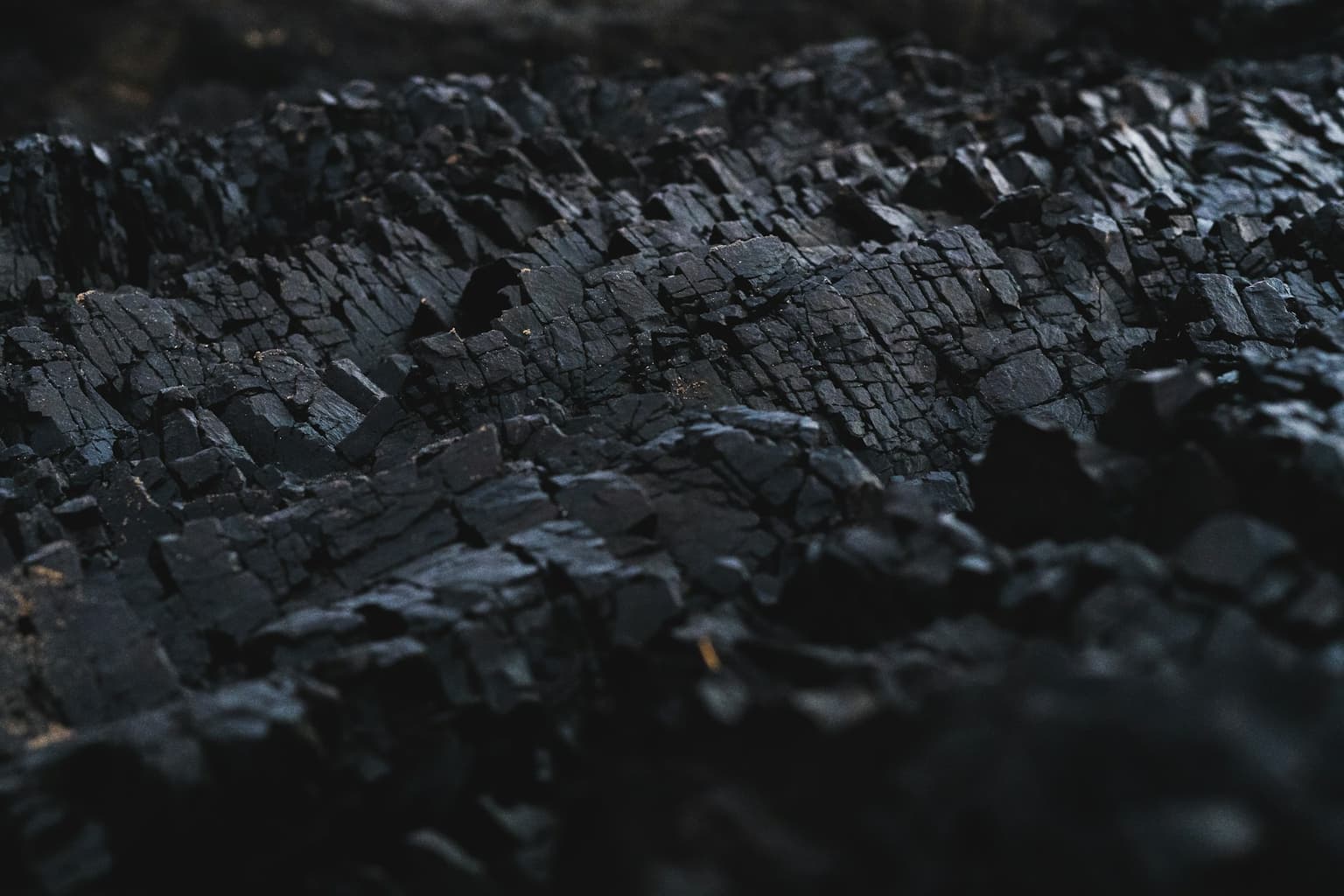
On September 30, the Independent Planning Commission of New South Wales approved continued mining at the HVO North and HVO South mines near Singleton. Under the amended proposal, mining at the northern mine is to continue until the end of 2045, and at the southern mine until the end of 2042. It is the largest coal project the commission has assessed to date.
Read the full article HERE.
9. Decline in renewable energy investment halts, but new capacity is still set to fall for the first time in over 10 years
Behind the stagnation in total investment lies a shift in its composition. Standalone large-scale solar and onshore wind projects, which typically account for around two-thirds of annual investment, together represented less than half of investment in the first half of this year. The standalone large-scale solar segment weakened particularly sharply, falling 20 % year on year to 75.4 billion dollars, its lowest level since the solar boom began in 2021.
Read the full article HERE.
10. Uniper sale attracts industry giants, giving Křetínský a strong rival
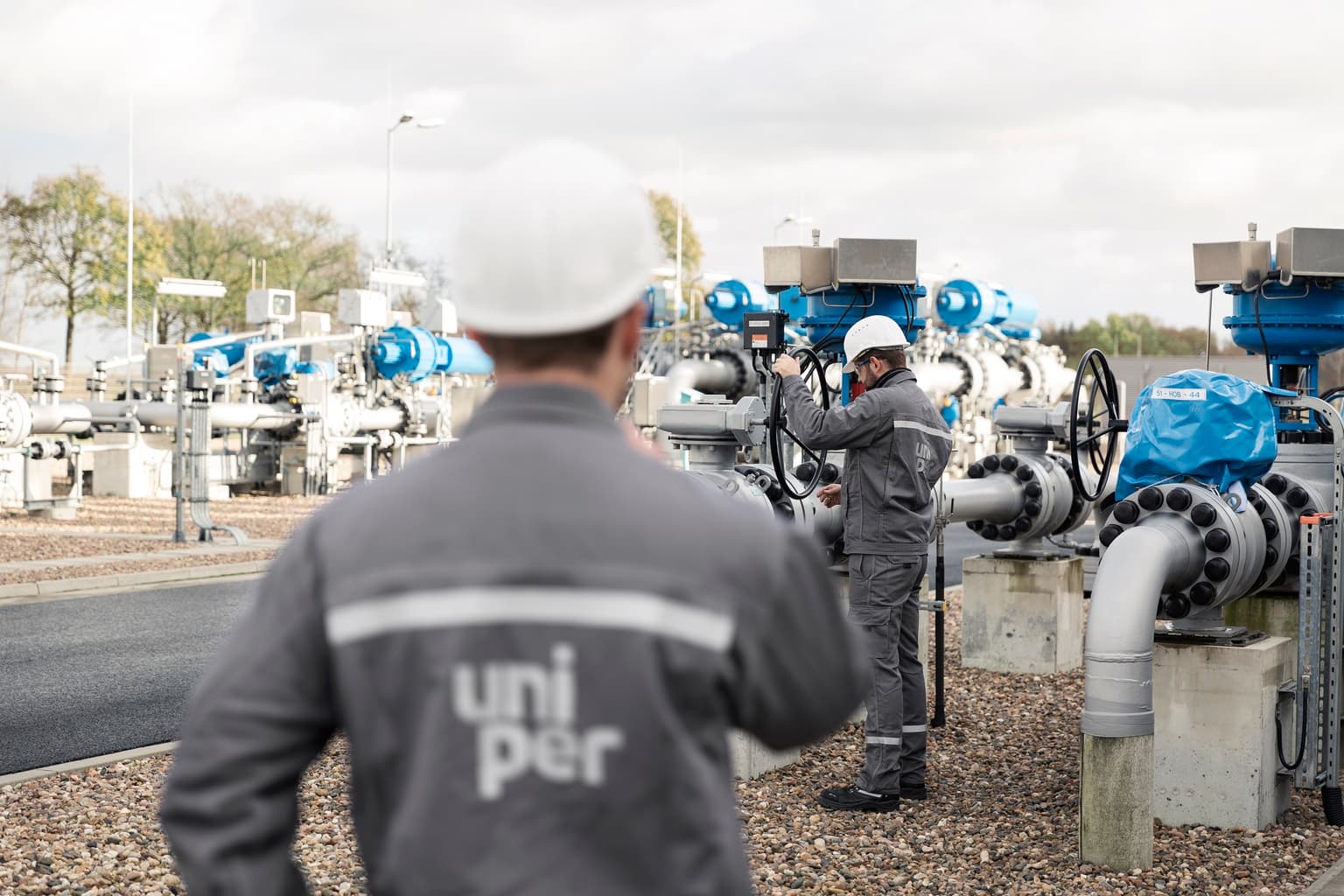
Berlin launched the sale process in May, and interested parties had until June 12 to indicate on a non-binding basis whether they were interested in a stake in Uniper. The German government has put up for sale as much as 74.12 % of the shares and plans to retain a blocking stake after the sale—that is, at least 25 % plus one share.
Read the full article HERE.