23 October 2026, 06:34
Loading...
European gas prices rise amid weather concerns and end of transit via Ukraine

oEnergetice.cz, ČTK
27 December 2024, 17:36
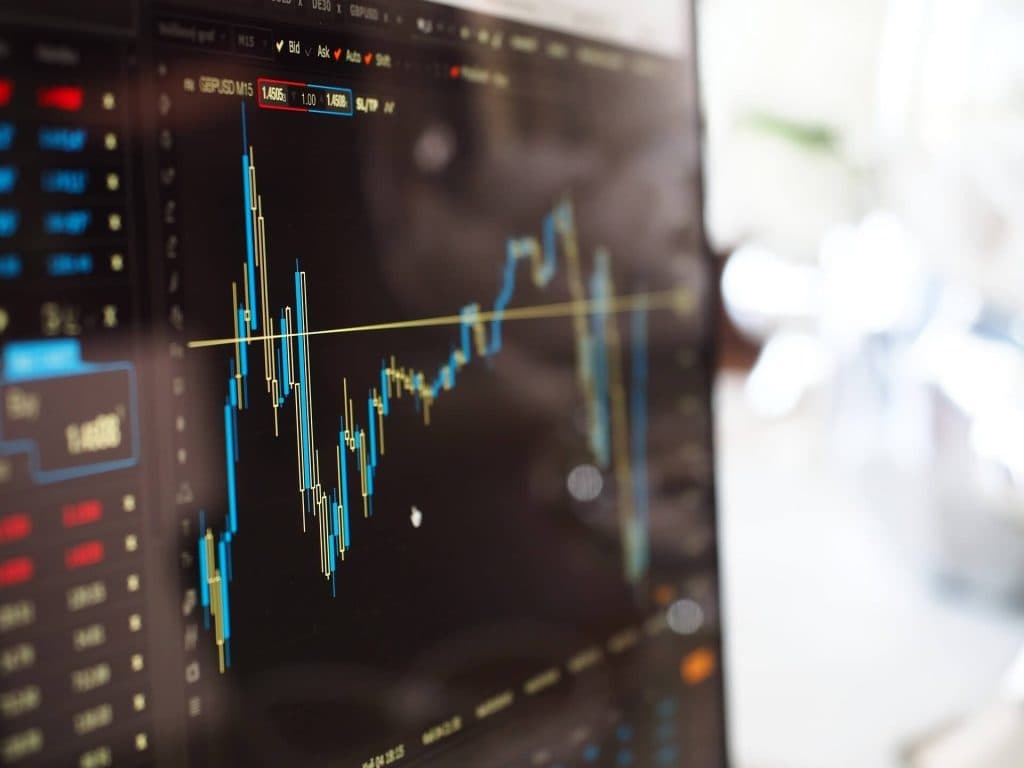
Wholesale gas prices for the European market are rising, having gained more than five percent this morning. The main reasons are a forecast of cold weather at the start of January and fading hopes of a new deal on the transit of Russian gas through Ukraine. Russian President Vladimir Putin said on Thursday that it would not be possible to agree on a new contract by the end of the year, when the current one expires.
Before 14:00 CET, gas for the European market with delivery in January was trading at around 47.40 euros (1200 Kč) per megawatt-hour (MWh) at the Title Transfer Facility (TTF), a virtual trading hub in the Netherlands. This represented a 3.7 percent increase from the previous day. Prices rose above 48 euros this morning. TTF prices are a benchmark for prices in Europe.
LSEG meteorologist Georg Müller told Reuters that the weather during the first ten days of January will almost certainly be rather cold. Demand for gas used for heating usually rises when temperatures are low.
The contract for the transit of Russian gas through Ukraine expires at the end of the year. Several European countries still use gas supplied via this route. In recent days, Russia's Gazprom has been sending more than 41 million cubic metres of gas per day to Europe through Ukraine. That represents around five percent of European demand. The loss of these volumes would force countries to rely more on gas supplied from Norway or on liquefied natural gas (LNG) from the United States.
Central European countries that still buy Russian natural gas have proposed an alternative way to maintain supplies through Ukraine. Ukrainian President Volodymyr Zelenskyy, however, has rejected any deal that would send money to Russian state coffers. Heorhii Tykhyi, a spokesperson for Ukraine's foreign ministry, said today that, under the current circumstances, no Russian gas will transit from 1 January. Talks are continuing, however, and a last-minute deal cannot be ruled out, particularly given the history of last-minute agreements during previous gas disputes, Bloomberg reported.
Tykhyi said that if Ukraine receives any proposals from the European Commission (EC) to continue transit, it is ready to consider them and guarantee energy security for the region. He said some consultations in various formats are still taking place, but not with Russia.
On Thursday, Putin acknowledged that the various proposals on the table, such as allowing Hungary, Slovakia, Turkey or Azerbaijan to take control of the gas transported through Ukraine, would be difficult to implement because Gazprom has long-term contracts that are difficult to amend. He also said another obstacle to reaching a deal was a lawsuit by Ukraine's Naftogaz, which claims that Gazprom has not fully paid it for transit services. According to Putin, the lawsuit must be withdrawn for a new transit deal to be reached.
Traders are also closely monitoring gas stocks in the EU. According to data from Gas Infrastructure Europe, European gas storage facilities were 74.7 percent full on the morning of 26 December. That is around ten percentage points lower than at the same time in the past two years. Overall, however, storage levels remain within the normal range. Czechia's storage facilities were 68.7 percent full.
Translation disclaimer
This article is a machine translation of the Czech original and has not yet been fully reviewed. In case of any doubt, please refer to the Czech version.
Sdílejte článek prostřednictvím:
You might also like



22 October 2026, 10:45