23 October 2026, 06:34
Loading...
Growth in global gas market supply will be delayed, according to France's TotalEnergies

Eduard Majling
24 October 2024, 13:31
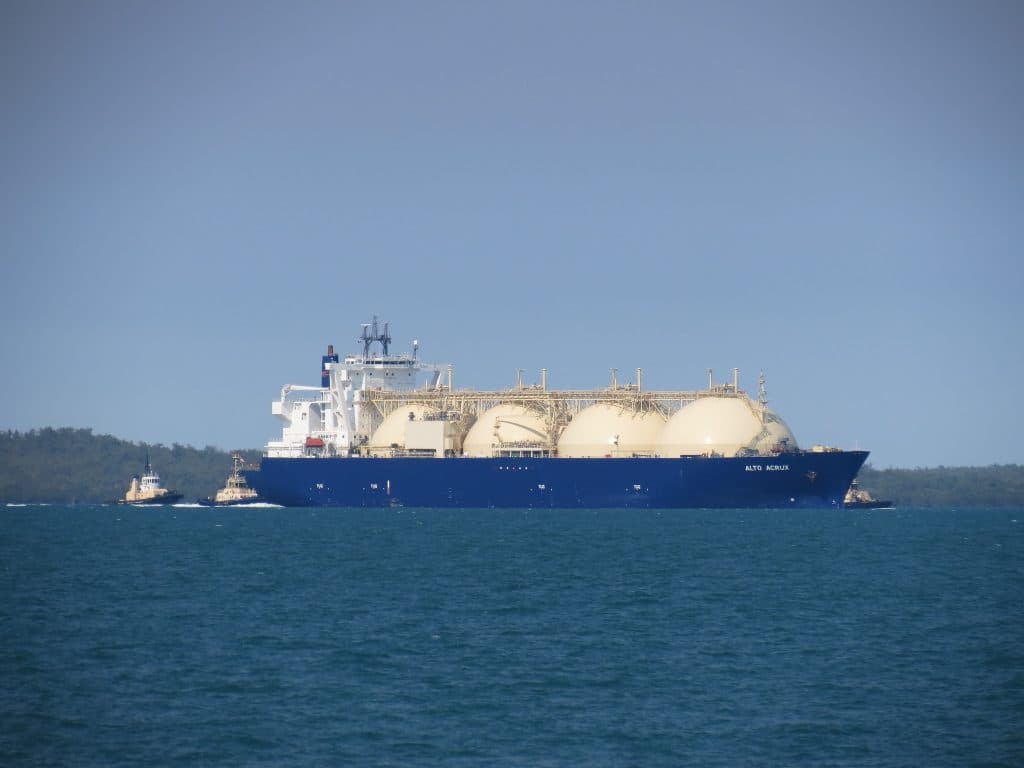
Liquefied natural gas has become a much more important part of Europe's energy mix following the plunge in Russian gas supplies. The balance between supply and demand on the global market is therefore also key to gas prices in European markets. A number of new export terminals are expected to come online in the coming years, which should help push gas prices down. However, a significant increase in supply could arrive later than currently planned and expected.
Although liquefied natural gas (LNG) was flowing to Europe long before Russia's invasion of Ukraine, its role has grown in importance in recent years. In addition to Russia cutting supplies to some European customers, the sabotage of the Nord Stream pipeline also contributed to the plunge in gas supplies from the east.
Growing imports of liquefied natural gas, offered on the market by a range of large and small exporters, are also part of Europe's efforts to diversify its sources and end its dependence on a dominant external supplier—in this case, Russia. However, while demand matters, supply is particularly important for LNG prices, which are set on the global market. Supply is expected to surge over the next few years as new terminals come online.
Project delays are already on the horizon
As is often the case with major infrastructure and energy projects, implementation is subject to delays. The vice president of French energy giant TotalEnergies warned this week that new LNG projects are no exception.
"As far as the medium-term outlook is concerned, we see that some LNG projects that were due to come online in the coming months have been postponed. The exact start date will affect the balance and gas supplies,"Gregory Joffroy, TotalEnergies' senior vice president, said at the Asia Gas Markets conference, according to Reuters.
In the long term, however, Joffroy said it was clear that a new wave of supply would arrive between 2027 and 2030. The market currently generally expects a stronger increase in supply as early as 2026.
In the United States, for example, currently the world's largest LNG exporter, the development of new LNG projects has been hampered by a shortage of skilled workers and inflationary pressures on wages, as well as a lack of necessary equipment.
A recent pause in permitting new gas export projects to countries that do not have a free trade agreement with the United States has created further market uncertainty. However, it is not expected to affect projects that have already received permits, meaning those scheduled to begin operating over the next few years.
Translation disclaimer
This article is a machine translation of the Czech original and has not yet been fully reviewed. In case of any doubt, please refer to the Czech version.
Sdílejte článek prostřednictvím:
You might also like
22 October 2026, 10:45