23 October 2026, 14:38
Loading...
How to survive the 'Hormuz crisis'? IEA recommends working from home and slower motorway driving

Libor Láník
23 March 2026, 06:16
The International Energy Agency (IEA) has published a report responding to the current energy crisis. The report is based on the premise that effective demand-side measures exist in the event of supply shortages. These can be taken by governments, businesses and households alike.
“The war in the Middle East is causing a serious energy crisis, including the largest supply disruption in the history of the global oil market. Unless there is a rapid resolution, the impacts on energy markets and economies will become increasingly severe,” said IEA Executive Director Fatih Birol.
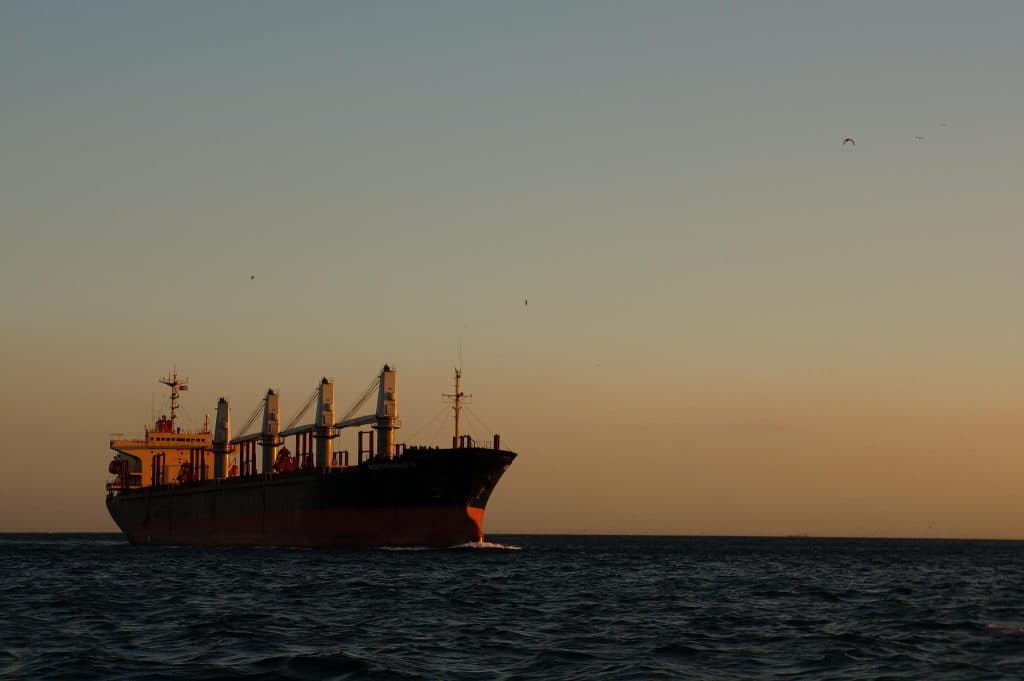
The end of the war remains out of sight. Iran appears to have opted for prolonged resistance to US and Israeli attacks, aiming to drive oil prices to unsustainable levels. Oil prices have climbed above $100 per barrel, while the war has triggered an even sharper increase in prices for oil products such as diesel, jet fuel and liquefied petroleum gas (LPG). Restoring transit through the Strait of Hormuz remains crucial to stabilising global energy markets.
The new IEA report identifies ten measures that could serve as key and immediate tools to reduce pressure on consumers by improving affordability and supporting energy security. While policymakers continue to seek solutions to supply disruptions caused by the conflict in the Middle East, efforts to reduce consumption could provide faster relief, according to the agency.
Transport plays a key role, according to the agency, accounting for roughly 45% of global oil consumption. This is where the greatest scope exists for rapid savings. The IEA notes, for example, that simply expanding working from home to three days a week could reduce fuel consumption by 2% to 6% at national level, while individual drivers could cut as much as a fifth of their usual consumption.
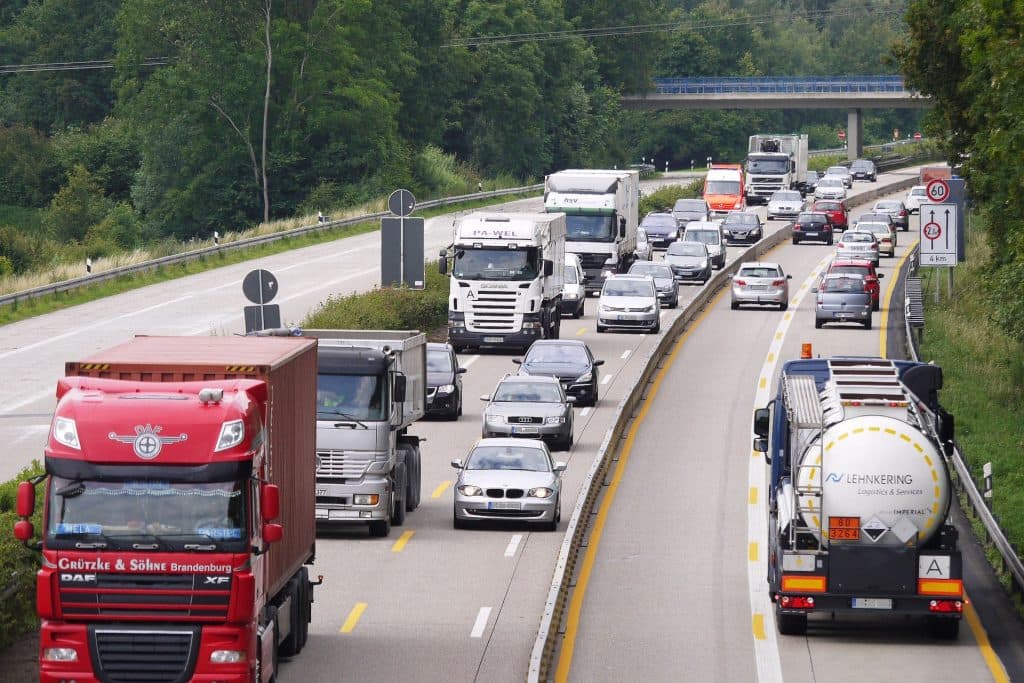
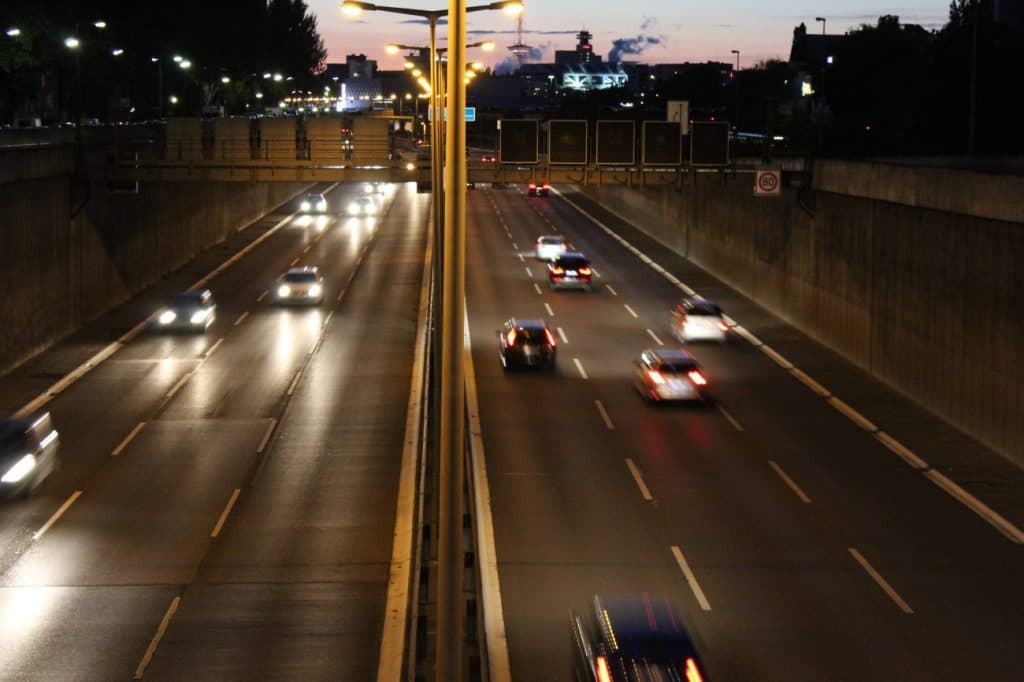
Lower motorway speeds would have a similarly immediate effect. A reduction of 10 kilometres per hour can cut fuel consumption for individual drivers by 5% to 10% and deliver savings of several percentage points nationwide. Other recommendations include greater use of public transport, carpooling, or the introduction of alternating vehicle use in major cities based on registration plates.
The agency points out that changes in corporate behaviour also have significant potential. In aviation, up to 40% of business travel could be replaced by online meetings, it says, leading to a 7% to 15% reduction in jet fuel consumption. In industry, better equipment maintenance and operational optimisation could reduce oil consumption by up to 5% without the need for major investment.
The report also addresses households, particularly in developing regions where liquefied petroleum gas is a key energy source for cooking. However, supply disruptions are making this fuel scarce, which could have serious social consequences. The IEA therefore recommends supporting a switch to alternative cooking methods, such as electric appliances, where possible.
Alongside demand-side measures, the agency notes that governments have also taken supply-side action. IEA member countries, for example, have released 400 million barrels of oil from strategic reserves, representing the largest coordinated intervention of its kind in history. Experience from previous crises, however, shows that increasing supplies alone has its limits and is often slower than consumption-side savings.
The IEA also warns that broad subsidies or price caps can be fiscally costly and should be targeted primarily at the most vulnerable groups. A more effective approach, it says, is a combination of short-term savings and long-term investment in energy efficiency, electrification and alternative energy sources.
Even full implementation of all these measures, however, will not make up for the supply disruption – market stabilisation depends on geopolitical developments.
Translation disclaimer
This article is a machine translation of the Czech original and has not yet been fully reviewed. In case of any doubt, please refer to the Czech version.
Sdílejte článek prostřednictvím:
You might also like
23 October 2026, 11:01
23 October 2026, 06:34