Sanctions put pressure on India: New LPG and LNG contracts and more “non-Russian” oil
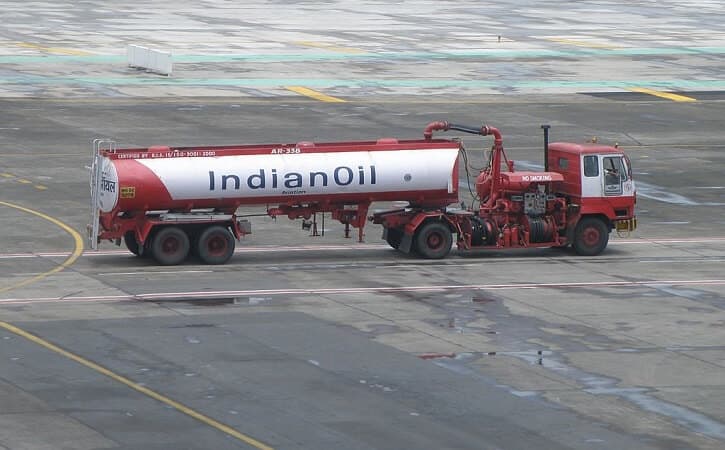
According to Reuters , Indian state-owned refineries have awarded Chevron, Phillips 66 and TotalEnergies their first joint long-term contract to import US LPG from 2026. India is also increasing its crude oil imports from Gulf states and looking for alternative sources of LNG.
This year, Donald Trump’s administration introduced 50% tariffs on selected Indian exports. These tariffs are part of wider efforts to rebalance trade, among other things, so India’s leaders are now responding by seeking to meet Washington’s demands through increased energy imports.
In India, LPG is used mainly for household cooking. Its distribution is handled by state-owned companies, which sell LPG at subsidised prices. An interesting point is that LPG consumption often rises ahead of elections, as federal and state governments are more likely to provide subsidies or even give the fuel away for free during this period.
Although the exact contract volumes have not yet been made public, sources say suppliers can source one of the four cargoes from somewhere other than the US. India plans for around 10% of its LPG supplies to come from the US from 2026. Government data show that India imports around 65% of its LPG consumption this year.
Oil
As for oil, India is continuing to diversify and gradually reduce its imports of Russian crude, partly due to sanctions pressure and the risks associated with trading. According to Reuters, some Gulf producers are already increasing their crude oil supplies to India, with others set to follow.
Kuwait Petroleum, for example, plans to increase its supplies to India in November and December. Indian refineries are also reportedly interested in additional supplies from Saudi Aramco and Iraq’s SOMO, as these producers have lowered their selling prices.
Russian companies Lukoil and Rosneft, which have recently come under the scrutiny of Western sanctions, have played a major role in the Indian market. India is now seeking to reduce its dependence on Russian oil imports while also minimising the risk of secondary sanctions. According to some sources, India imported an average of as much as 1.7 million barrels per day from Russia in the first nine months of the year, which could represent around 30% of its consumption.
Reliance Industries, a private-sector player, is reportedly planning to end a significant share of its purchases from Rosneft, despite having long-term contracts. State-owned refineries are taking similar steps, with around 60% of Russian oil supplies to India reportedly coming from Lukoil and Rosneft. According to some sources, this figure even rose last month. Rosneft also has investments in India, including in the refining company Nayara Energy, half-owned by the Russian company. And it continues to buy oil from its Russian parent company through various intermediaries that have not yet been hit by sanctions.
Petronet LNG
Petronet LNG, one of India’s major LNG importers, has signed a contract with ExxonMobil to import half a million tonnes of LNG in eight cargoes from 2026. The gas will come from the Australian Gorgon project, operated by Exxon.
Under the agreement, annual supplies are set to increase to as much as 1.2 million tonnes. Petronet therefore plans to expand the capacity of its terminal in Dahej, in western India. The company also operates an LNG terminal in Kochi in the south of the country.
Translation disclaimer
This article is a machine translation of the Czech original and has not yet been fully reviewed. In case of any doubt, please refer to the Czech version.