Secret stockpiles, coal and EVs: How China weathered the disruption of oil supplies from the Middle East

In light of events in the Middle East, global media have turned their attention to China’s oil management and found that the country dealt with disruptions to supplies of petroleum products from Iran far more effectively than expected. How was the world’s largest oil importer able to dramatically cut its imports to nearly half their original volume without suffering a severe economic or energy shock?
Following the outbreak of conflict between Iran and the United States, energy market analysts immediately focused on the Strait of Hormuz, through which around 20 million barrels of oil and petroleum products normally flow each day, accounting for approximately 25 % of global seaborne oil trade. This transit route is immensely important particularly for Asian countries, which receive almost 80 % of the total export volume passing through it from the Middle East. China and India alone take around 44 % of exports flowing through the strait.
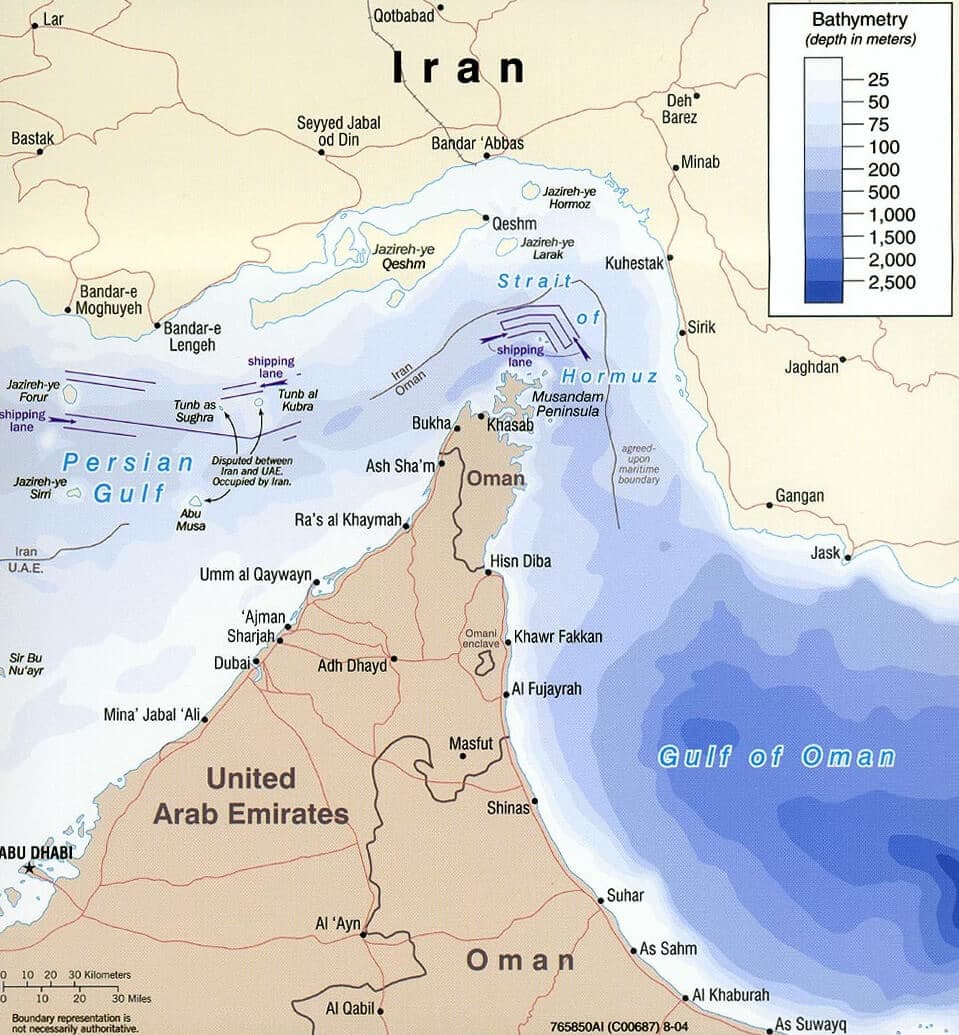
Disruptions to oil transport through the Strait of Hormuz had a significant impact particularly on major Asian importers of energy commodities, including India, Japan, South Korea, Taiwan and Thailand. These economies faced rising oil and natural gas prices, higher transport and cargo insurance costs, and a worsening trade balance due to more expensive energy imports.
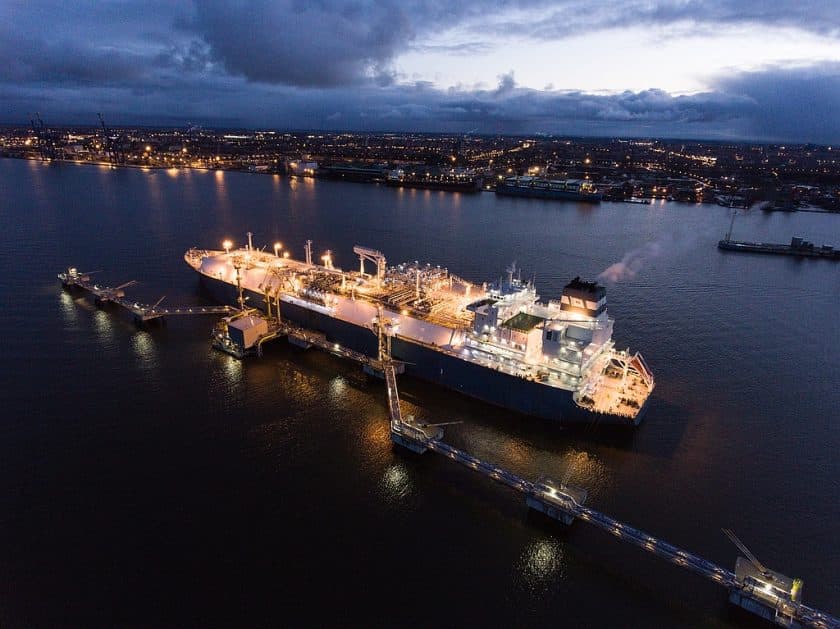
Countries dependent on LNG from the Persian Gulf were particularly vulnerable, as they faced the risk of more expensive electricity generation and industrial production. Higher energy prices also intensified inflationary pressures and limited central banks’ room to support economic growth. China, however, has not followed the lead of other Asian countries and, thanks to a combination of several factors, has managed to reduce the negative impact of events in the Middle East to the lowest possible level.
Secret stockpiles, coal and electrification, but also lower demand
One surprising finding is that China has chosen to reduce demand for imported oil, which has helped not only its Asian neighbours but also the global market to stabilise world prices. While analysts expected prices to surge to extreme levels at the start of the conflict, China significantly reduced its purchases on global markets. This freed up part of the available supply for other countries and helped prevent even steeper price rises.
Even before the war, China had increasingly been using its vast coal reserves to produce fuels, petrol and other products. In coal-rich provinces in northwestern China, supported by the government, new projects focused on converting coal into chemicals are expanding. In Xinjiang, where coal prices are among the lowest in the country, production of transport fuels from coal almost doubled in 2025 compared with the previous year.
At the same time, China’s economy has proved less dependent on oil than in the past. The massive expansion of electric vehicles, transport electrification and slower economic growth have played an important role. The transport sector is consuming less petrol and diesel than had been expected until recently. A number of analysts are therefore beginning to discuss whether Chinese oil consumption may already be close to its long-term peak.
One of the most important factors behind the effective management of supply disruptions appears to be China’s extensive strategic and commercial oil stockpiles. Before the conflict broke out, China had spent many months taking advantage of relatively low prices to buy and store oil intensively. When supplies from Iran were disrupted and complications arose in Hormuz, it was able to draw on these reserves in the short term instead of buying expensive oil on the market.
Information on the fill levels or size of Chinese stockpiles is not publicly known, as Beijing does not disclose these data. Energy analysts therefore have to estimate stock levels indirectly from the differences between imports, domestic production and refinery processing.
Strengthening global influence or maintaining a strategic position
We may be witnessing a new era in which China’s tactics in the fossil fuel market pursue one particular geopolitical objective above all. As the world’s largest importer, China has a crucial influence on the global oil market. If it cuts purchases by several million barrels a day, it can significantly affect global price levels. Some analysts have therefore begun to speak of Beijing’s growing “price-setting power”.
Another possible explanation for China’s strategy is a motivation to indirectly support foreign economies in order to protect its own manufacturing base. China’s economy depends on exporting huge volumes of cheap goods around the world. If its largest customers in Europe and Asia were suddenly to fall into recession, the country could lose a substantial part of its influence in the global economic market. Providing an energy safety net to the rest of the world may have been a necessary step to keep its own economy running.
Translation disclaimer
This article is a machine translation of the Czech original and has not yet been fully reviewed. In case of any doubt, please refer to the Czech version.