10 October 2026, 07:37
Loading...
War makes flying more expensive: Ryanair warns of high airfares in Czechia until 2028
Vojtěch Kříž
10 October 2026, 07:02
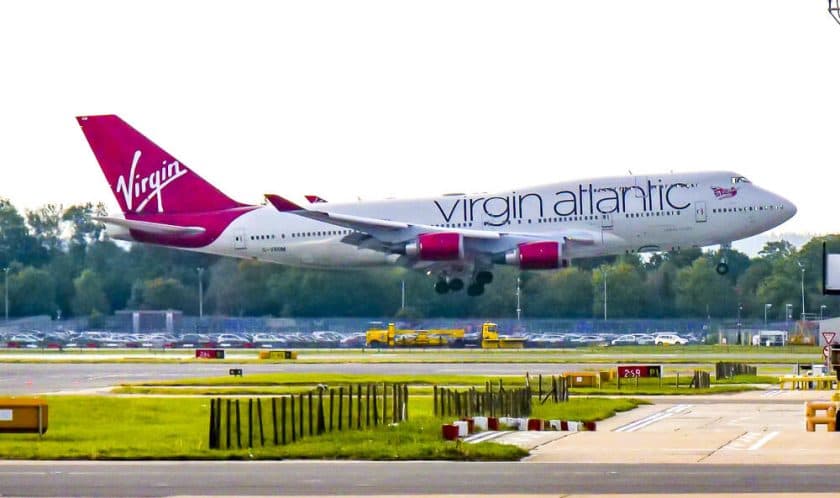
European airlines could face higher fuel costs and airfares for more than a year because of the war with Iran. According to Reuters, Ryanair Group CEO Michael O'Leary said the effects could last until 2028.
The war between the US and Iran has driven up jet fuel prices significantly this year, putting heavy pressure on airlines' margins, although many are seeking stability through forward contracts. Jet fuel is currently around 50% more expensive than before the war and, according to O'Leary, is likely to remain at this level for another 12 to 18 months. He told journalists at a press conference hosted by Airlines for Europe (A4E).
The head of the company, which is paradoxically relatively well hedged against rising fuel prices in 2027, according to reports, made the remarks at a conference with other airline executives, including those from Air France-KLM, Lufthansa and easyJet. He was warning that current prices would be unsustainable if the crisis continued.
“Next year, we will all face a huge cost problem,” O'Leary said, while dismissing concerns that Europe could face a jet fuel shortage in the near future. “There is no doubt about the availability of jet fuel in Europe this winter or, frankly, until next summer.”
MORE EXPENSIVE FLYING
O'Leary added that he expects airfares to continue rising and become more expensive in the coming months. This is mainly because many airlines will be much less hedged against rising jet fuel prices as they enter 2027. Carriers will therefore have to pass on a greater share of their higher costs to customers. O'Leary has previously said that airfares could rise by as much as 20% next summer as costs increase.
The rise in prices is not limited to Europe. Air travel in the US has already become significantly more expensive this year, with fares on transatlantic routes rising by more than 30% year on year. Higher fuel prices put direct pressure on airlines' costs, which are gradually reflected in airfares when carriers are not adequately hedged against price fluctuations.
Airlines have few options for avoiding higher costs. If fuel prices remain significantly above pre-war levels for an extended period, they will have to raise fares or look for savings elsewhere. This could mean cutting some less profitable routes, slowing capacity growth or seeking further reductions in operating costs. For passengers, the result could be not only more expensive flights but, in some cases, fewer connections to choose from.
IMPACT ON CZECHIA
This issue affects Czech air travel mainly through Prague Airport and foreign carriers, which operate most scheduled services. Higher fuel prices could therefore be reflected primarily in airfares and the possible reduction of some less busy routes.
In the long term, high prices for fossil jet fuel could increase pressure to adopt alternatives, particularly sustainable aviation fuels (SAF). However, switching to them would add costs in the short term, partly because of the requirements of the EU's ReFuelEU Aviation regulation. Czech aviation may therefore face both geopolitical increases in the price of conventional fuel and costs associated with decarbonisation.
Translation disclaimer
This article is a machine translation of the Czech original and has not yet been fully reviewed. In case of any doubt, please refer to the Czech version.
Sdílejte článek prostřednictvím:
You might also like
10 October 2026, 07:02

9 October 2026, 13:47