29 October 2026, 16:16
Loading...
The United States increased oil and natural gas production despite headwinds

Marek Kršák
3 February 2024, 08:26
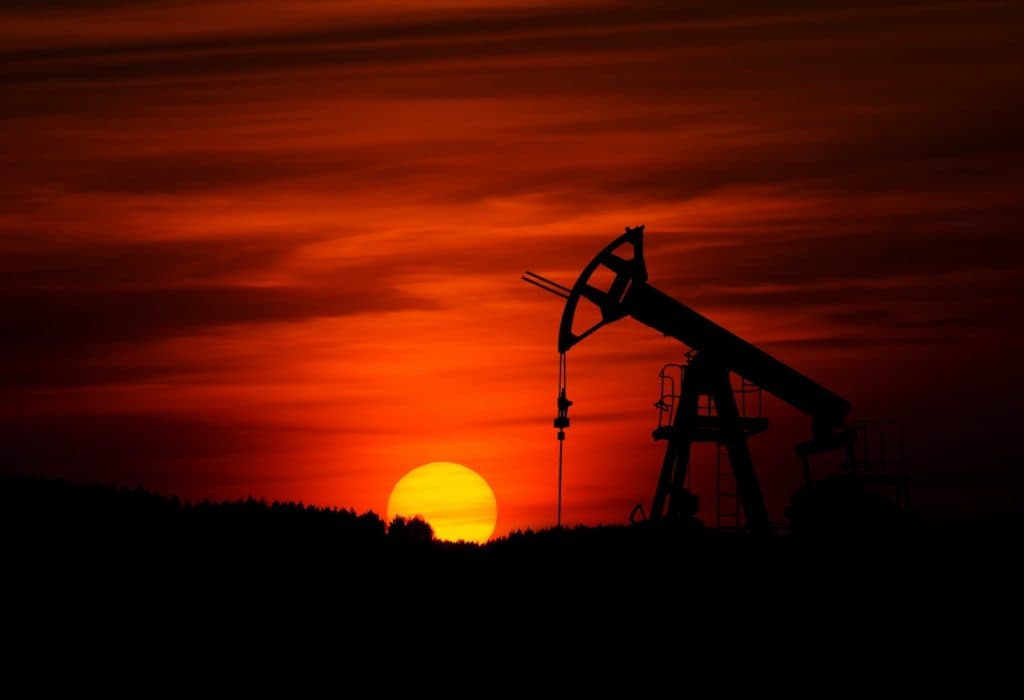
Oil and natural gas exploration drilling in the United States has slowed over the past year and a half, mainly in response to the global decline in prices. This does not mean, however, that production volumes have fallen, which has kept commodity prices relatively well supported. A market analyst reported this for the Reuters news agency.
Although oil companies drilled fewer exploration wells, they managed to keep production rising steadily by focusing instead on lucrative locations with greater potential output. Companies also made drilling more efficient and focused on longer horizontal sections for each well.
These measures thwarted Saudi Arabia’s efforts and those of other OPEC⁺ countries, which aimed to draw down global oil inventories more quickly and subsequently drive prices higher.
In gas production, which is not as affected by OPEC⁺, output continued to grow and prices stabilized, remaining at roughly the same level in real terms for three decades.
The question remains, however, how long drilling efficiency gains can sustain significant production growth without higher prices or an increase in the number of wells.
OIL PRODUCTION
U.S. crude oil futures contracts for January this year averaged USD 77 per barrel in November 2023, down from a peak of USD 121 in June 2022, after adjusting for inflation.
The decline in oil futures led to a slowdown in drilling activity with an expected lag of around five months, reflecting the time needed to complete wells currently under way and the expiry of short-term contracts. This was also reflected in a decline in the number of active oil rigs. At the end of 2022, there were an average of 623, while by November 2023 the number had fallen to 498.
Production continued to rise, however, setting a new monthly record of 13.3 million barrels per day (b/d) in November 2023, according to the U.S. government agency EIA.
Despite this, total production rose by around 337 million barrels in the first 11 months of 2023 compared with the same period in 2022.
These factors are key to stabilizing oil prices, which held at around USD 70-80 despite Saudi Arabia and its allies cutting production artificially several times.
GAS PRODUCTION
After adjusting for inflation, January futures prices averaged USD 3.06 per million British thermal units in November 2023, down from USD 9.24 in August 2022.
The number of active rigs fell to an average of 117 in November, from a peak of 162 in September 2022. Unlike oil, production growth slowed, although not as much as might have been expected. Gas production climbed to a seasonal record of around 100 billion cubic metres in November 2023.
Gas prices fell more sharply than oil prices, with price signals playing a much greater role in restoring market balance.
OPEC’s production cuts further intensified downward pressure on gas prices. By artificially pushing oil prices higher, the United States kept its production at a higher level and thereby also increased gas production from oil wells.
Translation disclaimer
This article is a machine translation of the Czech original and has not yet been fully reviewed. In case of any doubt, please refer to the Czech version.
Sdílejte článek prostřednictvím:
You might also like
29 October 2026, 11:22
29 October 2026, 10:12