
28 October 2026, 15:10
Loading...
Vitol: Energy transition is not on track, and peak oil demand will come only after 2030
Daniel Grecman
4 March 2024, 10:36
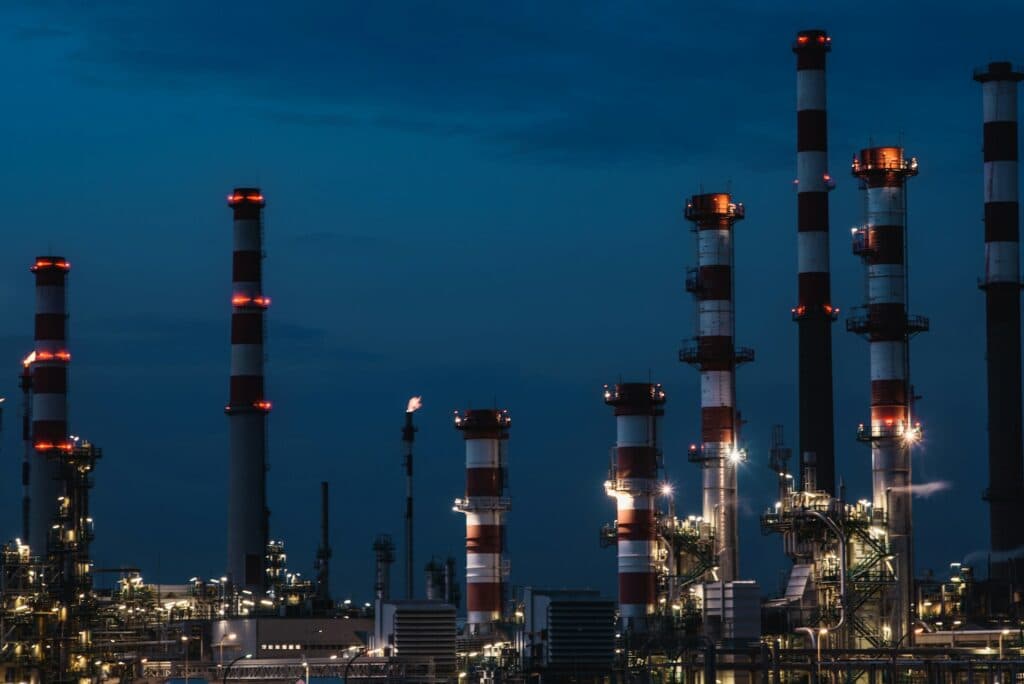
According to Vitol CEO Russell Hardy, peak oil demand will occur only after 2030. This runs counter to the view of the International Energy Agency (IEA), which expects peak oil demand before then. Hardy attributes his position to the energy transition progressing more slowly than previously expected, and outlines why this is the case.
According to Hardy, the energy transition is progressing more slowly than expected. He said that 12 to 24 months ago, he agreed with the IEA’s view. Now, however, he no longer does.
The first reason he cited was higher interest rates, which affect the cost of financing the energy transition. This includes, for example, the development of electric mobility, which goes hand in hand with greater demand for electricity, and the development of renewable energy sources to ensure a sufficient supply of “cheap” zero-emission electricity.
In the Czech Republic, among other things, very high interest rates are one reason companies prefer to finance energy projects in euros. Since the start of the energy crisis, ECB interest rates have been lower than those of the Czech National Bank (CNB). Electricity is also traded in euros on the Czech market, so companies may have euro-denominated revenues, a requirement for obtaining financing in euros.
As a second reason, Hardy cited disruptions to supply chains, which have not yet fully recovered from the COVID-19 pandemic and have also been affected by the current geopolitical situation. One example may be tensions in Yemen, which often lead commercial ships to take safer but considerably longer sea routes, delaying the delivery of their cargo.
Are green investments economically viable?
The final reason Hardy gave for why the energy transition will not follow the timeline set out so far is the economic viability of green investments. As energy prices fell, the financial returns on investments in renewable energy sources also gradually declined. Renewable energy sources, at least in the EU, are built predominantly with the help of state subsidies, either for investment or operating costs.
In Europe, one of the main tools of the energy transition is the emissions trading system, EU ETS. The system generates funds to finance the energy transition, including the development of renewable energy sources and electric mobility. A higher emissions allowance price—and, in turn, a higher electricity price—also shortens the payback period for renewable energy sources, which produce no emissions and therefore do not need to buy allowances for emissions released. The price of emissions allowances, however, has also fallen considerably recently. This has further deepened the decline in electricity prices in the EU.
In light of the above, Hardy believes that the shift away from fossil fuels will not proceed as expected, and that consumption of fossil fuels will therefore continue to grow for a few years after 2030 before beginning to level off.
Translation disclaimer
This article is a machine translation of the Czech original and has not yet been fully reviewed. In case of any doubt, please refer to the Czech version.
Sdílejte článek prostřednictvím:
You might also like

28 October 2026, 13:08

28 October 2026, 11:10

28 October 2026, 09:08
