25 September 2026, 09:51
Loading...
Czech government to take steps towards full control of energy group ČEZ, Havlíček confirms

oEnergetice.cz, ČTK
20 February 2026, 16:22
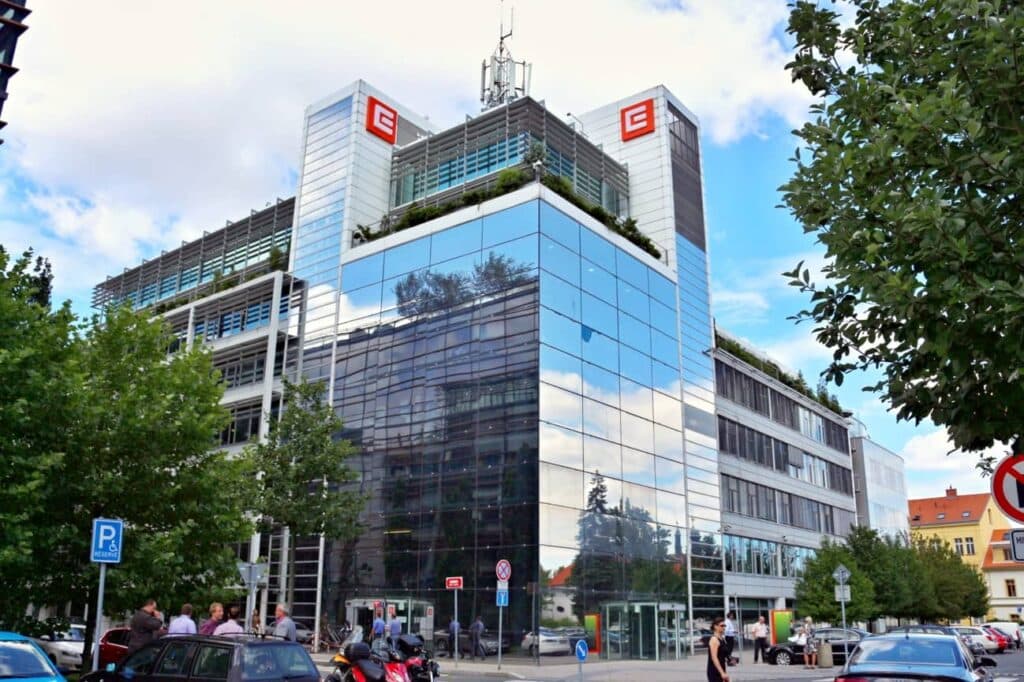
The government will take steps towards full control of the ČEZ energy group. Karel Havlíček (ANO), the Minister of Industry and Trade, said this today during a presentation of the cabinet's economic strategy. The state should buy out shares from minority shareholders, though the minister did not specify the concrete measures today. However, he had previously indicated that the government would begin preparatory steps later this year.
The state holds around 70 percent of ČEZ shares through the Ministry of Finance, with the remainder owned by minority shareholders. By buying out the minority shareholders' stake, the state would become the sole owner.
"In the case of ČEZ, it is true that we will take these steps," Havlíček said today.
He confirmed that the government is still preparing measures to gain 100 percent control over generation within the ČEZ group. The plan is also part of the policy statement of the current governing coalition made up of the ANO movement, SPD and Motorists.
The minister did not specify the concrete steps or their timetable today, arguing that such information affects the share price. In January, Havlíček said the government had a scenario ready for the nationalisation of ČEZ and would not delay it. According to him, the entire process should begin later this year and take around two and a half years. According to Havlíček's January statement, the total cost will depend on the share price at the time. However, he previously conceded that the nationalisation could cost approximately CZK 250 billion.
"The main reason is not energy prices, but that this will give ČEZ freer rein for further investment. The state already controls all key investments," Havlíček said today.
He wants to complete the entire process during the current electoral term.
The current opposition has long criticised the plan to nationalise ČEZ. It says it will have a significant impact on the company's debt and on the state budget, because ČEZ would no longer pay dividends from its profits. "It makes no economic sense," said former Minister of Industry and Trade Lukáš Vlček (STAN).
The plan is also viewed critically by Radim Dohnal, an analyst at Capitalinked.com. "Through lower wholesale electricity prices, the state will buy electoral groups, discourage other electricity producers from investing in new sources or even refurbishing old ones. It will discourage all consumers from making savings, and so we will continue to suffer from a shortage of fossil fuels in Europe," Dohnal said. He also mentioned the negative impact on the Prague Stock Exchange, which, without such a large company, will in his view become less attractive to new issuers.
ČEZ earned CZK 21.5 billion in the first three quarters of last year, with the group's net profit falling by around 6.5 percent year on year. The company is expected to publish its results for the full year 2025 in March.
Translation disclaimer
This article is a machine translation of the Czech original and has not yet been fully reviewed. In case of any doubt, please refer to the Czech version.
Sdílejte článek prostřednictvím:
You might also like
24 September 2026, 11:23

24 September 2026, 10:30
24 September 2026, 06:56