Czech threshold for mandatory electricity generation licences rises from August

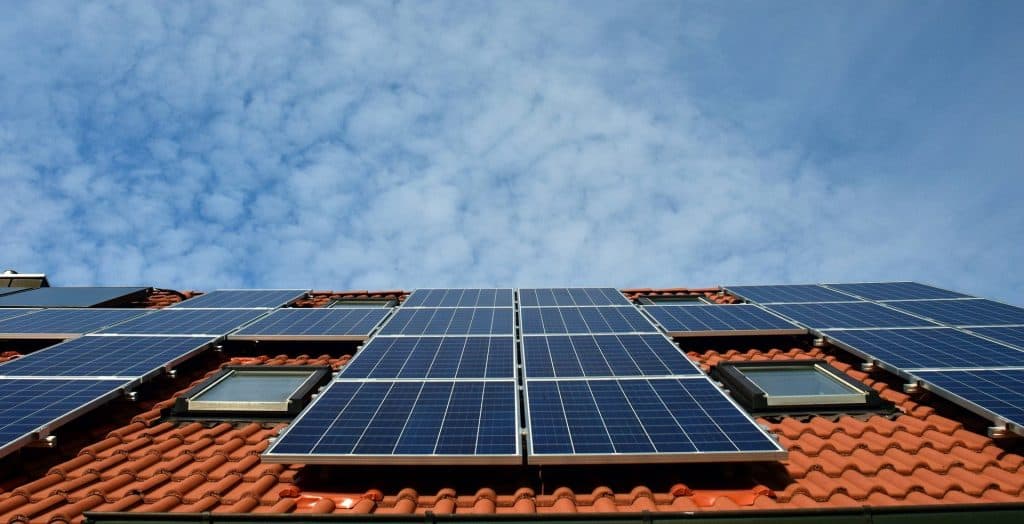
Since August, it has been possible to operate electricity generation with a higher installed capacity than before without a licence, which also affects small solar power plants. An amendment to the Energy Act raised the threshold for requiring a licence from 50 kilowatts to 100 kilowatts, the Energy Regulatory Office (ERÚ), which issues licences, said in a press release today. This applies only to electricity generated for direct consumption at the site or for free sharing. Another new feature, according to ERÚ, is a licence for electricity storage.
A licence is no longer required for electricity generation with an installed capacity of up to and including 100 kW. The previous 50 kW threshold was raised from 10 kW in 2023. “In the future, the entire system of licensed activities in the Energy Act will need to be significantly revised to better reflect the new environment in which the energy sector operates. In many cases, the original purpose of issuing licences has already been overtaken,” said ERÚ Chairman Jan Šefránek.
Regardless of capacity, however, a licence is always required for power plants generating electricity for commercial purposes, or if another generating plant is connected at the same consumption point. “Licences are also required by generators that receive support for their power plants under the Act on Supported Energy Sources,” Šefránek added. ERÚ noted that a licence can be issued, after which the generator can assess whether it actually needs one, depending on the circumstances.

In general, the regulator says, a business activity is one carried out continuously and for profit. An example is regular feed-in to the energy system, from which the generator earns revenue. “If an operator supplies electricity to the system occasionally, more or less sporadically, and the monthly revenue from it averages, for example, a few hundred crowns, we do not consider this to be a business activity,” said Jakub Med, director of ERÚ’s administrative proceedings section. According to him, sharing electricity for a fee does not necessarily constitute a business activity if the payment is a contribution towards the costs of generation. ERÚ has detailed information on its website.
The amendment to the Energy Act also introduced a new licence for electricity storage. However, according to ERÚ, not all batteries will need a licence. “If a device, typically a battery, is connected through a generating plant and its installed capacity is no more than 20 percent higher than that of the generating plant, it does not need a licence,” the regulator said.
The amendment to the Energy Act, nicknamed Lex OZE III, introduces rules for electricity storage as well as an independent electricity price comparison tool for consumers and other measures to protect them. Under the amendment, solar power plants with a capacity of more than 30 kW commissioned in 2009 and 2010 will be subject to individual profitability checks, which should save the government money from the budget for supported energy sources. The amendment also includes a measure intended to help the state ensure energy security if coal-fired power plant operators decide to shut down their facilities quickly for economic reasons.
Translation disclaimer
This article is a machine translation of the Czech original and has not yet been fully reviewed. In case of any doubt, please refer to the Czech version.