25 September 2026, 09:51
Loading...
Study: Faster renewable energy development will cut electricity prices and boost Czech competitiveness

oEnergetice.cz, ČTK
13 May 2025, 15:02
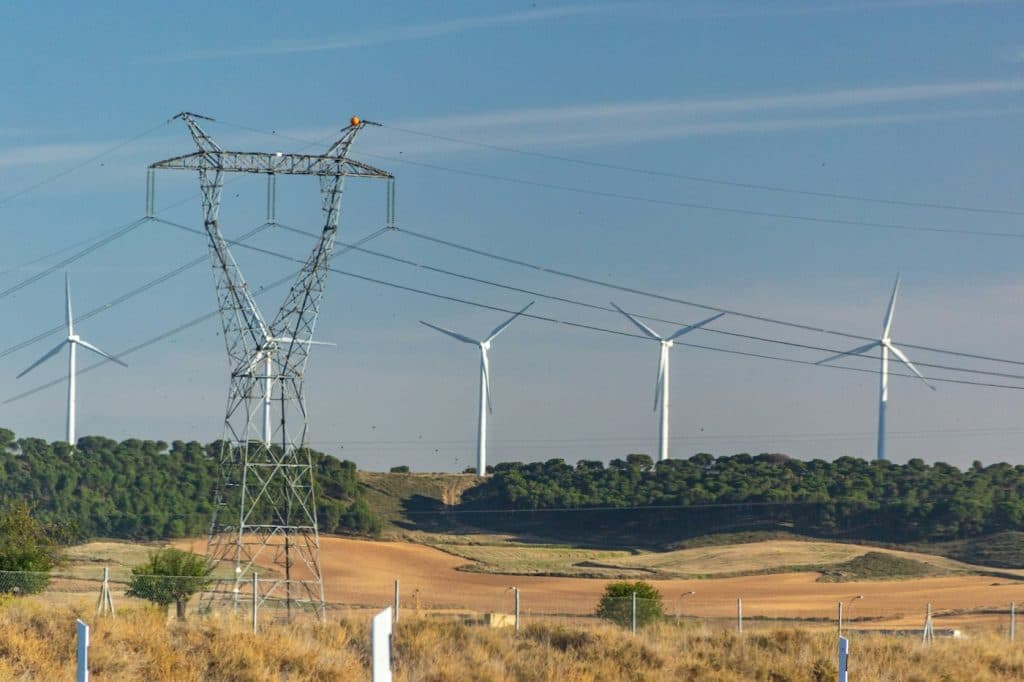
Greater development of renewable energy sources (RES) could reduce wholesale electricity prices and boost the Czech Republic’s competitiveness. It would also reduce dependence on electricity and gas imports and cut harmful emissions. With the development of flexibility, electricity can be readily absorbed, while gas-fired sources will cover demand during periods of low output. This follows from a new study by the Modern Energy Association and the Facts about Climate project. Its authors presented it at a press conference today.
However, according to the study’s authors, this requires faster permitting for construction, a sound environment for financing projects, sufficient flexibility and a sensible setup of the emissions allowance market.
The government approved the current plan for the development of the Czech energy sector, the National Energy and Climate Plan (NECP), in December 2024. The authors worked with four model scenarios in the study. They focused on the potential benefits of faster development of modern energy, as well as the risks associated with slower progress.
The first scenario assumes that, in some areas, the state will even add further barriers to permitting RES construction, with no greater operational support and no increased support for the deployment of storage and flexibility. The second scenario included rapid development of renewable sources in line with the targets of the approved NECP. Under this scenario, the aim is to achieve the planned level of development, particularly of wind and solar sources. The third scenario focused on significantly faster construction of renewable sources beyond the targets of the national plan. In the final scenario, the authors considered comprehensive modernisation, which, alongside faster development, makes use of additional options for storage, flexibility and industrial electrification.
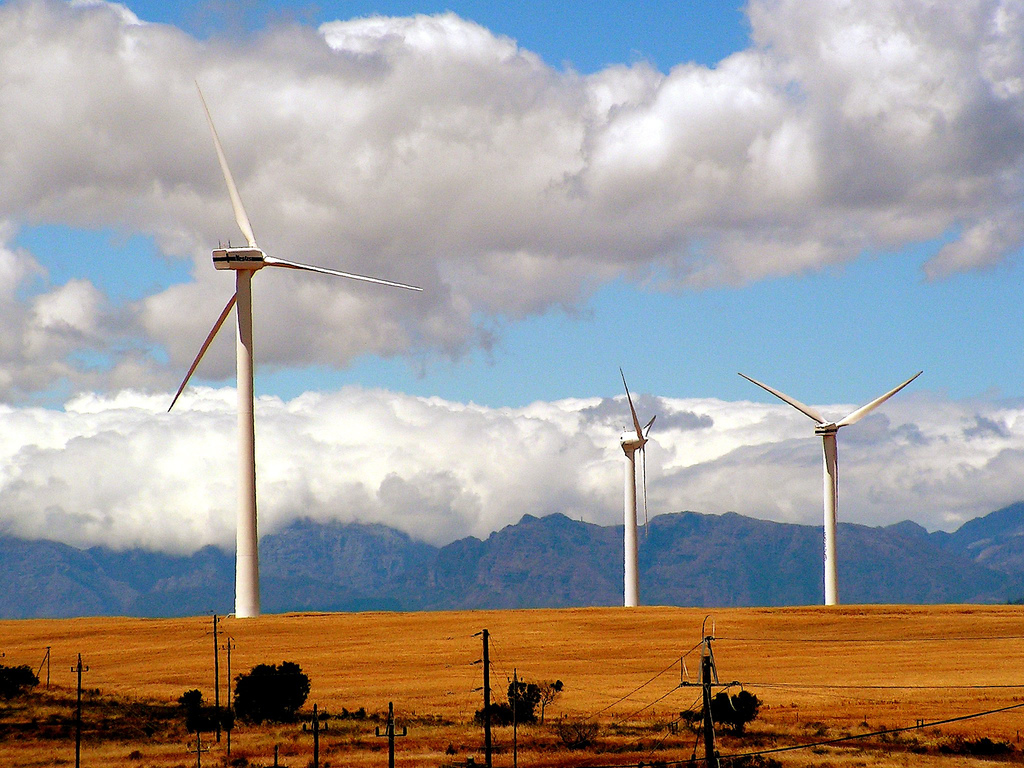
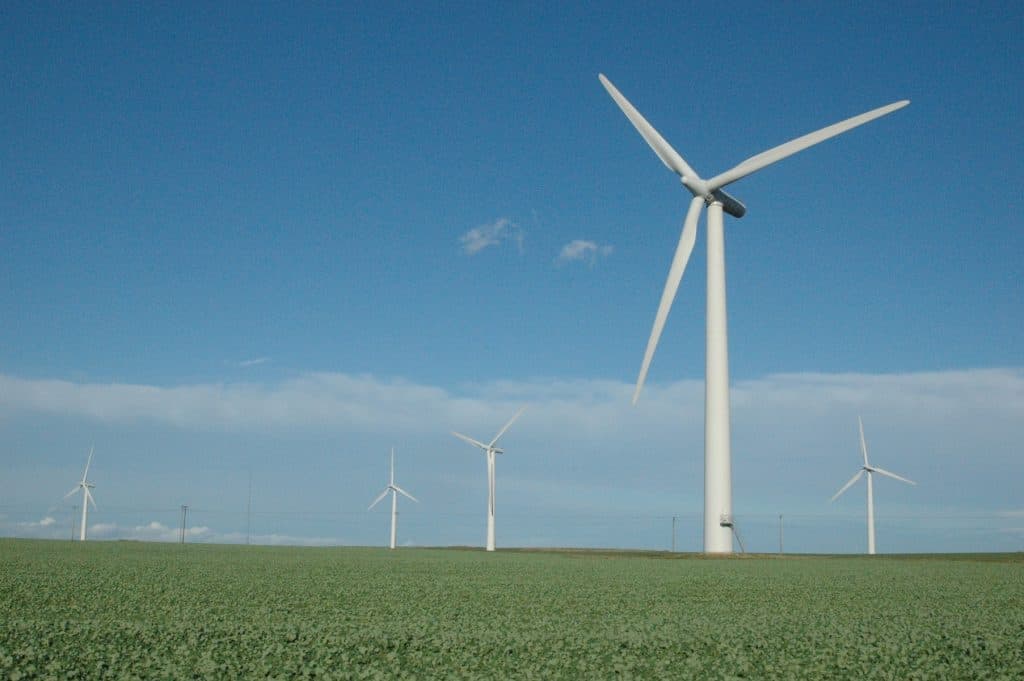
Illustrative photo
The study finds that stagnation in green energy would threaten the competitiveness of the Czech economy. In the Czech Republic, less green energy would mean a wholesale electricity price, converted per megawatt-hour, 792 crowns higher than in Germany in 2035. Conversely, the development of renewable sources could save 20 terawatt-hours of natural gas.
Czech legislation accelerating the use of renewable energy sources includes Lex RES I, which allows power plants to be permitted in undeveloped areas without requiring an amendment to the land-use plan. It also includes Lex RES III, which created conditions for the development of storage and smart flexibility. Among the latest amendments is Lex Gas, approved by the government in April, which incorporates an assessment of impacts on landscape character into the environmental impact assessment (EIA) process.
The National Energy and Climate Plan sets out the basic elements of so-called green policy and emissions reductions in the Czech Republic. The plan envisages, for example, increasing the share of renewable energy sources in consumption from the current 18 percent to 30 percent, as well as phasing out coal by 2033 at the latest. Investment through 2030 should amount to up to 2.8 trillion crowns.
Translation disclaimer
This article is a machine translation of the Czech original and has not yet been fully reviewed. In case of any doubt, please refer to the Czech version.
Sdílejte článek prostřednictvím:
You might also like
24 September 2026, 11:23

24 September 2026, 10:30
24 September 2026, 06:56