
25 September 2026, 09:51
Loading...
Supplier compensation for price caps changes as government clarifies key ambiguities

Martin Voříšek
23 February 2023, 14:21

This Wednesday, the government approved the first amendment to the government regulation setting out the detailed procedure for compensation provided to energy suppliers in connection with electricity and gas price caps. The regulation has only been in force since the beginning of January this year and is intended to remain in force until the end of the year, when the price caps also expire.
The original wording of the regulation, under which electricity and gas suppliers are compensated for demonstrable losses and reasonable profit caused by the introduction of price caps, lasted two months. The regulation is crucial for suppliers that are still charging prices above the price cap.
Under the regulation, suppliers are compensated based on the type of supply contracts they have concluded with their customers. Supply contracts are divided into categories according to their characteristics. For each category, the regulation sets out the procedure and, where applicable, limits on the amount of compensation.
One of the main criteria used to categorise contracts is whether they contain a so-called fixed price. This definition has been amended – the revised text of the regulation makes it clearer that fixed-price contracts also include contracts with a single price set for individual parts of the contract term (for example, individual years).
"A fixed-price contract may stipulate one fixed price for the entire fixed-price period, or different fixed prices may be stipulated for individual parts of the fixed-price period." Explanatory memorandum to the amendment to Regulation No. 5/2023 Coll.
Contracts are also divided into categories according to when they were concluded. Contracts concluded later generally had stricter compensation rules, as the supplier could adapt the contract to the compensation rules to make it as advantageous as possible for itself.

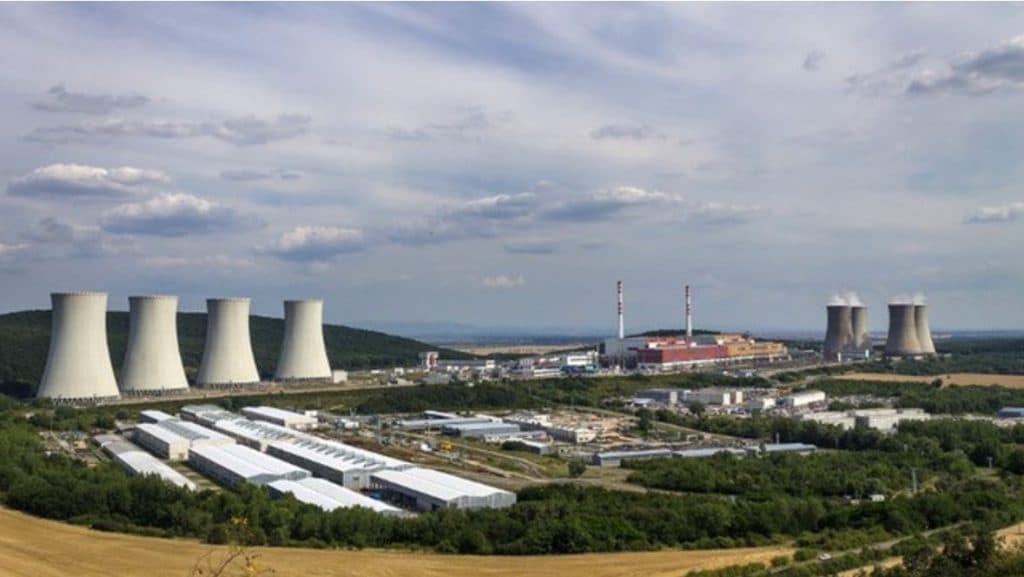
Source: Pixabay
The original wording of the regulation was relatively unclear as to which contract changes were considered – for the purposes of the regulation – to constitute the conclusion of a new contract. As a result, even an insignificant change to a contract could have placed it in a “less advantageous” category. The amendment seeks to prevent this. A contract amendment will be considered the conclusion of a new contract only if it affects one of the contract characteristics relevant to categorisation.
The first compensation payments have already been paid in the form of advances. The extraordinary January advance payment cost the state budget 8,3 mld. Kč. Total annual costs of the price caps are not yet clear. Estimates therefore vary widely, with compensation expected to amount to 100 to 240 billion crowns in total.
Will price caps last until the end of the year?
With the gradual easing of the energy crisis, however, the question remains whether price caps, and the related compensation, continue to be justified. The existence of price caps is directly linked to an extraordinary market situation. If that extraordinary market situation ceases, the government has no choice and is obliged to abolish the price caps.
A number of suppliers already offer tariffs below the price caps. Thanks to the mild winter, expert opinions are increasingly being heard that the coming winter will also be manageable for Europe. The reasons for price caps are therefore gradually disappearing.
Moreover, compensation is an expenditure of the state budget. For the state, or rather the Ministry of Industry and Trade, this could be an opportunity to reduce growing state expenditure.
Translation disclaimer
This article is a machine translation of the Czech original and has not yet been fully reviewed. In case of any doubt, please refer to the Czech version.
Sdílejte článek prostřednictvím:
You might also like

24 September 2026, 11:23


24 September 2026, 10:30
24 September 2026, 06:56