Challenges and opportunities: Czechia on the brink of energy transformation
Czechia, like many other European countries, stands on the brink of crucial changes in the energy sector. Recent reports, including the monthly report by the US EIA published in early September 2024, point to a global shift away from coal and growing investment in renewable sources. This trend is in line with European decarbonisation targets, with almost USD 110 billion annually already being invested in clean technologies, particularly in countries such as Germany and France.
The current state of renewable energy in Czechia
According to the Czech Ministry of Industry and Trade, renewable energy sources accounted for approximately 15% of total electricity generation in 2022. The main renewable energy source was biomass, at nearly 24%, followed by hydropower at more than 27%. Solar energy accounted for 22% of total renewable energy generation, although its potential is far greater. For example, a study by the Czech Technology Agency states that solar panels on the roofs of Czech buildings could theoretically cover up to 27% of electricity consumption in the country.
In this respect, Czechia still lags behind some European countries. In neighbouring Germany, for example, renewables accounted for more than 50% of electricity generation in 2023, with further growth in wind and solar power expected.
Investment in the energy transition
One of the biggest obstacles to achieving the SDG7 sustainable development targets is insufficient financing. The IEA's 2024 report warns that global investment in renewables must increase by more than USD 1.2 billion annually by 2030 in order to meet the targets.
For Czechia, this means the need to mobilise both national and European funds, particularly through the Modernisation Fund. This supports projects to improve energy infrastructure and transition to clean energy. Funding allocated from the fund in 2023 amounted to around CZK 150 billion, with part of it already invested in projects focused on building new wind and solar power plants.
The role of solar energy in Czechia
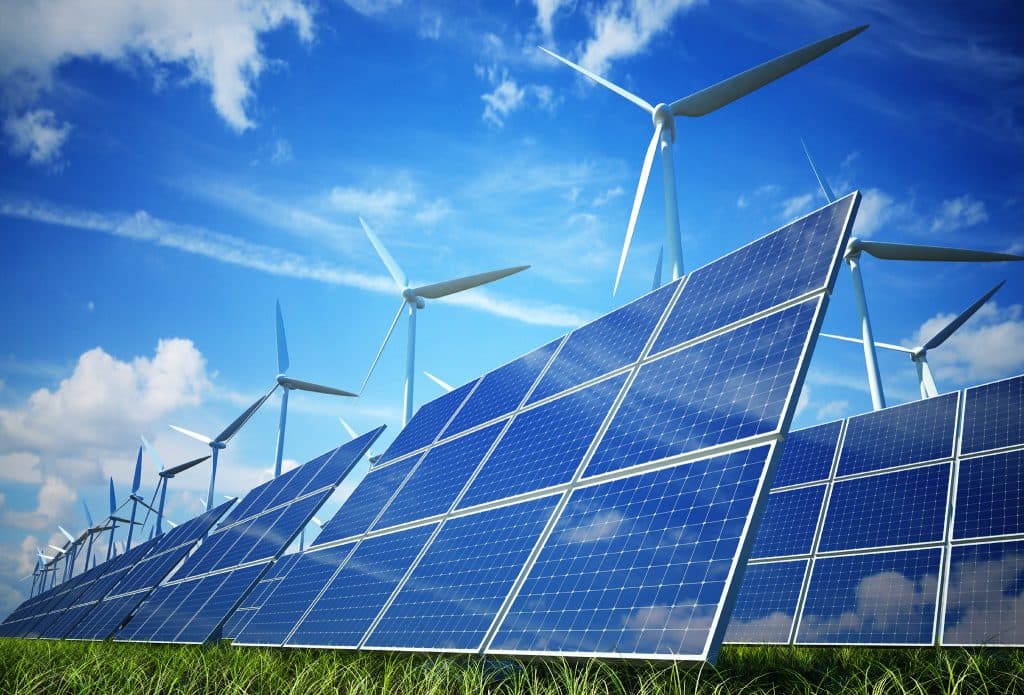
Solar energy has untapped potential in Czechia. According to Deloitte, the total installed capacity of solar power plants could reach almost 6 GW by 2030, covering approximately 10% of total electricity demand. This growth would be supported by investment in decentralised systems, such as rooftop photovoltaic panels at homes and small businesses.
The company proposes greater support for community energy projects, in which people would join together to invest in shared renewable energy sources. This model already operates successfully in Germany and other countries. It could increase the energy self-sufficiency of Czech municipalities and reduce their dependence on fossil fuels.
Energy efficiency and reducing consumption
Another important step towards achieving the SDG7 targets is improving energy efficiency in industry and construction. According to the European Commission, buildings in the EU consume approximately 40% of total energy, while Czech households have one of the highest shares of energy consumption for heating in Europe, at up to 30%. The New Green Savings programme supports the renovation and modernisation of buildings in order to reduce energy consumption and thereby contribute to energy efficiency. The main aim of the subsidy scheme is insulation and the replacement of inefficient heat sources, which should significantly reduce energy requirements in the coming years.
Challenges on the path to more sustainable energy
Despite improvements in some areas, Czechia still faces a number of challenges. Energy transmission and distribution infrastructure needs modernisation in order to efficiently integrate growing generation from renewable sources. As the IEA points out, global energy demand continues to grow, making it essential to develop energy storage systems to ensure supply stability.
Given constantly rising energy prices, it is also important to focus on protecting vulnerable households and ensuring energy affordability for everyone. The Czech government has already adopted several consumer protection measures, but their effectiveness will need to be continuously monitored and adjusted where necessary.
Czechia faces a major task in the field of energy transformation. To meet the SDG7 targets, it will need to continue investing in renewable sources, energy efficiency and infrastructure modernisation. Solar energy, wind power plants and decentralised energy generation can play a crucial role in the future energy self-sufficiency of Czechia. Without significant investment and a faster pace of change, however, Czechia may remain behind European leaders.
Translation disclaimer
This article is a machine translation of the Czech original and has not yet been fully reviewed. In case of any doubt, please refer to the Czech version.