25 September 2026, 09:51
Loading...
Czech energy prices could fall by up to half, Havlíček admits; it would cost the state billions

oEnergetice.cz, ČTK
16 April 2026, 12:15
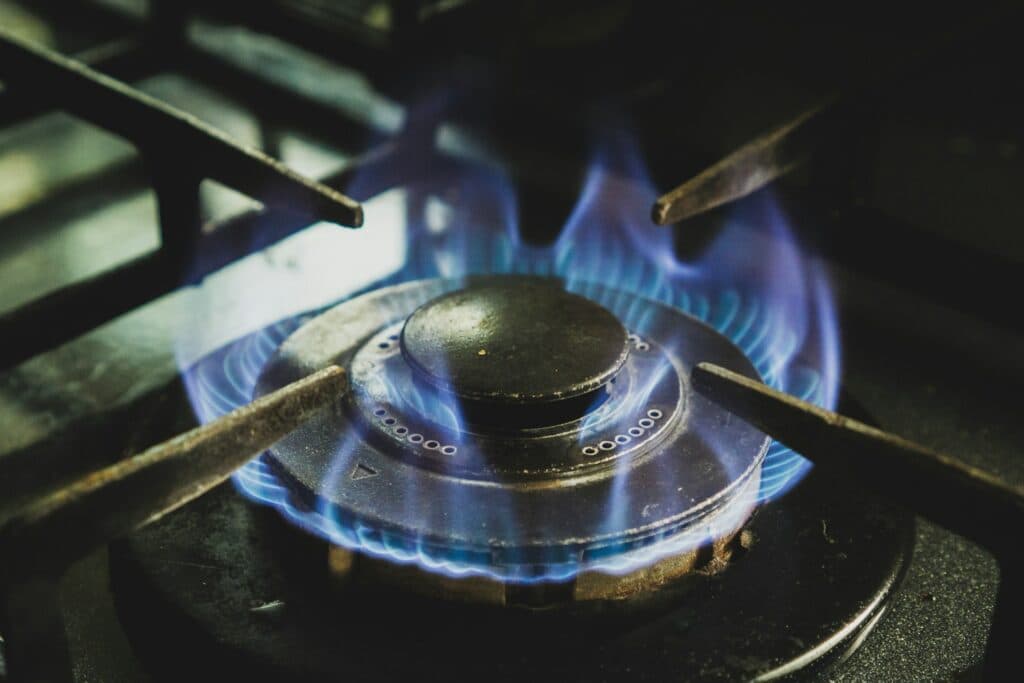
One of the options being considered for how the government could help bring down energy prices is to reduce the regulated component of energy prices. Such a move would have an impact on the budget, but could have a positive effect on potential inflation growth. Industry and Trade Minister Karel Havlíček (ANO) said this today at the Meeting of Development Leaders conference. According to him, Czechia and other countries will have to address rising inflation in the near future. The state has tools at its disposal which must be prepared and subsequently deployed, Havlíček said.
According to Havlíček, the current measures to reduce energy prices are rather short-term. On Tuesday, he said that due to the situation in the Middle East, the Ministry of Industry and Trade had begun preparing a crisis plan for the Czech Republic's economic resilience last week. It is preparing strategic scenarios in case of an energy shortage or further price escalation.
"We have the option of regulated components in reserve, which can always be tapped into again. It is a relatively quick tool. Yes, I acknowledge that the tool then costs the budget something. But in the end, it will prevent energy prices from starting to rise extremely," Havlíček said today.
According to Havlíček, the state could hypothetically reduce energy prices by up to 50 percent by cutting the regulated component of energy prices to zero. According to him, this would cost up to 70 billion crowns. However, he did not confirm that the government is currently preparing this extreme solution.
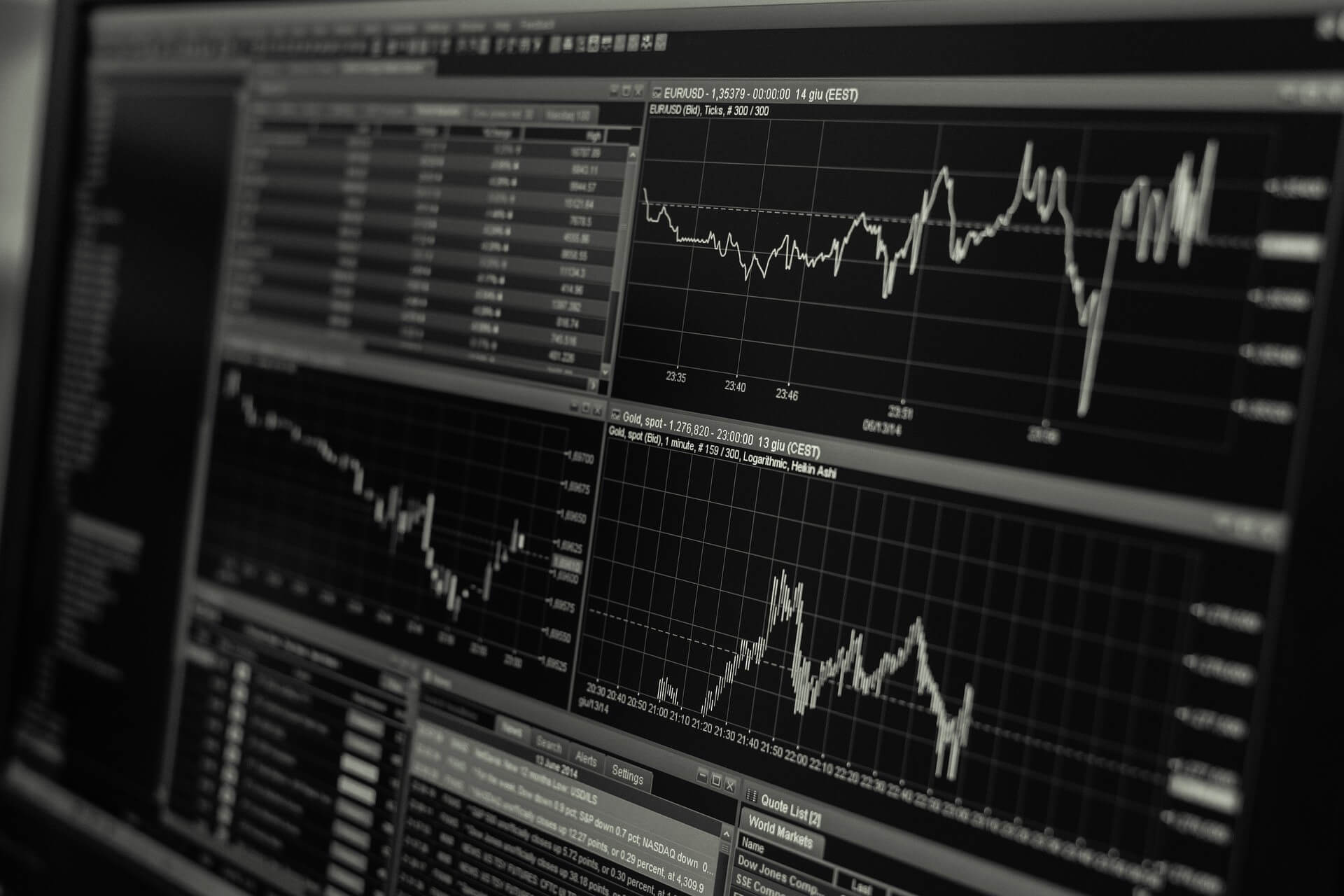
The success of electricity and gas traders' forecasts is a significant factor affecting these companies' financial results.
Another option under discussion is the stimulation of the business sector, specifically energy-intensive industries. There are currently 36 sectors in this category. According to Havlíček, support increased this year from 1.4 billion crowns to 3.5 billion, and will be paid retroactively for 2025. According to Havlíček, the money does not come directly from the state budget. At the same time, the European Union allows support for energy-intensive industries to be increased further.
The government of Prime Minister Andrej Babiš (ANO) decided in December that the state would take over all funding for the fee for supported energy sources (POZE) this year. This added around 17 billion Kč to this year's state budget burden, with the state to spend more than 41 billion on the fees in total. The government is projecting a deficit of 310 billion crowns this year; last year, the budget deficit stood at 290.7 billion Kč.
The regulated part of household electricity prices has fallen by 15.1 percent since the start of the year. Compared with last year, consumers will save an average of 420 crowns per megawatt-hour (MWh) consumed on the state-determined price. Larger consumers will also save hundreds of crowns per megawatt-hour.
Translation disclaimer
This article is a machine translation of the Czech original and has not yet been fully reviewed. In case of any doubt, please refer to the Czech version.
Sdílejte článek prostřednictvím:
You might also like
24 September 2026, 11:23

24 September 2026, 10:30
24 September 2026, 06:56