9 October 2026, 06:22
Loading...
Czech government confirms coal phase-out by 2033 but underestimates renewables, NGOs say
Ekonews.cz
31 October 2023, 14:24
Czechia’s energy and climate plan, which should have been in Brussels as early as this June, is being sent to the European Commission for comments. The government confirmed this week that it is planning to end coal mining by 2033.
A coal phase-out within ten years, and a phase-out of oil and natural gas by 2050. These are the main elements of Czechia’s energy and climate plan. Targets for renewable energy sources and energy savings are also being raised. The plan also assumes that, as electricity replaces other fuels and its consumption rises, it will need to be imported regardless of local investment.
Experts from NGOs such as Greenpeace and Hnutí Duha nevertheless believe that Czechia is not making full use of its domestic potential to meet the European Union’s targets. On the contrary, they say it significantly overestimates the potential for building nuclear power plant units and relies on unrealistic commissioning dates.
A fivefold increase within seven years
“Through to 2030, the plan sets out an outlook for developments in the energy sector. By then, electricity consumption will increase by approximately one tenth compared with today. On the other hand, we expect a significant decline in energy consumption and a reduction in electricity generation from coal. These changes should largely be offset by an increase in electricity generation from renewable energy sources. We will also stop exporting lignite-fired electricity, as its generation will cease to be profitable due to the price of emission allowances,” said Industry and Trade Minister Jozef Síkela. According to him, electricity consumption can be expected to increase with the development of electric mobility, as well as the electrification of industry and heating.
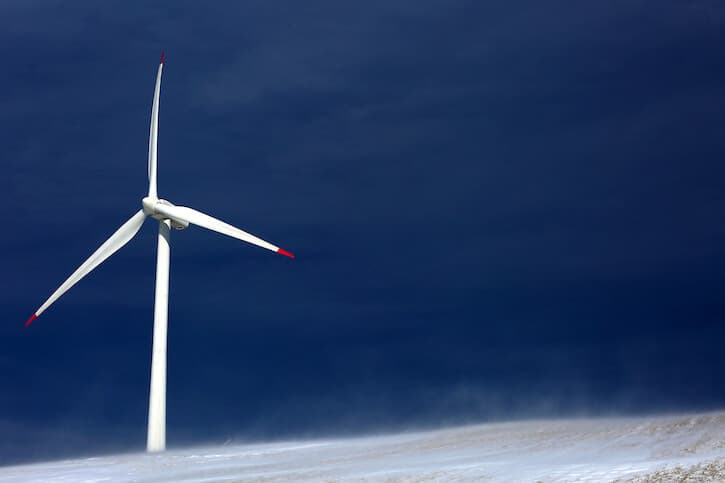
The government sees the future of the Czech energy sector in a combination of nuclear power and renewables. “However, we need to significantly accelerate the construction of solar and wind power plants. I am therefore pleased that the climate and energy plan envisages the share of renewable energy sources (RES) in gross final consumption reaching 30 percent of total energy consumption by 2030,” says Environment Minister Petr Hladík.
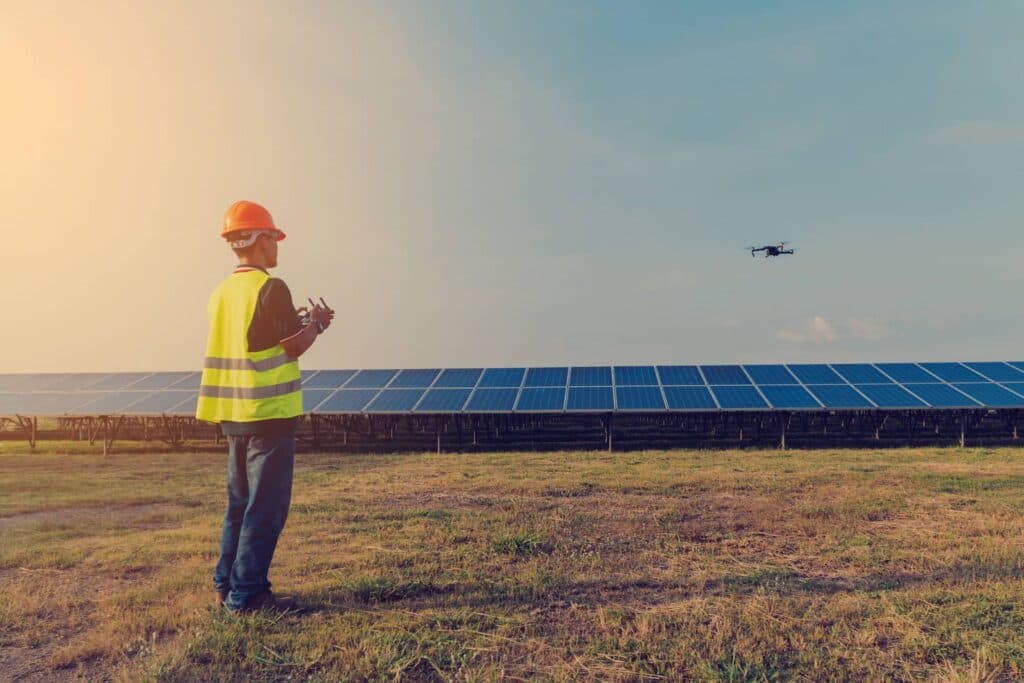
“We want to use 10 GWe of installed solar capacity by 2030 (currently 2.1 GWe) and 1.5 GWe of wind capacity (currently 0.3 GWe). Overall, this will bring us to a fivefold increase in installed capacity for both solar and wind energy,” he says. According to Hladík, reducing the energy intensity of households will also be a challenge, with renovations requiring investments of more than 550 billion crowns within seven years. According to Hladík, all these steps should lead to Czechia achieving climate neutrality by 2050. However, the plan lacks a detailed description of the path to neutrality.
Czechia counts on a reactor that does not yet exist
The Ministry of Industry and Trade and the Ministry of the Environment have several scenarios at their disposal. The plan is based on the one that found “expert and political consensus”. However, according to NGOs, the approved draft plan does not meet the required European targets for the share of renewable energy and energy savings by 2030, which are crucial for meeting Czechia’s climate commitments.
The draft National Energy and Climate Plan is based on a target of raising the share of renewables to 32 percent by 2030. However, in early October, the EU Council approved a new target of 42.5 percent, making it clear that the Czech share will have to increase more rapidly, NGO experts conclude in a joint press release on the plan.
“In the final modelling, the target for the share of renewables in total consumption increased partly because estimated consumption was reduced. We therefore reach 30 percent, but we could go higher, and that would be the right thing to do. It is apparent that this is the result of a political compromise. Moreover, while we are being overly cautious on renewables, we are operating with completely unrealistic estimates for nuclear power. Small modular reactors do not even exist yet, and we already have the first one planned for 2035,” Jiří Koželouh, head of Hnutí Duha’s energy programme, told Ekonews.
Nuclear power is not to everyone’s taste
“I still think we should model renewables based on what we can achieve, rather than on the approach of ‘what can still get through’ in the EU,” Koželouh adds, noting that there is interest in photovoltaics. The plan envisages 10 GWe in 2030, but current applications amount to 20 GWe of capacity. “Even if some of that is speculative, it is a clear signal that demand is high. Perhaps it will ultimately turn out that those reactors are not needed,” he hopes. Expert studies also state that photovoltaics can reach 15 GWe and wind power plants 2 GWe by 2030.
Edvard Sequens, an energy consultant at Calla – Association for the Preservation of the Environment, objects to the strong emphasis on nuclear power. “Nuclear power at any cost, despite cheaper and available alternatives: that is how the approach of the politicians responsible for preparing strategic documents that will shape the Czech energy future could be described. Above all, it will cause the state treasury to incur debt and electricity consumers to face high costs for many decades,” Sequens criticises.
“As it turned out, it was not enough simply to mandate three new large reactors or to distort the economic inputs to the model. Just before the government meeting, despite the modelling and following comments from ministries, the Ministry of Industry also inserted another large reactor at Dukovany into the National Energy and Climate Plan,” he complains. In his view, excessively optimistic assumptions about the commissioning of new nuclear sources may also cause problems (the first small modular reactor is planned for 2035, the first large one at Dukovany in 2036, and two more at Temelín in 2039 and 2041, editor’s note).
Final plan due by the end of June next year
Czechia is sending its draft energy and climate plan to the European Commission almost four months late; the submission deadline was 30 June. By the end of the year, the European Commission is due to send comments, which Czechia will have to incorporate into the final version of the plan, to be completed by 30 June next year. “It is therefore essential that the Czech Republic use this time to remedy the shortcomings of its proposal so that it meets European commitments for 2030, includes a credible and consistent set of policies and measures, and undergoes an effective public consultation,” the organisations write.
According to an estimate by the Ministry of Industry and Trade, approximately 500 billion crowns will need to be invested in energy-sector modernisation by 2030, with more than 350 billion crowns needed for industry. The main source of support for the transformation is expected to be the Modernisation Fund, financed from emissions trading revenues.
Republished from the online portal EkoNews.cz, a website covering business and sustainability.
Translation disclaimer
This article is a machine translation of the Czech original and has not yet been fully reviewed. In case of any doubt, please refer to the Czech version.
Sdílejte článek prostřednictvím:
You might also like
8 October 2026, 10:05