Czech ministries submit updated climate and energy plan for comments
The Ministry of Industry and Trade (MPO), together with the Ministry of the Environment (MŽP), has submitted an updated National Climate and Energy Plan for interministerial consultation. The update aims to ensure secure, competitive and affordable energy. The plan envisages the construction of several new nuclear units, as well as substantial expansion of solar and wind power plants. The planned expansion of gas-fired power plants by 2030, on the other hand, fell short of expectations.
Nuclear plans
According to Minister Jozef Síkela, the updated climate and energy plan is intended to provide a vision for the further development of the Czech energy sector. This vision is based on a combination of nuclear energy and renewable energy sources.
“This plan will provide us with a vision for the further development of the Czech energy sector. Its aim is to ensure sufficient energy at affordable prices while meeting the necessary climate targets and maintaining the competitiveness of our economy. The plan therefore sets targets as well as corresponding measures to meet them,” Minister Síkela commented, adding: “It is clear that we will have to significantly step up efforts in renewables, an area in which we fell behind in the past. On the other hand, a gradual decline in coal-fired energy generation can be expected. Electricity and heat generation from nuclear power will also play a role, and we also expect greater use of gas as a transitional energy source.”
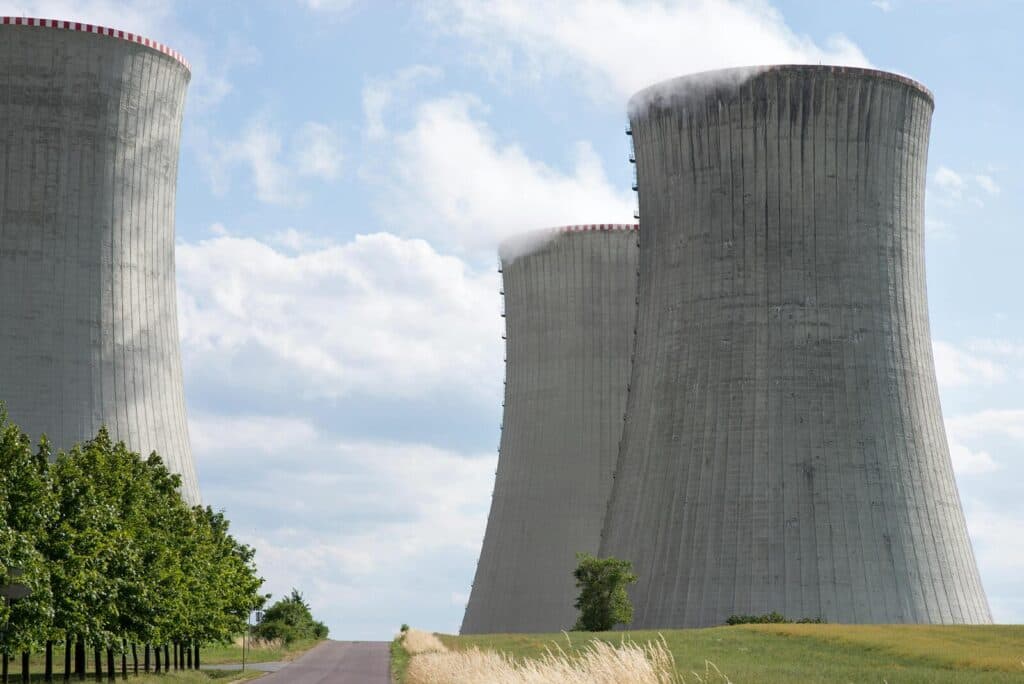
The draft plan envisages the construction of new nuclear units with a total installed capacity of up to 4 GW, expected to be commissioned in 2035-2041. It should be noted that many experts believe that commissioning even a single unit by 2040 would be a considerable success.
Another major unknown is the estimated cost of the new nuclear units. Based on a leaked classified report, Seznam Zprávy claims that the cost of 4 new units will amount to around CZK 1.75 trillion. Government representatives have so far presented the cost of 1 unit in 2020 prices, with “overnight” construction costs of CZK 160 billion.
Nuclear energy is expected to account for approximately a 50% share of domestic electricity generation by 2050. If Czech electricity consumption were around 100 TWh and the country were to be self-sufficient, this would represent 50 TWh/year. For comparison, generation at the existing nuclear power plants amounts to around 30 TWh/year.
Renewables and hydrogen market development
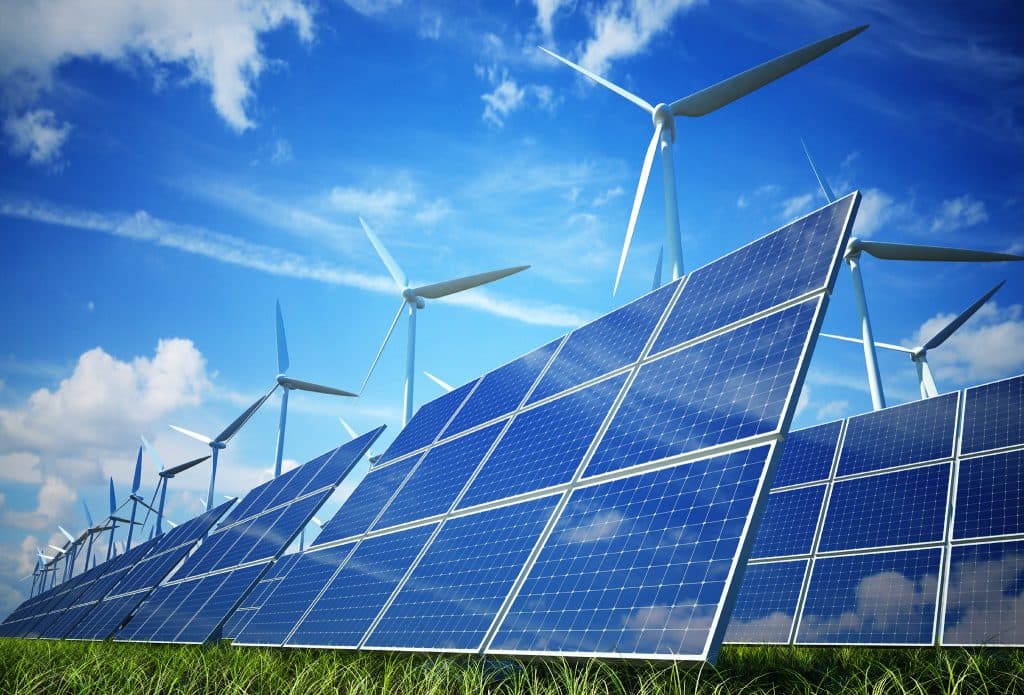
According to the proposal, installed solar PV capacity is to increase to 10.1 GW by 2030, while installed wind power capacity is to reach 1.5 GW. As of 30 June 2023, installed capacity stood at 2.23 GW for solar PV and 0.35 GW for wind power.
This brings us to permitting processes. To ensure the plan is not pure fiction, permitting processes must be considerably shortened. This is to be helped by the revision of the European Renewable Energy Directive, under which permitting processes are to be significantly shortened. Its wording was recently approved by the European Parliament.
This is also linked to the establishment of so-called “go-to zones”, where permitting processes should take up to one year. Go-to zones are designated areas suitable for renewable energy construction. Their designation is currently being carried out, for example, by the Ministry of the Environment. In other locations, permitting processes should not exceed two years. Implementation of the European directive will therefore be crucial once it enters into force.
In terms of developing the hydrogen economy, the plan envisages production of 32 thousand tonnes of green hydrogen in Czechia in 2030 from surplus green electricity. Assuming a requirement of 55 kWh to produce 1 kg of hydrogen, the surplus would thus need to amount to 1.76 TWh/year.
At an EGÚ Brno conference, René Neděla, a representative of the Ministry of Industry and Trade, presented that Czechia will require 1.4 GW of new gas-fired capacity in 2030. According to representatives of ČEPS, however, Czechia will need 2.8 GW of new dispatchable capacity by 2030 under a decarbonisation scenario. Ensuring its construction will likely not be possible without introducing capacity mechanisms.
Translation disclaimer
This article is a machine translation of the Czech original and has not yet been fully reviewed. In case of any doubt, please refer to the Czech version.