
23 October 2026, 14:38
Loading...
Regulated energy price component for Czech households set to rise by hundreds of crowns on average

oEnergetice.cz, ČTK
30 October 2025, 12:44
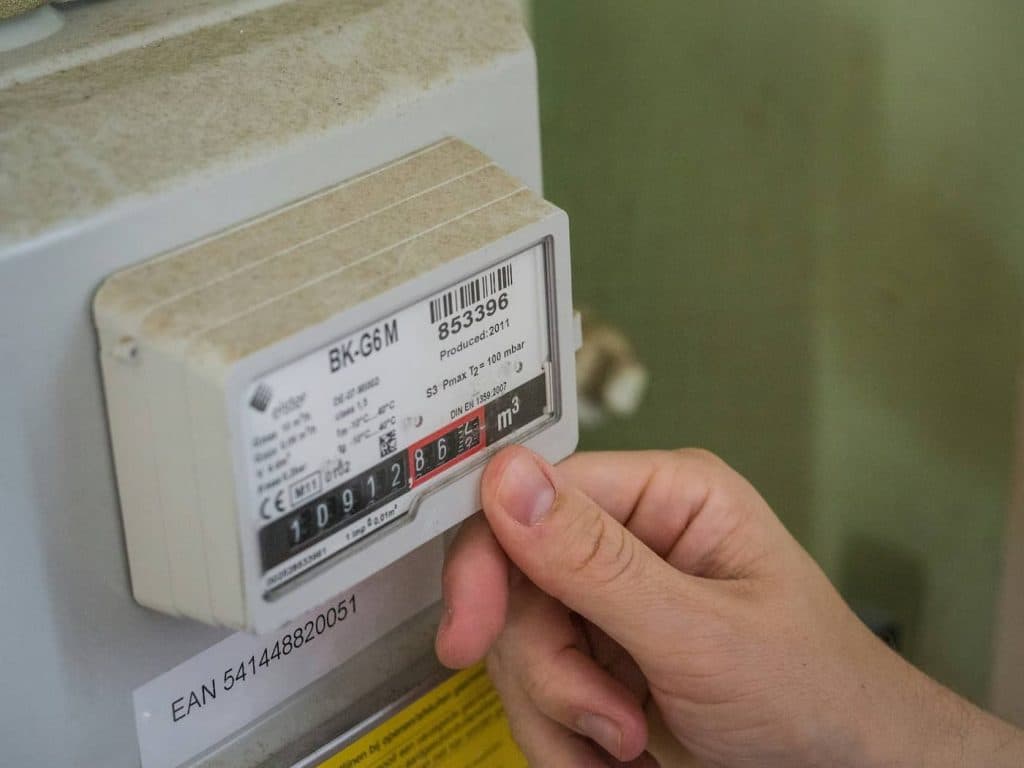
The regulated component of energy prices for households will rise by hundreds of crowns on average next year. This is what the proposal by the Energy Regulatory Office (ERÚ), which has launched consultations on it, envisages. The state-set portion of household electricity prices is expected to increase by 2.7 percent compared with this year, and the gas component by 4.7 percent. These are not yet final prices, however, and the amounts could still change significantly. ERÚ Council Chairman Jan Šefránek told reporters today.
The proposals published by the office are based on currently approved state contributions, including subsidies for supported energy sources (POZE) of 24.6 billion Kč. ANO, the winner of the parliamentary election, has said that if it forms a government, it will seek to transfer all POZE costs to the state, which would reduce consumers' costs by around 20 billion Kč. ERÚ is prepared to adjust regulated energy prices immediately if changes are made. Transferring all POZE costs to the state would, conversely, reduce regulated prices for households by about 15 percent, the office said today.
"We stand by our promise to reduce the regulated electricity component by transferring payments for renewable energy sources. Under the current plan, regulated component prices for households would rise by 2.7 percent; after our measure, they will fall by 15.1 percent," Karel Havlíček, ANO's first deputy chairman, told the Czech News Agency.
For high and very high voltage, he said, this will mean an even larger price reduction.
"This is not only a promise fulfilled, but also an entirely rational economic step that will help maintain businesses' competitiveness, and thus their ability to invest, provide jobs and pay taxes. At the same time, it will help households, which will no longer pay some of the highest prices in the EU," added Havlíček, who could once again serve as industry and trade minister in a future ANO, SPD and Motorists government.
The final energy prices paid by consumers consist of a commercial component and a regulated component. Suppliers determine the commercial part, while the state sets the regulated part through ERÚ. Next year, the regulated component will account for more than 45 percent of the final price for household electricity and around 25 percent for gas. The regulated component will make up a smaller share of the final price for large consumers. The regulated part of the price mainly includes charges for transmission and distribution, as well as, for electricity, a contribution to renewable energy sources.
Under current conditions, ERÚ expects the regulated component of electricity prices at low voltage, mainly for households, to rise by 2.7 percent. That would mean an increase of about 75 Kč per megawatt-hour (MWh) consumed, with average household consumption at around three MWh a year. For larger consumers connected to high voltage, the office has instead proposed a 2.7 percent decrease, and a 7.3 percent reduction for very high voltage. This would represent a decrease of tens of crowns per MWh.
For gas, ERÚ currently expects the regulated component to rise by 4.7 percent for small consumers, or around 22 Kč per MWh. For large consumers, the office has proposed a 4.5 percent increase, or roughly ten crowns per MWh.
Šefránek said the office's proposal takes into account increased costs for modernising and operating the networks. In contrast, falling costs for covering technical losses and providing system services, as well as a slight recovery in international gas transit through Czechia, are having a positive effect on prices, he said. ERÚ noted that the final regulated prices could still change, particularly if the incoming government coalition proceeds with the measures it has announced.
"If the state takes over all funding for support for POZE, as currently announced, ERÚ will promptly reflect this in its price decisions. By way of illustration, at low voltage this step would lead to an average reduction of around 15 percent in regulated prices. The impact would be even greater at higher voltage levels," Šefránek said.
ERÚ representatives said the office would need around 14 days to amend its price decisions if changes were made. Under the law, the office had to launch a consultation process on the proposals. It must issue its final decision on regulated prices for next year by the end of November, and may subsequently amend it.
Translation disclaimer
This article is a machine translation of the Czech original and has not yet been fully reviewed. In case of any doubt, please refer to the Czech version.
Sdílejte článek prostřednictvím:
You might also like


23 October 2026, 11:01


23 October 2026, 06:34