
23 October 2026, 14:38
Loading...
Solar panels above potatoes and hop fields: Farmers will be able to grow crops and generate electricity at the same time
Ekonews.cz
21 February 2023, 14:34
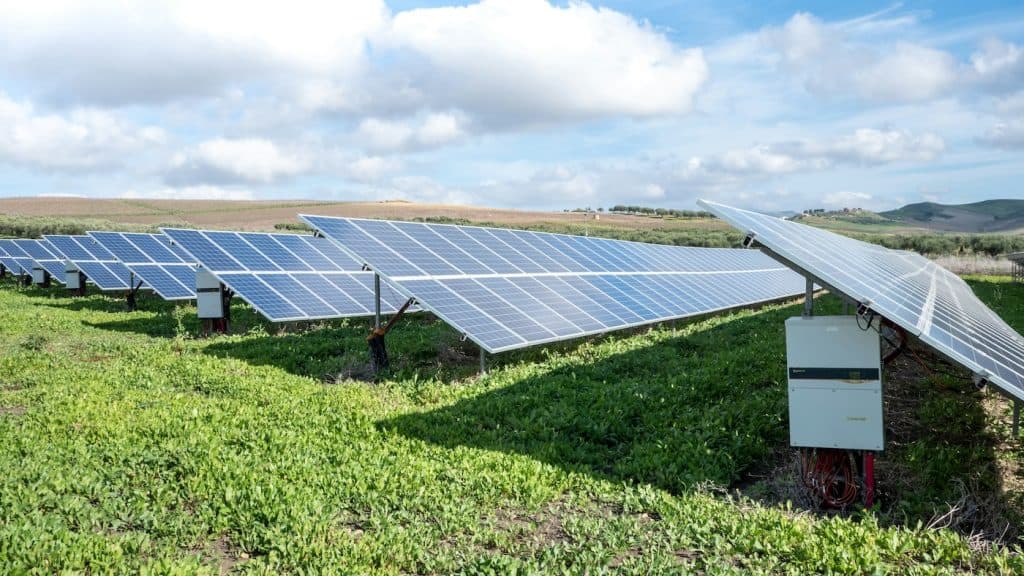
Solar panels above vineyards or hop fields may soon also be seen in Czechia. A combination of crop cultivation and electricity generation, known as agrivoltaics, is being enabled by an amendment to the law being prepared by the Ministry of the Environment. It is expected to be completed in March.
Thanks to their own electricity source, farmers will save on energy costs. They do not have to use the electricity generated solely themselves; they can sell it to the grid.
However, combining agricultural production with electricity generation is not suitable for growing all plants. Solar panels shade the plants beneath them. Some crops, such as potatoes, do not mind receiving less sunlight, while shade is detrimental to others. At the same time, photovoltaics protect crops from heavy rain, bird attacks or falling hailstones.
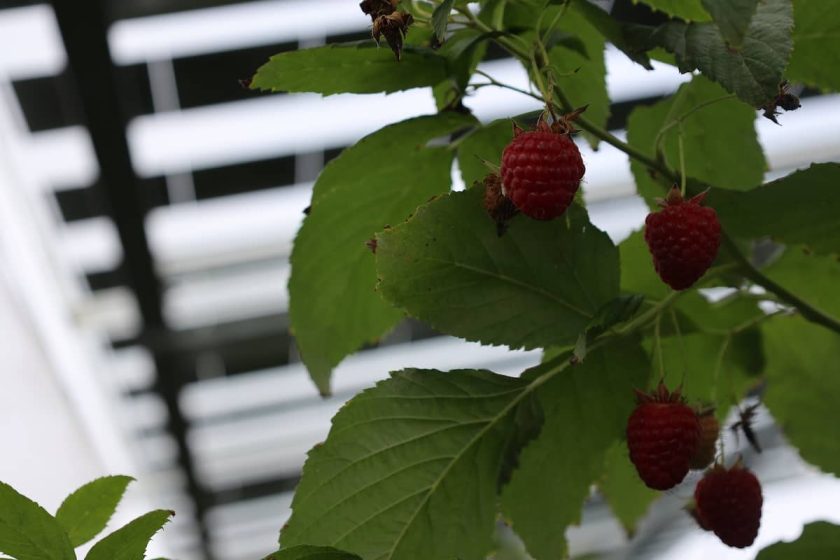
Agrivoltaics is only just getting under way in Czechia, with no completed project yet in operation. “The furthest advanced is Zenergo, which will begin building an 800 kWp facility in South Moravia in the first half of 2023, despite legal obstacles,” says Martin Abel of the Agrivoltaics Club.
It will probably be the first company in Czechia to embark on electricity generation combined with crop cultivation. According to Abel, other companies are still waiting.
The previous proposal was out of touch with reality
The reason for this cautious wait-and-see approach is the lack of legislation. But that will soon change. The Ministry of the Environment has already sent an amendment to the Agricultural Land Protection Act for consultation, which in addition to combating erosion also regulates agrivoltaics. “We would like to submit it to the government by the end of this March,” Deputy Environment Minister Petr Hladík (KDU-ČSL) confirmed to Ekonews.cz.
The Ministry of the Environment has already discussed the amendment once. However, so many comments were received during May and June last year that the ministry reworked the proposal and submitted it again for consultation in a new form.
“The Ministry of the Environment’s previous proposal introducing agrivoltaics was simply out of touch with reality. A farmer interested in agrivoltaics was first supposed to apply for a change to the zoning plan, have the land removed from the agricultural land fund, say goodbye to subsidies and grow at most fruit or wine. Rightly punished for a good intention, Abel describes the ministry’s original plans.
According to him, the current version of the amendment is more favourable for those interested in agrivoltaics. Under the amendment, land on which a farmer simultaneously grows crops and generates electricity remains part of the Agricultural Land Fund. The operator of photovoltaic panels above a field can also receive subsidies and does not have to pay levies.
List of suitable crops to be drawn up later
If the law passes in this form, before installing photovoltaic panels, a farmer will only need to obtain zoning and building permits. They will also need approval from the Agricultural Land Fund protection authority for the plan to combine electricity generation with crop cultivation. And after obtaining all the necessary permits, they will have to communicate with authorities that will monitor whether they meet the conditions laid down by the law.
Under the original proposal, farmers could install agrivoltaics only above orchards, hop fields or vineyards, i.e. so-called permanent crops. This condition is no longer included in the new version of the amendment. “However, a detailed list of crops above which photovoltaics can be installed will only be set out in an implementing decree,” added Deputy Minister Hladík (KDU-ČSL).
According to Abel, the amendment has shortcomings despite the revisions. “It makes no sense for the state to place a greater administrative burden on smaller installations, typically research projects, than on those above 1 MW. The law should finally move away from seeking a single purpose for land,” he says. He also notes that he sees no compelling argument for not allowing vertical agrivoltaics in protective strips on arable land.
Republished from the online portal EkoNews.cz, a website covering business and sustainability.
Translation disclaimer
This article is a machine translation of the Czech original and has not yet been fully reviewed. In case of any doubt, please refer to the Czech version.
Sdílejte článek prostřednictvím:
You might also like
23 October 2026, 11:01
23 October 2026, 06:34