
23 October 2026, 14:38
Loading...
ČEPS recommends keeping two units at Czechia's Chvaletice coal plant in operation

oEnergetice.cz, ČTK
27 January 2026, 11:24
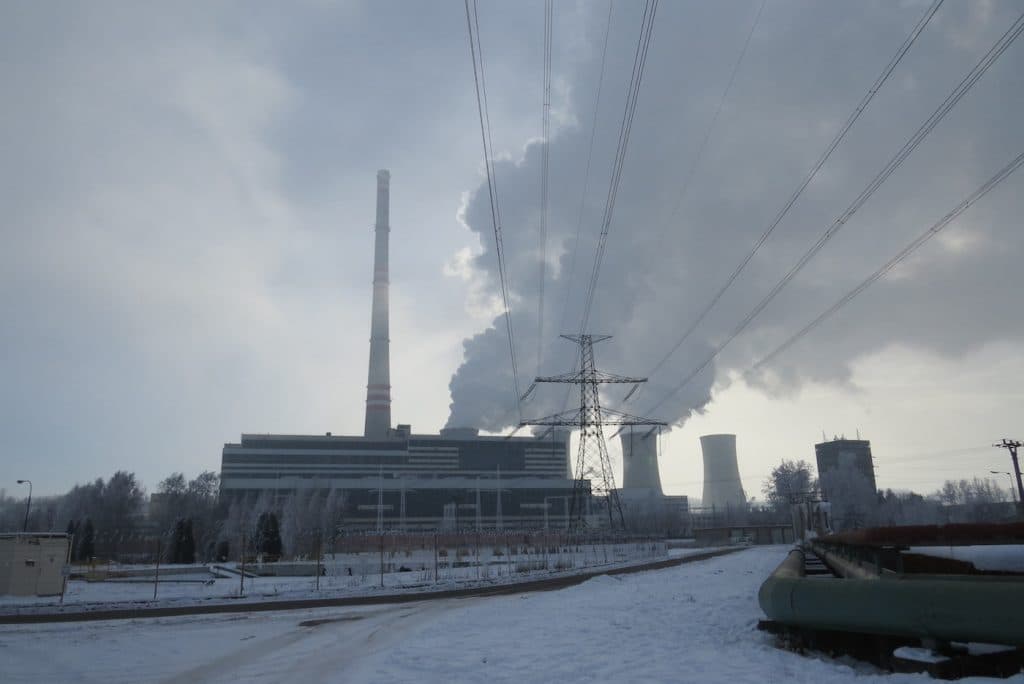
Transmission system operator ČEPS has recommended temporarily keeping two of the four units at the Chvaletice coal-fired power plant in operation. Energy group Sev.en is preparing to shut them down around the turn of the year. According to a ČEPS analysis, however, the units are essential for the secure operation of the Czech electricity system. By contrast, the planned closure of the Počerady power plant and the coal-fired part of the Kladno heating plant, also owned by Sev.en, will not jeopardise the operation of the grid. This is according to a ČEPS analysis published today. The Energy Regulatory Office (ERÚ) will decide on the plants’ future operation and will now assess the economic costs.
Industry and Trade Minister Karel Havlíček (ANO) said the analysis showed that the security and reliability of electricity and heat supplies were decisive. “We respect ČEPS’s position. The next steps will follow the Energy Act precisely. This means that ERÚ will now calculate the price for providing capacity,” Havlíček added. ČTK is seeking comment from Sev.en.
At the end of November last year, Sev.en, owned by businessman Pavel Tykač, announced that it would shut down the Počerady and Chvaletice coal-fired power plants and the power plant and heating plant in Kladno this December, or by March 2027 at the latest. It cited the threat of persistent losses due to the outlook for market electricity prices and emissions allowance prices. According to the Sev.en website, the plants have a combined installed capacity of around 2400 megawatts (MW), while the Kladno facility also has a thermal capacity of more than 950 MW.
The ČEPS analysis has now shown that fully shutting down the Chvaletice power plant could, in some operating conditions, cause problems with voltage control in the northern part of the transmission system, increase the risk of overloading selected lines and weaken the system’s ability to recover after a widespread power outage.
“To maintain system adequacy, it is therefore essential to temporarily keep two units at this power plant in operation until related measures are implemented. One of these is converting one of the Chvaletice units into a so-called synchronous condenser, which can absorb reactive power,” ČEPS Chairman of the Board Martin Durčák explained. So-called reactive power is not used to perform useful work, but is essential for the operation of many electrical devices.
According to the study, by contrast, shutting down the power plants would not lead to an electricity shortage in Czechia. ČEPS says the Czech energy sector will continue to have sufficient generation sources and import capacity throughout the year to meet electricity demand. There will also be sufficient balancing capacity for balancing services.
As part of its analysis, ČEPS also proposed several measures that would make it possible to shut down Chvaletice completely in the future. In addition to converting one unit into a synchronous condenser, these include installing new compensation equipment (reactors), strengthening 400 kV transmission routes in northern Bohemia and verifying new backup routes in practice in the event of a grid outage. However, according to the system operator, these measures require investment, international coordination, technical preparation and testing, so the Chvaletice power plant must remain in operation at least on a limited basis until they are implemented.
The analysis results will now be sent to the Ministry of Industry and Trade, ERÚ and Sev.en. The regulatory authority will now consider the economic costs of continuing to operate the coal-fired units, which ČEPS did not examine in its analysis. ERÚ will also make the final decision on the plants’ future operation.
The Czech Energy Association, which brings together the most important players in the Czech energy sector, used the report to call for the swift introduction of so-called capacity mechanisms—a system that would guarantee investors at least partial returns on their investments in new generation sources through state support.
“The decline in capacity caused by the shutdown of coal-fired power plants cannot be offset by the free market alone. The share of renewables with limited control over their output is rising sharply, while new dispatchable sources will operate only when renewables are not generating—that is, for only a small part of the year. The necessary new investments cannot be paid for from such limited operating hours,” warned the association’s executive director, Josef Kotrba.
He said the state should therefore establish and notify capacity mechanisms for new sources as soon as possible, so that the necessary investments can follow
Translation disclaimer
This article is a machine translation of the Czech original and has not yet been fully reviewed. In case of any doubt, please refer to the Czech version.
Sdílejte článek prostřednictvím:
You might also like


23 October 2026, 11:01


23 October 2026, 06:34