
23 October 2026, 14:38
Loading...
Temelín in Czechia checks more than 700 meters of piping with a new method while operating

oEnergetice.cz, ČTK
9 October 2024, 12:28
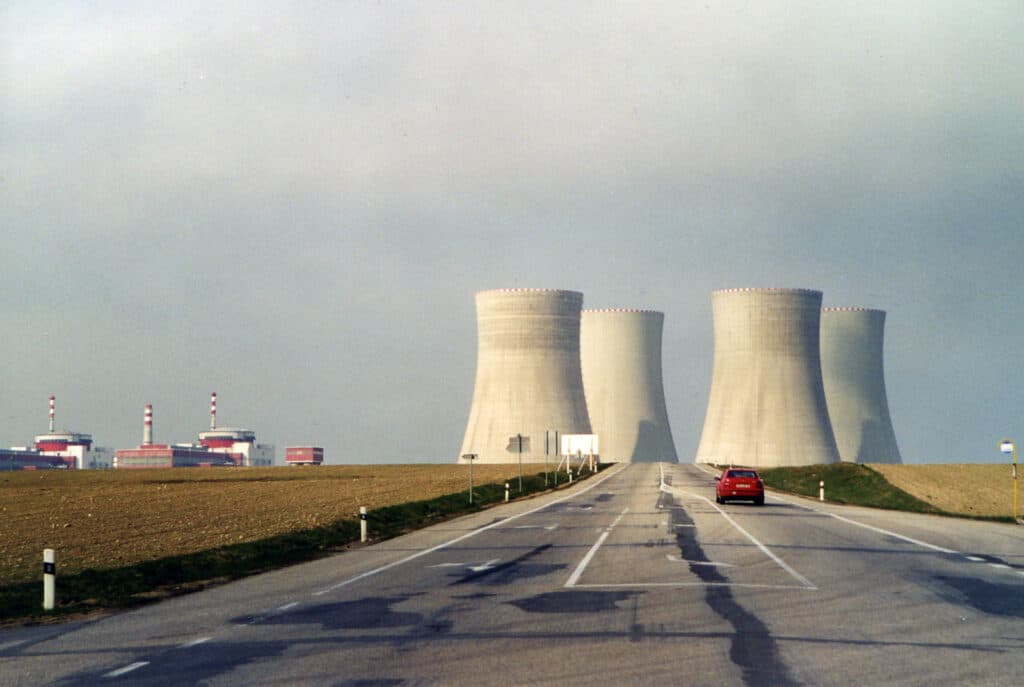
Temelín nuclear power plant has inspected more than 700 meters of piping this year using a new method while the plant remained in operation. Technicians attach sensors to the outside of pipes carrying essential service water and monitor electromagnetic waves as they travel through the metal walls. A change in the direction of the waves indicates a defect inside or on the surface of the material. The plant is using the method for the first time this year. Experts from the International Atomic Energy Agency praised its use during a recent mission to the South Bohemian plant, spokesperson Marek Sviták told the Czech News Agency (ČTK) today.
„A major advantage is that we can inspect the piping while it is in operation. All we have to do is fit a probe, which inspects a 1.2-meter section in two hours. The probe is moved along gradually, and this is now a very simple process,“ said Jan Kruml, director of Temelín Nuclear Power Plant, commenting on the non-destructive BEM method.
The plant has long used a system that measures the thickness of service water pipes at selected points. There are several thousand such points along the pipes, and experts regularly assess the readings. „We will keep the existing method; the new one complements it well. Introducing new inspection methods and knowing the condition of key equipment are essential to ensuring that both our nuclear power plants can operate for at least 60 years,“ added Bohdan Zronek, a member of ČEZ’s board of directors and director of its nuclear energy division.
The piping is nine kilometers long in total. Energy sector staff will use the new method only on selected, most critical sections. They plan to inspect around one kilometer a year using the new approach.
Since the beginning of the year, Temelín power plant has generated 12.1 terawatt-hours of electricity.
Translation disclaimer
This article is a machine translation of the Czech original and has not yet been fully reviewed. In case of any doubt, please refer to the Czech version.
Sdílejte článek prostřednictvím:
You might also like


23 October 2026, 11:01


23 October 2026, 06:34