
23 October 2026, 14:38
Loading...
Temelín in Czechia strengthens reactor water cooling with four new mobile pumps

oEnergetice.cz, ČTK
8 January 2025, 15:47
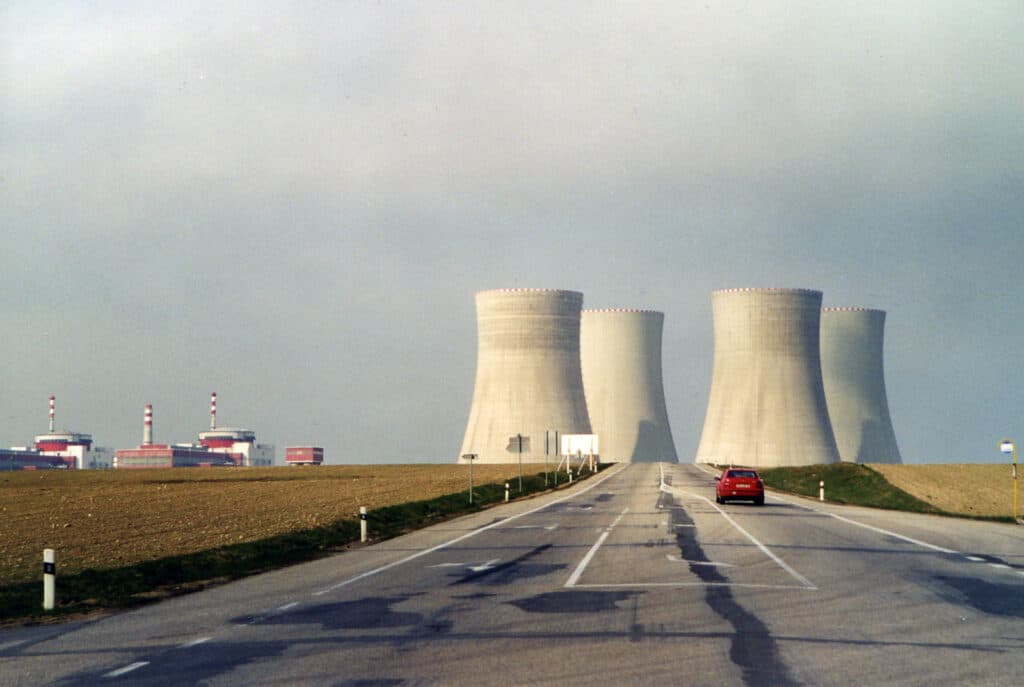
The Temelín Nuclear Power Plant has strengthened its reactor water cooling safety system. Since the start of the new year, it has been able to use four new mobile pumps powered by diesel engines. They are ready for use in the event that the plant loses power. ČEZ invested hundreds of millions of crowns in purchasing them and laying hundreds of metres of piping to the reactors, Temelín spokesperson Marek Sviták told the Czech News Agency today.
Temelín uses various independent systems to cool its reactors, most of which require electricity to operate. That is also why Temelín has more than a dozen ways to provide power for its safety systems. If these systems were nevertheless to lose power, Temelín has other systems available that do not depend on electricity, including the newly acquired pumps. „These are four mobile pumps for two different cooling systems. Although I hope we will never need to use them, this further safety enhancement at the plant is very important. We are keeping pace with the best practices worldwide,” said Jan Kruml, director of the Temelín Nuclear Power Plant.
The pumps are housed in rugged, mobile containers. If needed, firefighters will move them into position and, together with other technicians, connect them to piping routed outside the units and diesel generators. Temelín now has six pumps that do not depend on electricity, Sviták added.

ČEZ is continuously modernising its nuclear power plants at Temelín and Dukovany to ensure they can operate for at least sixty years. Last year alone, it carried out more than two hundred investment projects at Temelín, worth around three billion crowns. „Modernisation and enhanced safety are part of the long-term operation of nuclear power plants. With this measure, we are taking Temelín’s safety far beyond the limits of the original design,” said Bohdan Zronek, ČEZ board member and director of its nuclear energy division.
The Temelín Nuclear Power Plant covers roughly one-fifth of domestic consumption. Last year, it generated 15,004 terawatt-hours. In 2023, it surpassed the 16 terawatt-hour mark for electricity generation for the second consecutive year. In January, it generated 0,3 terawatt-hours of electricity.
Translation disclaimer
This article is a machine translation of the Czech original and has not yet been fully reviewed. In case of any doubt, please refer to the Czech version.
Sdílejte článek prostřednictvím:
You might also like


23 October 2026, 11:01


23 October 2026, 06:34