Data centers as the main driver of electricity demand growth: what will 2026 bring?

The rapid development of artificial intelligence is significantly increasing electricity demand and exposing weaknesses in global energy systems. According to a new analysis by S&P Global Energy, 2026 will be a turning point. The energy sector is coming under pressure from the growth of data centers, changes in renewables and geopolitical shifts.
Data centers powering artificial intelligence are consuming ever more electricity. According to estimates by S&P Global, their consumption will grow by 17% in 2026. By 2030, it could exceed 2 200 TWh a year, equivalent to the current electricity consumption of India.
This development is putting strong pressure on transmission and distribution grids. Energy systems in many countries were not designed to handle such a rapid and concentrated increase in consumption. At the same time, a conflict is emerging between digital growth and climate targets. Around 38% of companies operating data centers still have no carbon-neutrality commitment.
Tech companies seek solutions
Large technology companies are trying to align growth with decarbonization. Companies such as Microsoft, Alphabet and Meta are exploring new electricity procurement models, direct partnerships with generators, and combinations of renewables and storage.
Investment in data centers in the United States could approach 500 billion dollars in 2026. Without a rapid expansion of generation capacity and grid flexibility, however, these investments risk running up against the physical limits of infrastructure.
Solar power slows for the first time
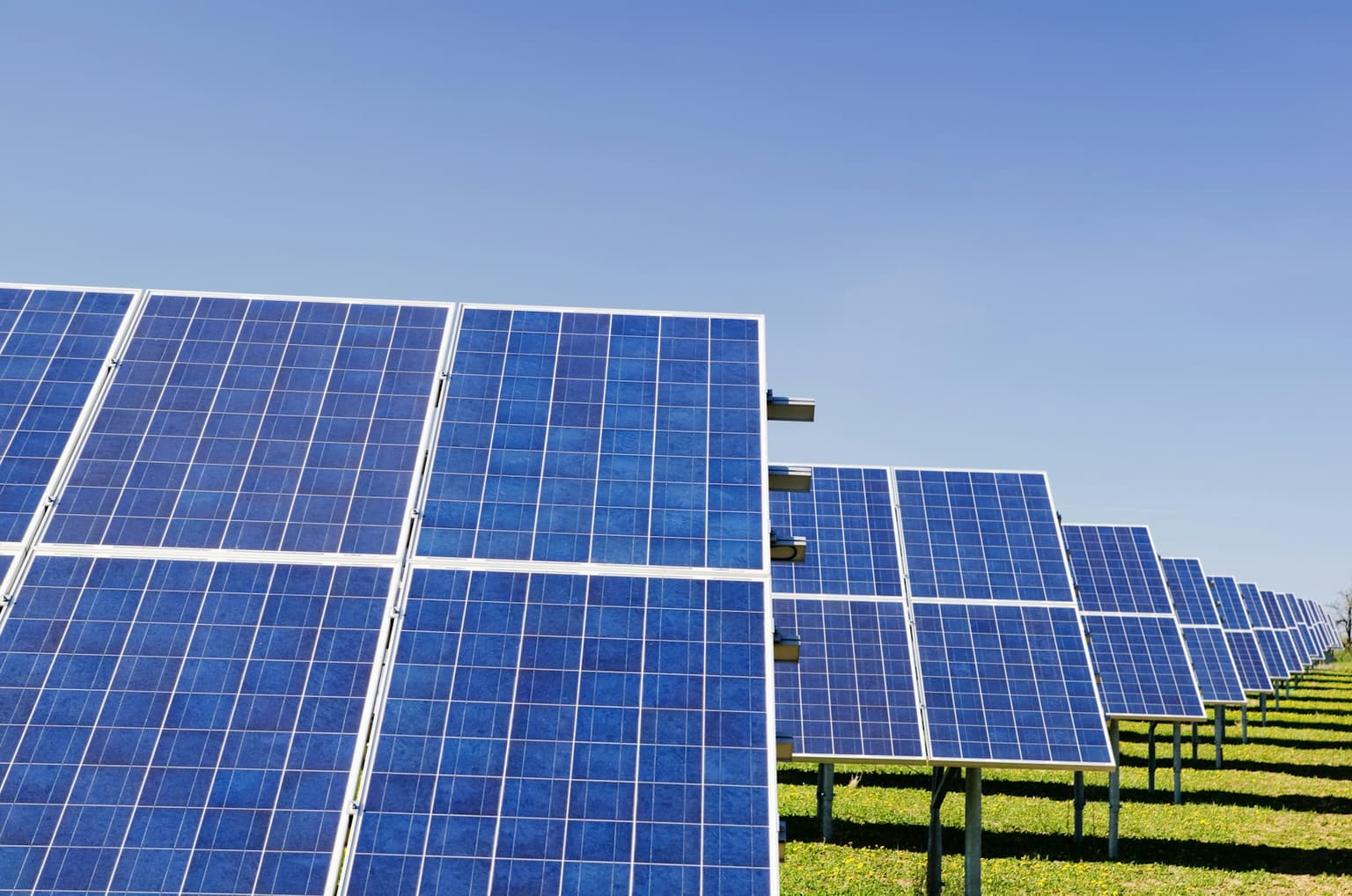
The analysis also highlights changes in renewables. In China, the shift from guaranteed feed-in tariffs to auctions temporarily slowed installations in the first half of 2025. Nevertheless, CPIA raised its forecast for new installed capacity to 270–300 GW in 2025.
For 2026, analysts expect new installed capacity to stabilize at around 250 GW a year. Total installed capacity will nevertheless continue to rise, thanks to cheaper panels, stronger supply chains and the rapid development of battery systems in emerging markets.
Outdated grids are the main bottleneck
Modernizing electricity grids is becoming a key issue. In Europe, around 40% of infrastructure is more than 40 years old. The European Commission estimates that nearly 600 billion euros will need to be invested by 2030.
The United States faces similar problems. Without major investment, grids may be unable to provide enough electricity for the fast-growing data center sector. Grid readiness is therefore becoming a matter of both competitiveness and energy security.
Companies are changing how they buy electricity
Climate risks can no longer be postponed
The S&P Global report also warns of the rising costs of climate impacts. Without better preparation, these could reach hundreds of billions of dollars a year in the 2030s. Climate adaptation is thus becoming an essential part of corporate and government strategies, rather than a voluntary measure.
According to S&P Global, 2026 will test the resilience of energy systems. The combination of rapid AI growth, aging infrastructure and climate pressures is fundamentally changing the conditions for the energy transition.
Translation disclaimer
This article is a machine translation of the Czech original and has not yet been fully reviewed. In case of any doubt, please refer to the Czech version.