Czech electricity prices were significantly higher this July than a year ago, analysts say

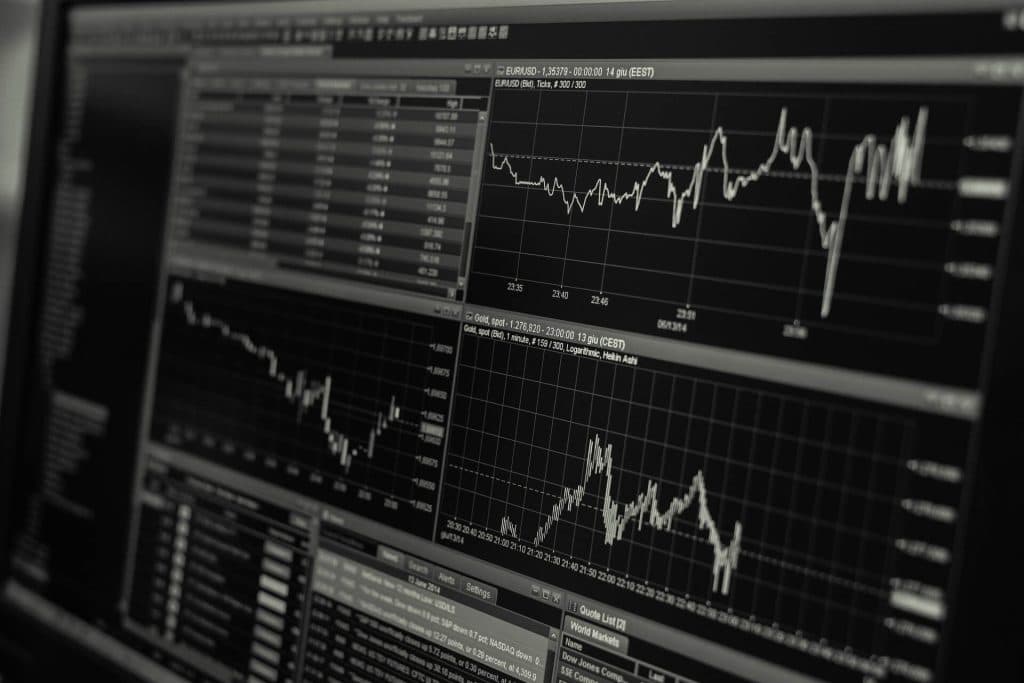
The market price of electricity in Czechia was significantly higher this July than last year. On weekdays, it was almost 12 percent higher, with the median price at 96 euros per megawatt-hour (MWh), or 2361 crowns. At weekends, prices were as much as 90 percent higher than a year ago. Last year, the median price was 72 euros (1771 Kč). One factor, according to analysts, was less favourable weather for solar power generation. Consumption did not rise, however, as cooler weather reduced the need for air conditioning. Jan Palaščák, founder of the Amper energy group, said this in a press release today. As renewable generation grows, established patterns in how electricity prices change throughout the day are shifting.
The most expensive hours included the evening peak at around 20:00, which came an hour later at weekends. The median price during the evening peak was 161 euros per MWh (3960 Kč) on weekdays and 123 euros (3025 Kč) at weekends. “The idea of an energy-cheap weekend and a cheap summer compared with winter and working hours is definitively a thing of the past. The price map fully reflects the new mix of sources, with a higher share of renewables, to which the Czech energy sector has not yet been able to respond fully. This is partly due to delays in the emerging trend of electricity storage, caused by lagging legislation,” Palaščák said.
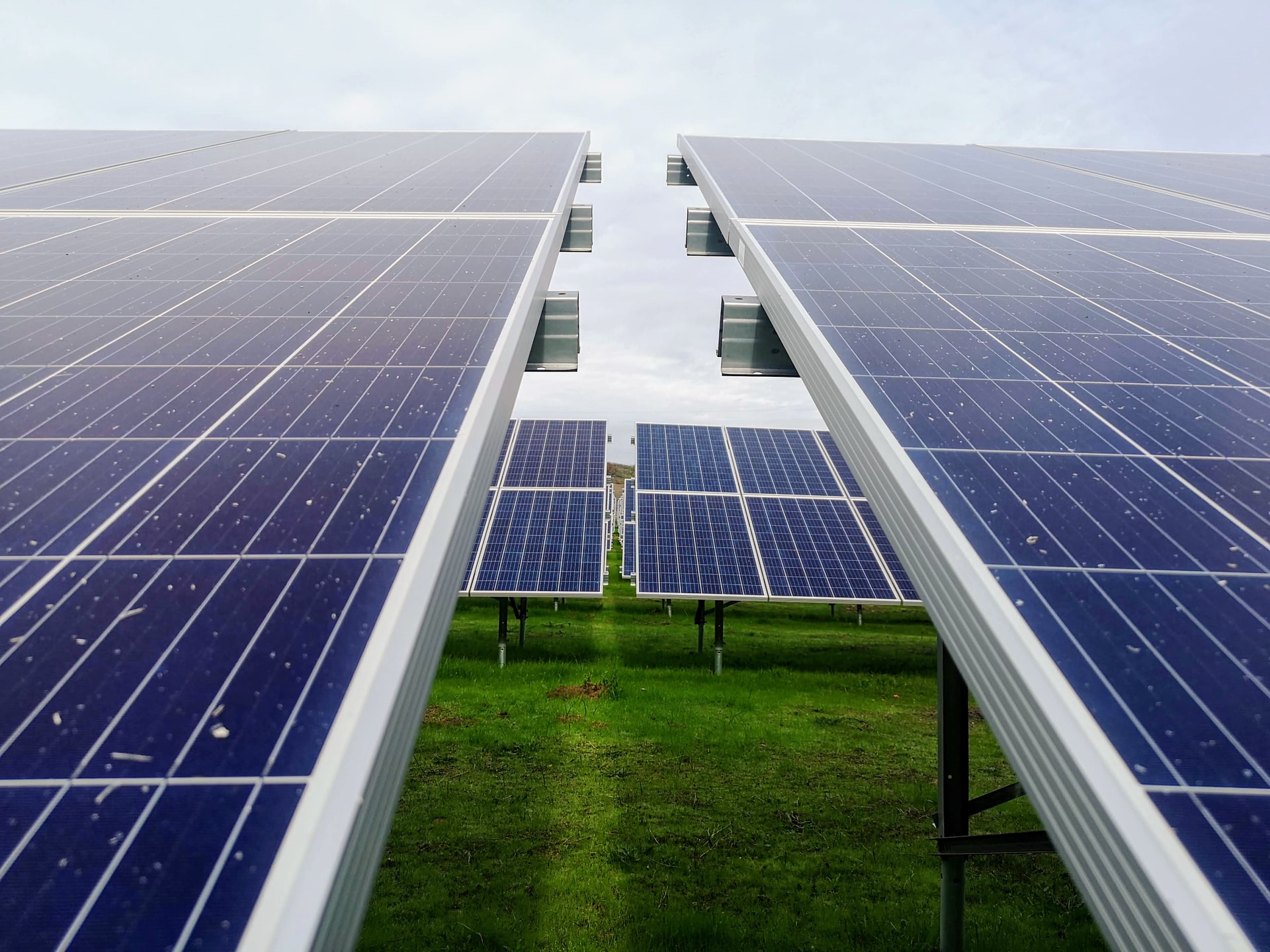
Electricity was cheapest in July between 10:00 and 17:00, averaging 75 euros (1845 Kč) per MWh on weekdays and just 19 euros (467 Kč) at weekends. Between 11:00 and 15:00, it was free or available at a fraction of the price.
The higher prices this July also corresponded to fewer hours with negative prices. Last year, electricity was sold at a negative price for 61 hours; this year, it was just 17 hours, and only at weekends. According to Palaščák, these figures dispel concerns that prices fall into negative territory too often. Greater capacity to store energy should help stabilise prices throughout the day in the future.
Translation disclaimer
This article is a machine translation of the Czech original and has not yet been fully reviewed. In case of any doubt, please refer to the Czech version.