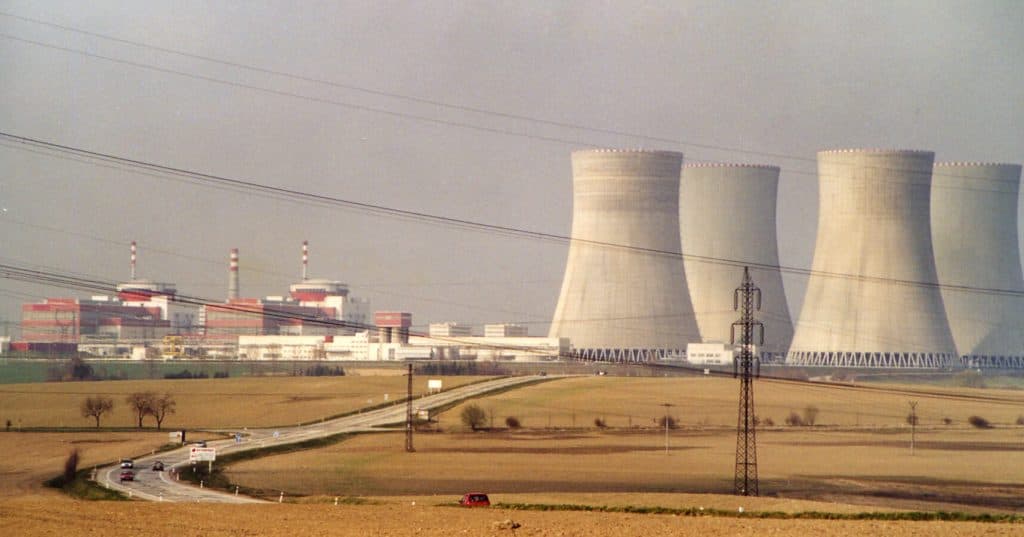
Czech energy prices fell into negative territory over Easter as the grid saw an electricity surplus

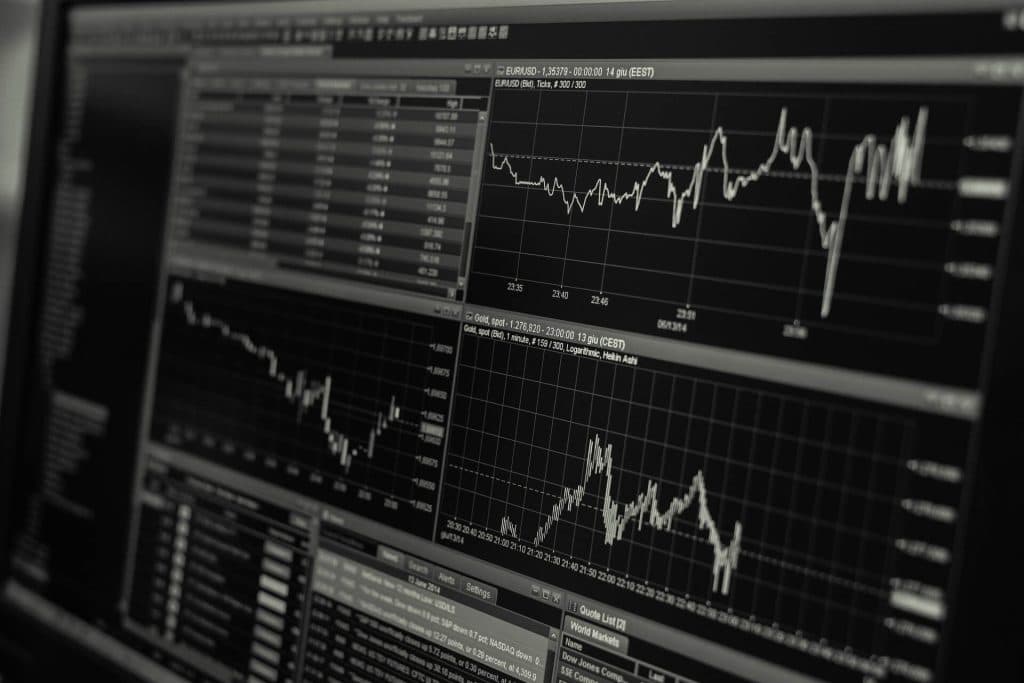
Energy prices on the market fell into negative territory over Easter, reflecting a surplus of electricity in the Czech grid. This was most pronounced on Sunday, when the weather was sunny and consumption was low. However, standard services were enough to balance supply and demand in the system this time, and the state transmission system operator ČEPS did not need to disconnect any power sources from the grid, as it did two years ago. This is according to information from ČEPS.
„Negative prices were recorded on the day-ahead market during some midday hours over the Easter holidays,“ said Lukáš Hrabal of ČEPS.
On Saturday, prices fell close to zero, he said. On Sunday, the lowest price was 85 euros (2130 Kč) per megawatt-hour (MWh) below zero, while on Monday prices fell to minus 22 euros (552 Kč) per MWh.
„As for the balance between generation and consumption, the situation was calm. The standard balancing services in place were enough to balance supply and demand, and no extraordinary measures were needed,“ Hrabal said of the measures taken by the transmission system operator.
ČEPS did not have to disconnect any power sources from the grid this time, unlike during Easter two years ago. On Easter Monday that year, the company disconnected hundreds of solar power plants from the grid for two hours. The reason was an imbalance in the power system. It was the first time ČEPS had used such a restriction in real-world operations.
Traders nevertheless responded to the situation this time. „These extreme situations understandably cause panic in the markets and put strong pressure on intraday trading. Every trader tries to balance their position as quickly as possible so as not to worsen an already tense situation,“ said Petr Foitl of Solar Global Energy. He said the costs of negative prices can often be more rational than risking a significantly higher imbalance penalty, which ČEPS would have to settle on the trader’s behalf.
Translation disclaimer
This article is a machine translation of the Czech original and has not yet been fully reviewed. In case of any doubt, please refer to the Czech version.