
23 October 2026, 14:38
Loading...
Montel analyst: Splitting Germany's bidding zone will not solve grid congestion

David Vobořil
25 July 2024, 10:55
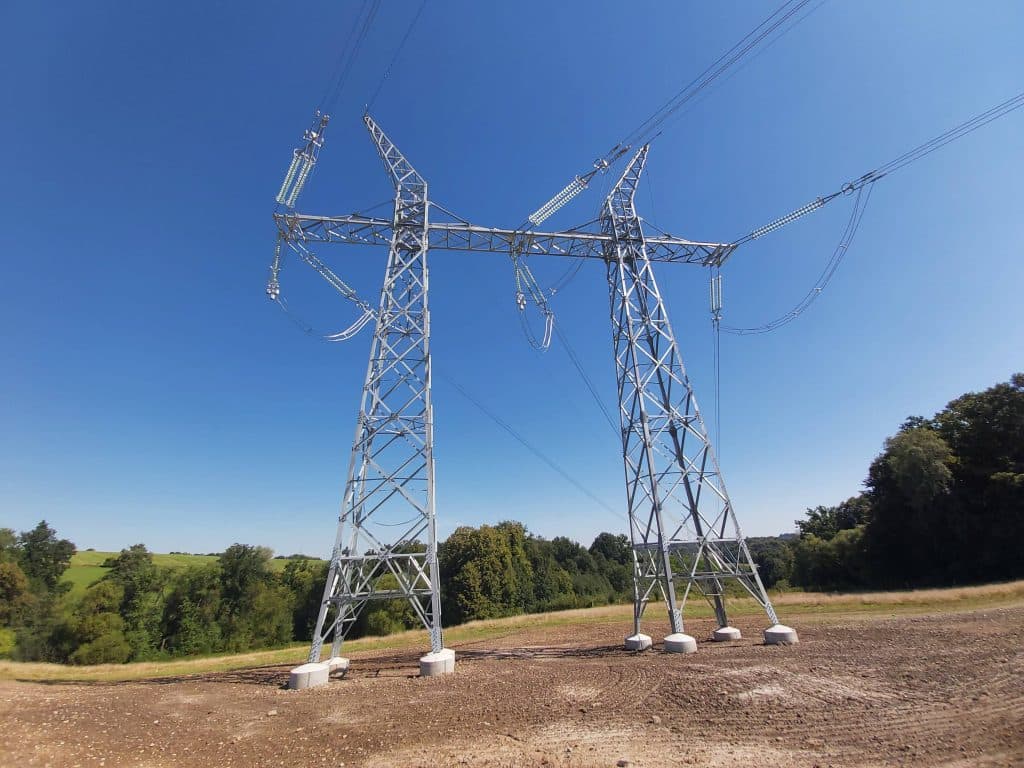
Splitting Germany's single electricity market bidding zone into two or more bidding zones will not solve grid congestion, a Montel Analytics analyst said. This statement contradicts an assessment by leading energy economists earlier this month.
Europe's energy regulator ACER has proposed splitting Germany's bidding zone, Europe's largest single electricity market. The reason is bottlenecks in the German transmission system, which would lead to line congestion without costly interventions by transmission system operators.
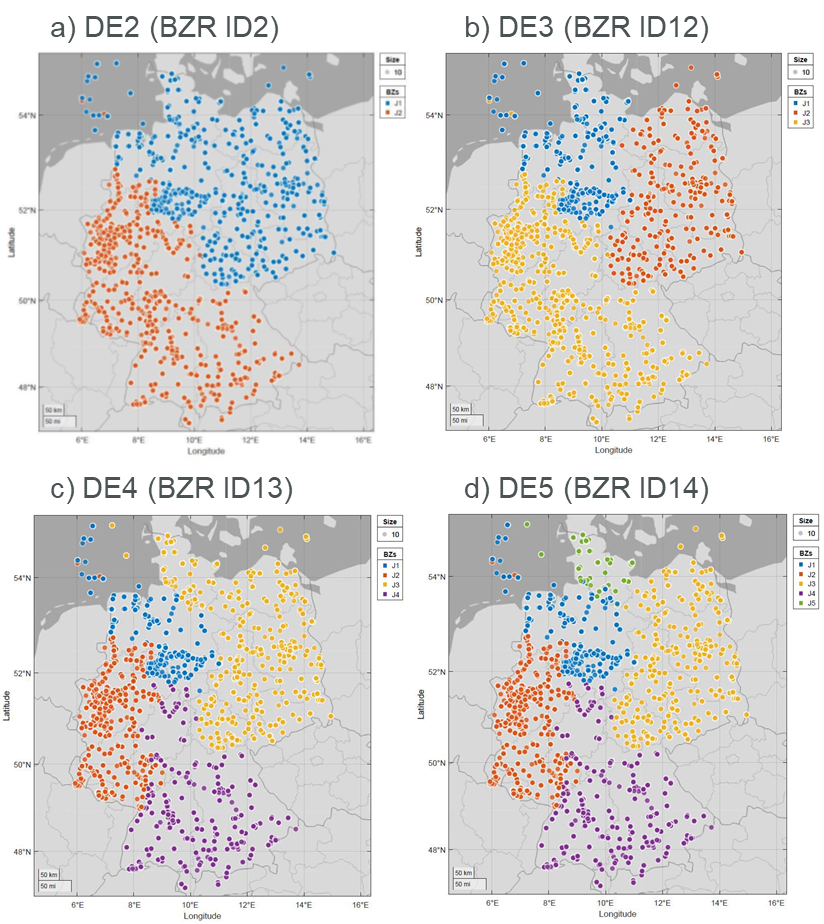
Alternative configurations of bidding zones for Germany. Source: TenneT
Bidding zone configurations in Europe are regularly assessed against possible alternatives. One alternative to Germany's single bidding zone is, in the analysis currently underway, to split it into two, three or four smaller bidding zones.
European transmission system operators are due to complete the ongoing bidding zone analysis by the end of the year. National regulatory authorities will then have six months to decide on any changes.
Tobias Federico, chief executive of Montel Analytics, said that the higher costs of stabilising the system due to the need for redispatch are caused not by a single price zone, but rather by bottlenecks in the grid. He said more investment in grid expansion was needed to solve the problem, and that creating additional bidding zones would not incentivise such investment.
"Price zones in practice do not incentivise the right investments, either in grid infrastructure or in the right locations for power plants. Price signals within zones or price differences between them are either too small or, above all, too volatile to make investment decisions based on them alone," Federico said.
Twelve economists said in an open letter earlier this month that splitting the zones would better reflect market realities and provide more flexibility than a single price zone. Last year, analysts estimated that splitting the price zones could result in prices in northern Germany being around 10 EUR/MWh lower than those in the south.
"The disadvantages of a common price zone will increase massively in a world where flexibility no longer essentially comes from power plants," Christoph Maurer, chief executive of energy consultancy Consentec, said on social media platform X over the weekend.
He added that price signals are needed to create greater demand-side flexibility and increase storage capacity. But Federico said there are no incentives to invest in grid expansion or technologies that increase flexibility.
Industry opposes splitting Germany's bidding zone
The slow expansion of Germany's transmission grid is repeatedly cited as a reason to split the single price zone. The northern federal states, with their high wind power generation, support the idea, while industrial regions in the south and west of the country oppose it over concerns that electricity prices would rise.
On Monday, 11 industry associations, including VIK, BDEW, VKU and Efet, issued a statement in favour of maintaining a single bidding zone, saying it ensures transparent long-term prices on the wholesale electricity market. The associations said smaller bidding zones create greater price fluctuations, increasing investor uncertainty and leading to lower investment in the grid and renewable energy.
Translation disclaimer
This article is a machine translation of the Czech original and has not yet been fully reviewed. In case of any doubt, please refer to the Czech version.
Sdílejte článek prostřednictvím:
You might also like


23 October 2026, 11:01


23 October 2026, 06:34