13 October 2026, 16:07
Loading...
Negative prices are less frequent in Czechia this year, but the trend varies across Europe

Martin Voříšek
13 October 2026, 11:31
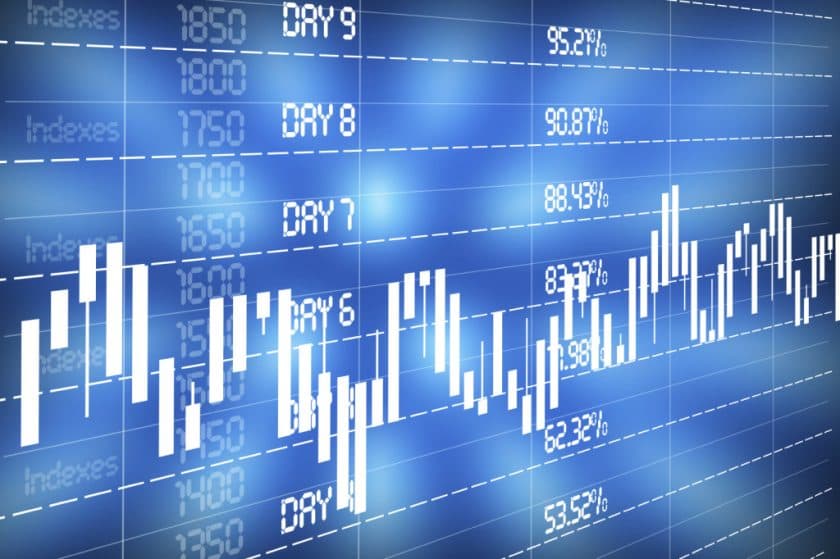
The Czech day-ahead market recorded a total of 278 hours with negative electricity prices from January to September 2026, down 11.7% year on year. Germany saw a similar decline, although negative prices remained more frequent there over the summer. The lower total does not mean, however, that negative prices are gradually disappearing. This year, negative prices were most common in spring and quickly faded as electricity prices generally rose. The trend is quite the opposite in some European countries.
According to Energostat’s monthly data, the Czech Republic recorded no hours with negative prices in January; there were four in February and seven in March. The figure jumped to 94 hours in April, followed by 64 in May and 47 in June. These three months thus accounted for almost three-quarters of all negative-price hours from January to September this year. Negative prices were therefore concentrated in a relatively narrow part of the period under review (note: to ensure consistency with last year’s data, we report negative-price hours, not quarter-hours).
The year-on-year decline did not apply to every month. The number of negative-price hours in April rose from 72 to 94, while the July figure increased from six to 34. In August, however, it fell from 54 to 14 hours. The lower frequency of negative prices is partly linked to current developments in commodity markets. These are being significantly affected by the current geopolitical situation, which is driving energy prices up more generally.
Czech data show a further 14 negative-price hours in September. No negative-price hours have been recorded so far in October, but the available data only run to 12 October. More could therefore occur before the end of the month.
Germany shows a similar trend
Negative prices also became less frequent in Germany. German monthly data show a total of 471 negative-price hours from January to September 2026, compared with 519 over the same period last year, a decline of approximately 9.2%. As in the Czech Republic, the peak came in April, when Germany recorded 123 hours—29 more than the Czech figure.
The most striking difference over the course of the year is evident in summer. Germany recorded 79 negative-price hours in July, 55 in August and 39 in September, more than the Czech Republic in all three months.
Fewer negative-price hours do not necessarily signal a reversal
Bloomberg links negative prices to electricity supply exceeding demand, and their increasing frequency in Europe to the rapid growth of wind and solar capacity, which has not been matched by corresponding development in energy storage, grids and flexible consumption.
The trend in negative prices in Germany and the Czech Republic is not shared by all European countries. In Spain, for example, negative prices are becoming more frequent. According to Energostat statistics, the Spanish market recorded a total of 889 hours with negative prices in the first nine months of the year, compared with just 550 last year.
Kpler analyst Alessandro Armenia attributes Germany’s decline in May and June to higher demand during heatwaves and lower wind power generation. According to data from the Fraunhofer Institute cited by Bloomberg, German electricity consumption was 10% higher year on year from May to July.
Armenia says that, alongside the weather, a change to the support scheme for some German solar power plants also contributed. These plants do not receive subsidies during periods of negative prices, giving them a stronger incentive to curtail output. Support for new power plants works in a similar way in the Czech Republic.
For the full year 2026, Kpler expects the number of negative-price hours in Germany to fall by approximately 13%. However, more than two and a half months remain until the end of the year, so these forecasts may or may not come to pass. If the current geopolitical situation and high natural gas prices persist, however, a significant fall in electricity prices—and therefore a more frequent occurrence of negative prices—is unlikely.
Translation disclaimer
This article is a machine translation of the Czech original and has not yet been fully reviewed. In case of any doubt, please refer to the Czech version.
Sdílejte článek prostřednictvím:
You might also like
13 October 2026, 15:54