23 October 2026, 06:34
Loading...
Another milestone for Germany's energy backbone: First underground cable line is in place

Eduard Majling
24 October 2024, 06:14
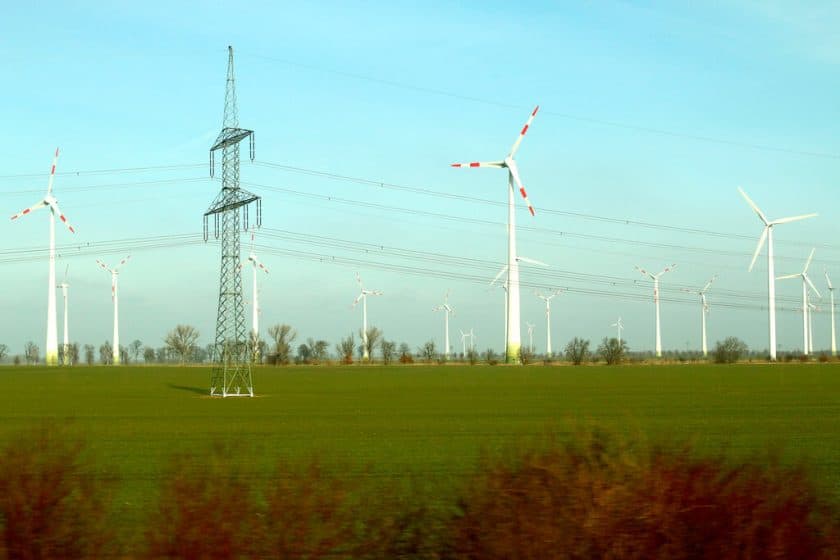
The construction of the SuedLink transmission line in Germany, which is intended to help connect the country's windy north with its sunny south, has reached another milestone. One of the country's transmission system operators has laid the first sections of underground cable. The DC transmission line, with a total length of around 700 km, will run across six federal states and is intended to help make more efficient use of renewable energy sources.
The transformation of Germany's energy sector, also known as the Energiewende, requires not only the intensive development of renewable energy sources but also the expansion of transmission infrastructure. One of its key elements is the SuedLink line, which is intended to help address problems caused by insufficient transmission capacity within Germany.
One of the main benefits is expected to be the connection of the country's sunny, industrial south with northern regions that offer better conditions for harnessing wind energy. Because transmission capacity between these regions is insufficient, wind farms have to curtail their output when generation is very high.
However, lengthy permitting procedures, negatively affected by protests from various groups of residents, have caused significant delays to the construction of this backbone line. While the original plan was for the line to be commissioned in 2022, it is now expected to come online in 2028. Construction of the line itself began last summer, more than a year ago.
The project has now reached another important milestone, with TenneT, one of Germany's transmission system operators, announcing, according to the news outlet Clean Energy Wire, that it has completed the installation of the first sections of underground cable. The project's several-year delay is also linked to the decision to place a substantial part of the line underground, which helped address the aforementioned opposition from residents.
Translation disclaimer
This article is a machine translation of the Czech original and has not yet been fully reviewed. In case of any doubt, please refer to the Czech version.
Sdílejte článek prostřednictvím:
You might also like



22 October 2026, 10:45