
23 October 2026, 14:38
Loading...
ČEPS tests new sustainable ways to maintain Czech transmission line corridors
oEnergetice.cz
20 August 2024, 16:36
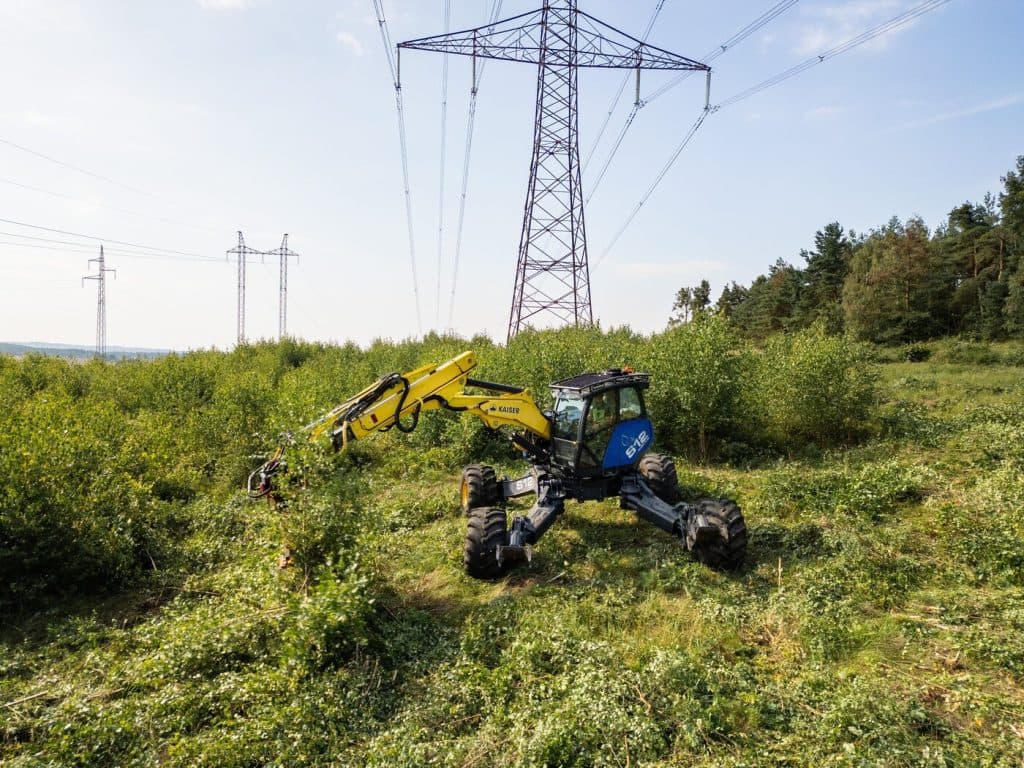
Vegetation beneath the transmission grid in the Písek region is being maintained in a pilot project using sheep of a primitive breed and a walking excavator fitted with a specially developed attachment that cuts volunteer trees while preserving the low herb layer. The aim of this approach, which ČEPS is testing with a contractor, is to support the natural diversity of the landscape and transform it into a diverse and valuable habitat.ČEPS is also involved in environmental projects focused, for example, on reducing the risk of birds colliding with conductors and earth wires, and supporting the saker falcon population by installing nesting platforms on its pylons.
The transmission system operator is currently testing new, nature-friendly ways of maintaining power line rights-of-way (OPV) in the Písek region, at the site of the former Mladotice military tank training ground. It is trialling these methods in cooperation with 1. písecká lesní a dřevařská, which is using them to maintain the right-of-way of the 400 kV line designated V475/476.
An area of around four hectares is grazed by Soay sheep, a wild breed originating from the island of the same name. The animals, which resemble mouflons more than sheep, are undemanding: they do not need shearing, are highly resistant to disease and parasites, and can stay outdoors all year round. Rather than grass, they prefer to browse on a variety of herbs and shrubs, including blackberries, thistles and sloes. They are therefore well suited to grazing in less accessible, nutrient-poor locations.
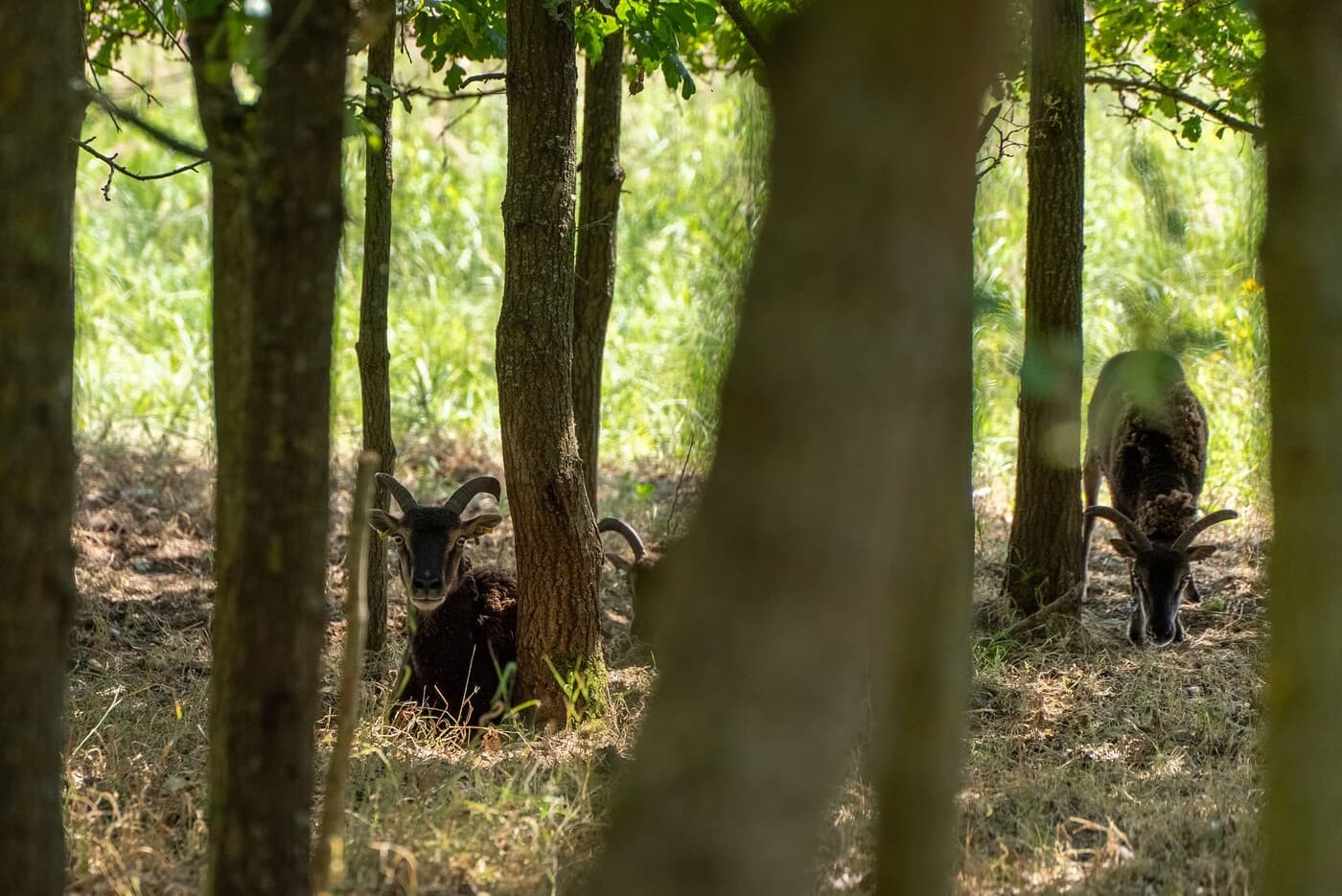
Source: ČEPS, a.s.
Another innovation being tested is the use of a so-called walking excavator.
“Fitted with a specially developed attachment, the walking excavator follows the terrain and can cut volunteer trees while preserving the low herb layer. It is essentially the gentlest technology for removing unwanted trees,” said Jiří Hrbek, Director of Energy Asset Management at ČEPS.
Areas beneath power lines are highly distinctive habitats and are very important for the natural diversity of our landscape. They are often the last places in the countryside not used for conventional farming or forestry. Experts say they are important habitats—and often the last refuge—for many endangered plants, butterflies, solitary bees and wasps, beetles, lizards and birds.
“Areas beneath conductors form a transitional habitat, combining grassland with a mosaic of encroaching shrubs and young trees, as well as flowering meadows and bare patches. This habitat is missing from our landscape, so we need to preserve it to ensure the survival of many rare plant and animal species,” said Martin Kysela of the Nature under the Wires platform, which focuses on promoting the environmentally sensitive maintenance of areas beneath power lines. The platform says this maintenance has a significant impact on preserving the diversity of the Czech landscape.
An OPV is a legally defined area in the immediate vicinity of a power line, where vegetation must not exceed three metres in height in order to eliminate safety risks. Operators of electricity transmission systems are responsible for maintaining these areas if the landowner fails to meet their legal obligation, preventing electrical discharges from jumping from lines to trees. ČEPS arranges maintenance of the transmission system’s rights-of-way through selected contractors.
ČEPS has long been active in environmental protection. Its work includes addressing bird collisions with conductors and earth wires; together with other organisations, it has helped implement numerous measures to reduce risks to birds in the landscape. In cooperation with the Ústí nad Labem City Museum, it also supports the population of the rare saker falcon by installing nesting platforms on transmission system pylons.
Translation disclaimer
This article is a machine translation of the Czech original and has not yet been fully reviewed. In case of any doubt, please refer to the Czech version.
Sdílejte článek prostřednictvím:
You might also like


23 October 2026, 11:01


23 October 2026, 06:34