22 September 2026, 14:20
Loading...
Czech ČEPS joins international TERRE platform for balancing energy

Jan Budín
8 January 2020, 07:58
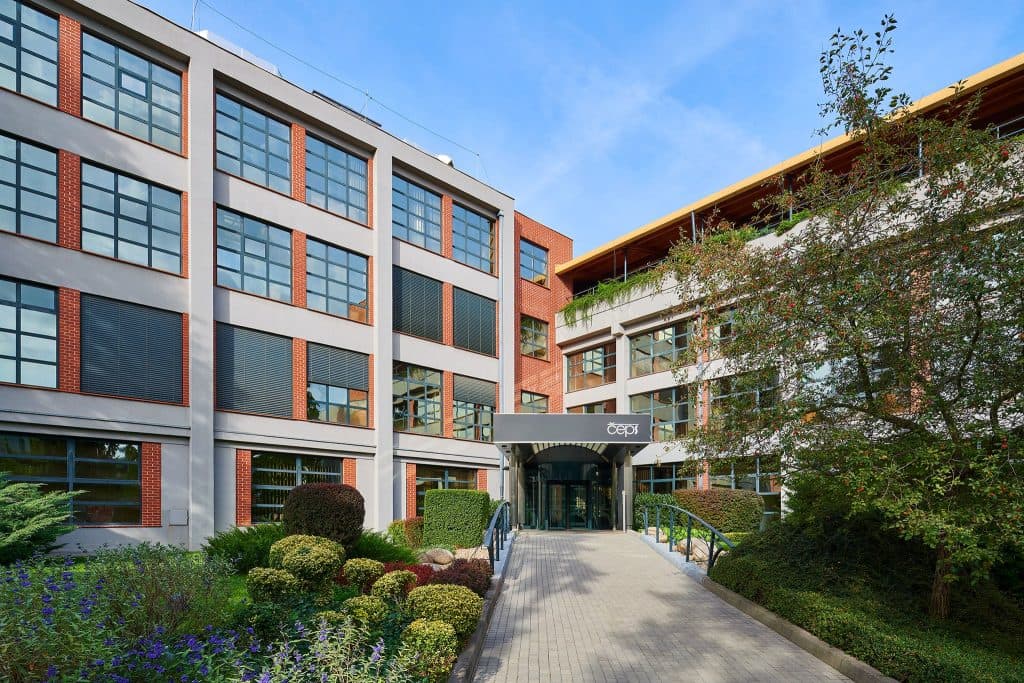
Czech transmission system operator ČEPS, a.s., has become the first European transmission system operator (TSO) to join the international TERRE platform for the exchange of balancing energy from so-called replacement reserves. In addition to ČEPS, seven European transmission system operators are involved in the TERRE project, with another six acting as observers.
The international TERRE platform (Trans European Replacement Reserves Exchange) was launched on Monday, 6 January, and ČEPS is the first European TSO to join it. According to ČEPS, the international platform is intended to ensure the economically optimal provision of balancing energy with service availability within 30 minutes in a European context.
“The launch of the TERRE platform represents the culmination of several years of effort, from setting the trading rules through developing the IT solution to testing the system with market participants in Europe,” said Zbyněk Boldiš, a ČEPS board member responsible for energy trading, regulation and dispatching.
In addition to ČEPS, eight European TSOs are involved in the TERRE project: RTE (France), National Grid (Great Britain), Terna (Italy), PSE (Poland), REN (Portugal), Red Eléctrica de Espaňa (Spain) and Swissgrid (Switzerland). Another six operators, together with the European Network of Transmission System Operators for Electricity (ENTSO-E), act as observers.

Although only ČEPS is currently connected to the TERRE platform, other transmission system operators are expected to follow soon.
“Experience from operating this platform will help with the subsequent development of the remaining European platforms for the exchange of balancing energy, MARI and PICASSO, which will provide balancing energy with faster availability,” Zbyněk Boldiš added.
MARI is the implementation project for the European platform for the exchange of balancing energy from manually activated frequency restoration reserves (mFRR; formerly minute reserves). PICASSO is a similar project focused on the exchange of balancing energy from automatically activated frequency restoration reserves (aFRR; formerly secondary regulation).
Translation disclaimer
This article is a machine translation of the Czech original and has not yet been fully reviewed. In case of any doubt, please refer to the Czech version.
Sdílejte článek prostřednictvím:
You might also like
22 September 2026, 12:50
22 September 2026, 06:09
21 September 2026, 15:25