Czechia needs a smarter, more resilient energy system that will help keep the costs of cooling in summer and heating in winter at an affordable level. Electrification can help address both challenges. But it must be based on affordable renewable electricity and supported by modern grids, storage, flexible demand management and energy efficiency.
This summer has once again shown that being able to escape the heat and find somewhere cool can be a matter of life and death. Monday, 29 June 2026, became the deadliest summer day in Czechia in the past 30 years. In Doksany, in the Elbe lowlands, the temperature reached a record 41.9 degrees Celsius. A total of 425 people died in the country that day, significantly more than is usual for this time of year. Extreme temperatures are likely to have contributed to the exceptionally high death toll.
Protection from heat is no longer just a matter of comfort—it is increasingly a matter of safety. Air conditioning is gradually becoming a necessity rather than a luxury. It helps keep homes habitable and enables hospitals, schools and businesses to operate during increasingly frequent heatwaves.
But keeping homes at a comfortable temperature in summer comes at a cost. Households face higher electricity bills, while the growing use of air conditioning puts additional pressure on the power system. Extreme heat can also affect electricity generation: just as demand for electricity rises, high temperatures can reduce the efficiency of power plants, including nuclear ones.
This is where electrification can be part of the solution. As electricity is increasingly used for heating, cooling and transport, Czechia needs an energy system that can meet growing demand without leaving consumers dependent on expensive fossil fuels and price volatility. That means rapidly expanding renewable electricity generation while also investing in storage, flexibility and stronger power grids.
An expensive problem with a solution
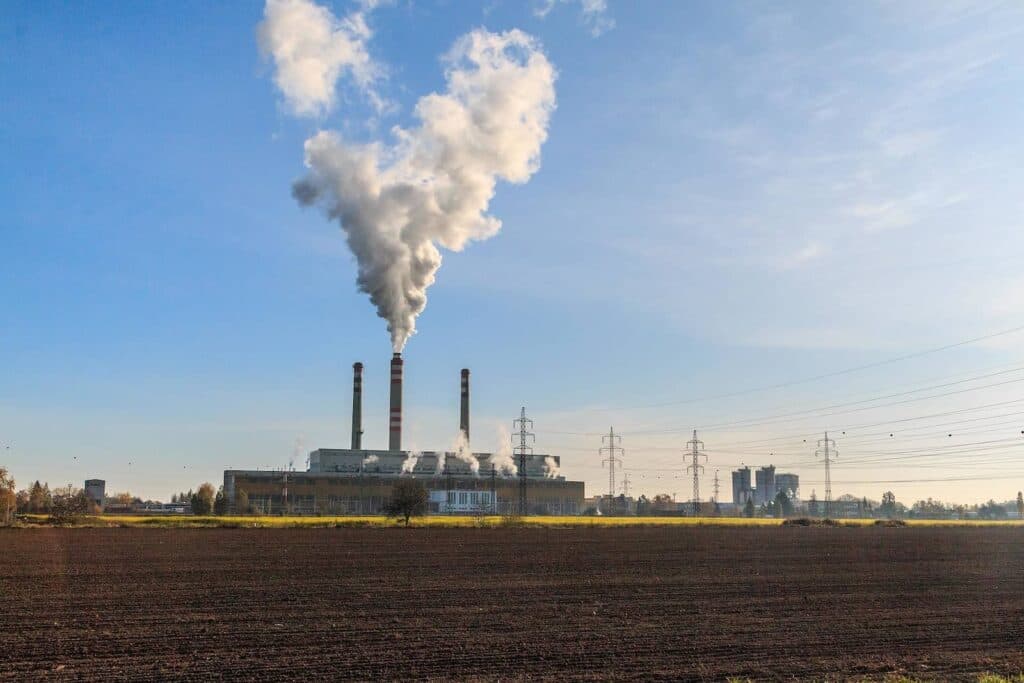
This issue is even more important in winter. Around 40 percent of Czechia’s population is connected to district heating, which provides heating for buildings as well as hot water. However, heating in Czechia is still heavily dependent on fossil fuels: roughly 40 percent of energy comes from coal and 22 percent from fossil gas. This exposes households to fuel price fluctuations and makes the shift away from fossil fuel heating increasingly urgent.
Electrifying heating, however, can break this vicious circle. Heat pumps can use a growing share of renewable electricity to provide efficient, low-emission heating. Renewable electricity can also help modernise district heating systems.
The good news is that one solution can reduce the cost of cooling in summer and heating in winter while also strengthening the resilience of the energy system. Where possible, electrify, generate electricity more cleanly and cheaply, and build a sufficiently flexible system that can handle demand peaks.
“Electrification in Czechia is still held back by the way support for different energy sources is structured. Electricity remains relatively expensive compared with fossil fuels, while fossil fuels continue to benefit from various forms of subsidies and tax relief,” says Nika Murzynová, an energy transition expert at the Centre for Transport and Energy. “So this is not just a technological challenge—it is also a matter of political choice. If Czechia wants households and businesses to switch to electric heating, it must make electricity more affordable, gradually phase out incentives that favour fossil fuels, and invest in the grids and other infrastructure needed to meet growing electricity demand.”
Electrification that makes sense
The EU Electrification Action Plan, published in July, sets an indicative target of reaching an electrification rate of 46 percent by 2040. Achieving this would mean roughly doubling the current pace of electrification in Europe in just 14 years.
Without a focus on rapidly expanding new renewable electricity generation, there is a risk that rising electricity demand will instead be met by fossil fuels, especially gas. Gas-powered electrification would continue to expose Europe to fossil fuel price fluctuations on global markets and undermine its energy security, competitiveness and climate goals.
“It is essential to electrify our energy use and move from burning fossil fuels to using electricity. This means, for example, getting rid of dirty, inefficient and harmful gas boilers and switching to heat pumps,” says Tom Lewis, an energy policy expert at CAN Europe.
What is needed
Electrification can help Czechia reduce heating and cooling costs—if it is done well. The goal should not simply be to electrify energy use, but to build a cleaner, more decentralised and more flexible system that can meet growing needs without driving up costs.
First, Czechia must accelerate the development of decentralised renewable electricity generation. Solar power works particularly well alongside growing demand for cooling: when temperatures rise and air conditioning is used most, solar generation is also at its strongest. Generating more electricity closer to where it is used can also ease pressure on the grid and reduce the need to transmit electricity unnecessarily across the country.
Second, more storage and demand-side flexibility are needed. Batteries can store surplus renewable electricity when generation is high and release it when demand peaks, for example in the evening. Flexible demand can also enable households and businesses to shift their consumption to times when the power system is less under strain and electricity is cheaper.
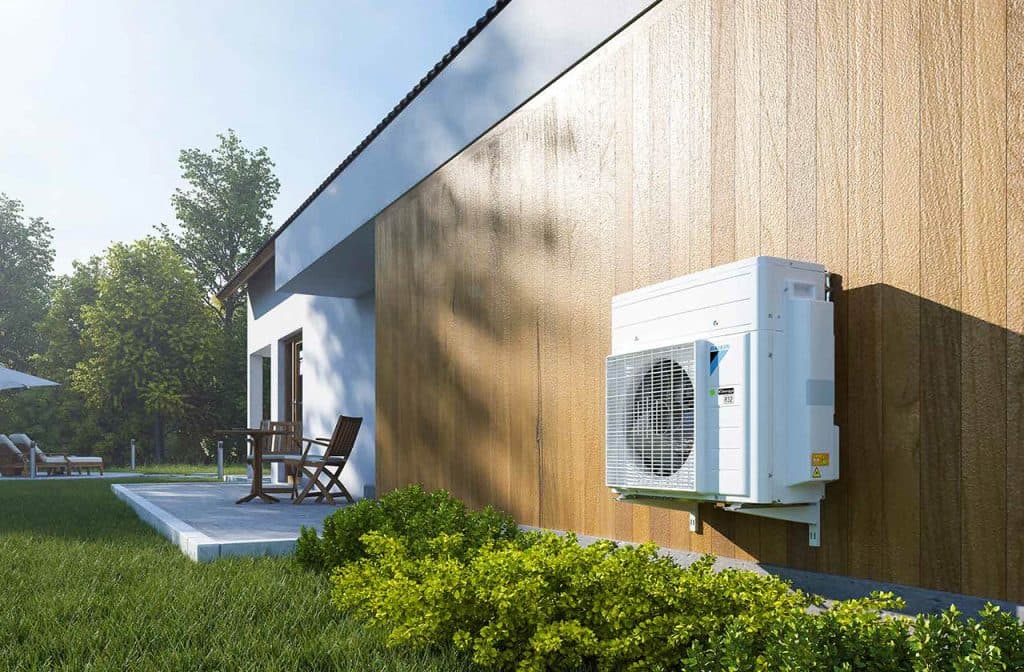
Third, electrifying heating and cooling must go hand in hand with more efficient technologies. Heat pumps are a key part of this transition: reversible heat pumps can provide efficient heating in winter and cooling in summer, using electricity instead of fossil fuels. At the same time, building renovations, insulation and more efficient appliances must reduce the amount of energy we need. After all, the cheapest and cleanest energy is the energy we do not have to use.
Finally, Czechia needs a stronger, more resilient power grid, both nationally and across borders. Grid capacity constraints are already preventing some low-cost renewable generation from being connected and fully used. Investment in grids is therefore not just about keeping the lights on—it is also essential to ensuring that the benefits of renewable electricity reach households and businesses.
Getting the framework right is essential
That is why it is essential for Czech policymakers to get this transition right. Electrification can do much more than replace fossil fuels: it can mean cooler homes in summer, warmer homes in winter and more affordable energy bills all year round. But this will only happen if Czechia builds the infrastructure and puts in place the policies needed to make an electrified energy system work for people.
This means accelerating investment in the power grid and ensuring greater transparency around available connection capacity, so that affordable renewable electricity can actually be connected and used. It also means supporting the development of energy storage, digitalisation and demand-side flexibility, so households and businesses can shift their consumption to times when electricity is cheaper and the grid is less under strain. And it means enabling better energy sharing and smarter integration of heating and cooling systems, rather than treating electricity, heating and cooling as separate systems.
Czechia should also ensure that growing demand for cooling does not simply lead to higher electricity use and higher bills. Minimum efficiency requirements for air-conditioning and cooling equipment, together with building renovations and better insulation, can help keep cooling affordable while also limiting pressure on the power system.
Finally, revenues from the EU ETS should be used to accelerate this transition—by investing in grids, renewables, storage, energy savings and targeted support for households. Instead of using public funds to maintain dependence on fossil fuels, Czechia can use revenues from emissions allowances to build an energy system that is cleaner, cheaper and more resilient.
Electrification could either increase pressure on Czech households and the power system or help make cooling in summer and heating in winter more affordable. How we design the system will determine which outcome prevails and what Czechia’s energy sector looks like in the future.