
28 October 2026, 15:10
Loading...
Eurelectric: Europe must plan for the long term and invest in grid development
Veronika Jurcová
25 March 2024, 15:45
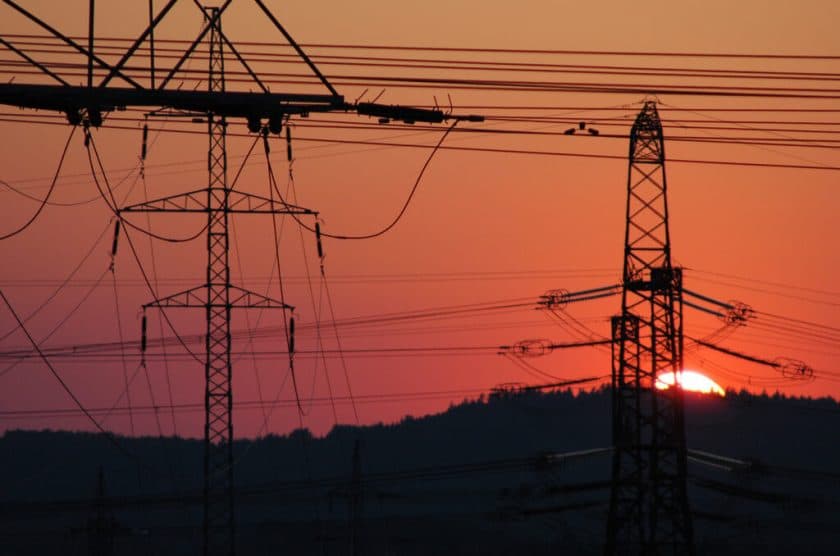
The European electricity industry association Eurelectric is calling for longer-term planning and reform of the rules for setting network charges to finance long-term investment in distribution grids. These investments are expected to total 584 billion euros by 2030, Euractiv reports. In its report, Eurelectric sets out proposals for long-term, forward-looking grid development.
Around 3,000 GW of renewable energy projects worldwide are currently ready to connect to the grid. But the pace of connecting them is not keeping up with the pace of distribution grid upgrades. To accommodate the growing influx of renewable energy sources and the electrification of final energy consumption, further investment is needed to expand, modernise and digitalise the grids.
At the same time, regulatory frameworks that limit distribution system operators' investment in the grid to individual connection requests need to be adapted. Grid investment must not fall behind at a time when the European Union is calling for electrification to reach 50% of final energy consumption by 2040. This approach will require changes to laws and attitudes.
"National regulatory authorities must start thinking ahead, enabling distribution system operators to proactively invest in the infrastructure needed for a zero-emissions grid. The cost of inaction will be much higher for society than temporarily higher investment to ensure that our grid can provide all the services society needs in a decarbonised economy," said Eurelectric Secretary General Kristian Ruby.
Ruby cited the established practice of drawing up three-year grid development plans, which he considers ineffective because this time horizon does not align with longer-term goals.
Europe's energy transition is particularly challenging for distribution system operators, which deliver electricity locally to consumers and other end users. The expected boom in electric vehicles and heat pumps will significantly increase electricity consumption, causing distribution grids to become bottlenecks that slow their expansion.
"We need to find new ways to encourage this long-term approach," Ruby said, adding that a first step would be greater alignment between Member States' long-term plans, national energy and climate plans (NECPs) and distribution grid planning.
Regulatory changes needed – network charges
Eurelectric sees the current rules for setting network charges in distribution grids as an obstacle to long-term investment. These investments are regulated because of their significant impact on the charges paid by consumers. Regulatory authorities may therefore be reluctant to approve investment in infrastructure that will not initially be used to its full capacity.
Yet these anticipated investments, which take future demand growth into account, are essential, even if they will be underused in the short term.
Eurelectric has therefore called on the European energy regulator ACER and national regulatory authorities to develop new guidelines that remove regulatory caps and encourage long-term investment. Ruby also called for additional funding for grid investment in the EU's next long-term budget.
Translation disclaimer
This article is a machine translation of the Czech original and has not yet been fully reviewed. In case of any doubt, please refer to the Czech version.
Sdílejte článek prostřednictvím:
You might also like

28 October 2026, 13:08

28 October 2026, 11:10

28 October 2026, 09:08
