Europe must learn from the mistakes of Germany's Energiewende when building grids

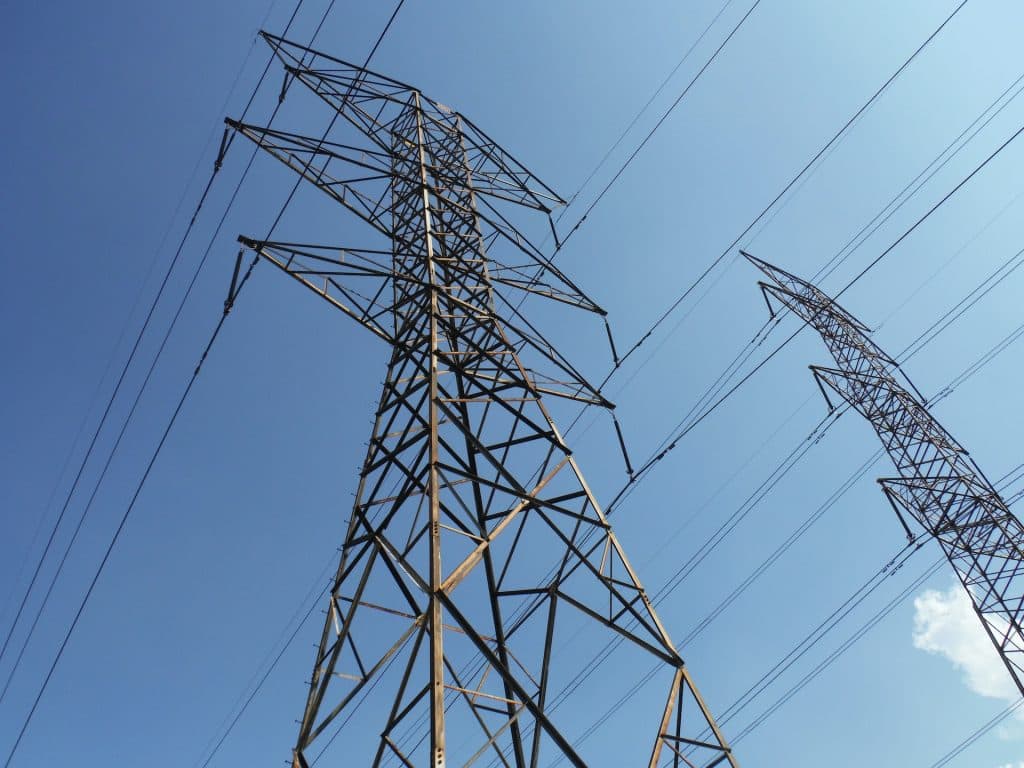
As it pursues the decarbonisation of its energy sector, Europe must better coordinate the development of its electricity grid. Other countries should learn from Germany's mistakes, said the director of TransnetBW.
The development of electricity grids is a weak point in Germany's energy transition and also plays a significant role at the European level. European countries should avoid the mistake of first focusing on expanding renewable energy sources and then grappling with lagging grid development, as is the case in Germany, says Michael Jesberger, director of TransnetBW.
Germany often has to curtail renewable energy generation and bring conventional power plants online near centres of consumption instead to prevent grid congestion. These costly measures, known as redispatch, cost Germany billions of euros a year.
Redispatch occurs when generation sources at locations other than those originally scheduled to supply electricity to the grid are brought online to prevent congestion in parts of the power system. These measures are costly because the original generators must be compensated for being unable to supply electricity to the grid, while the replacement generators must also be paid for the electricity they produce.
Among the main obstacles to grid expansion in Germany are lengthy permitting and planning procedures, as well as recurring supply chain problems involving materials such as steel or wood chips, and a shortage of skilled workers, Jesberger said. A legislative change last year appears to have significantly accelerated permitting and planning procedures, but this has further exacerbated the shortages of skilled workers and supply chain problems.
According to Jesberger, a lack of coordination between the approaches of individual EU member states is a problem at the European level. “The very different approaches in member states are not ideal,” Jesberger said.
Although the EU does not have the authority to fully dictate member states' energy mixes, it could improve coordination, he said. A key task for the coming years would be to develop a plan for the installed capacity of power generation needed to achieve climate neutrality by 2050. This should be planned on a regional basis, Jesberger added.
“We would have to look at how much wind is available in Spain or the North Sea, and, on the other hand, at what regional consumption patterns will look like—for example, how many heat pumps or electric cars will be connected to the grid, and where,” Jesberger said.
Every EU member state has the right to determine its own energy mix, but Europe's energy markets are becoming increasingly integrated and interdependent physically, economically and in terms of regulation.
Translation disclaimer
This article is a machine translation of the Czech original and has not yet been fully reviewed. In case of any doubt, please refer to the Czech version.