
23 October 2026, 14:38
Loading...
Costs of stabilizing Spain's grid after blackout surge

Eduard Majling
11 June 2025, 06:24
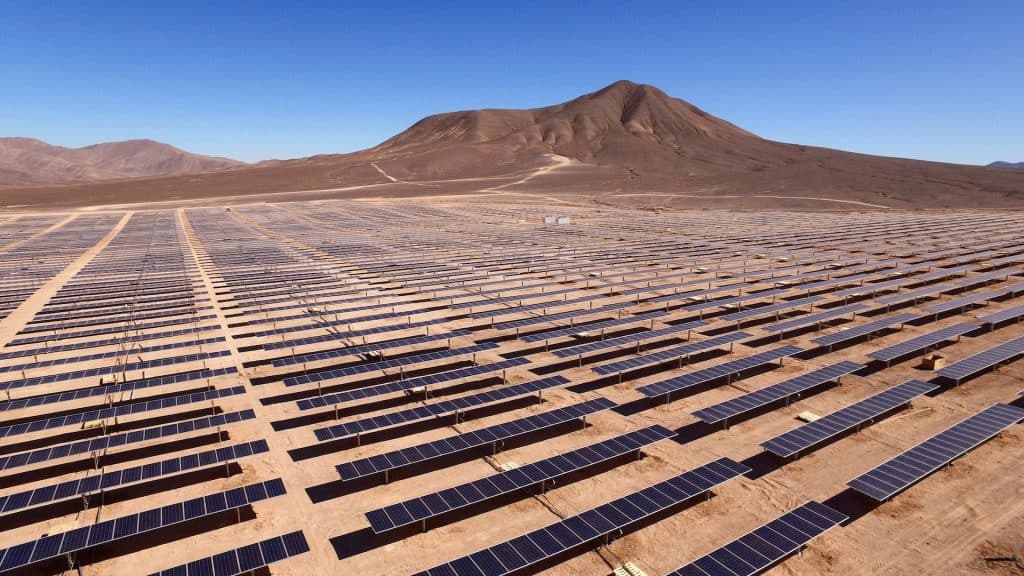
The recent blackout, which crippled the power grids in Spain and Portugal, had an immediate impact on grid operations there. The Spanish transmission system operator has begun curtailing more solar power generation in favour of combined-cycle gas-fired plants. This also entails additional costs, which are several times higher than in previous years. The investigation into the causes of the blackout is ongoing, but is likely to take several months.
The Spanish transmission system operator REE has increased redispatch volumes in recent weeks. In this case, REE curtails generation from solar power plants that sell their output on the day-ahead market. By contrast, combined-cycle gas-fired plants are being brought into operation more often, giving them greater scope to adjust their output. According to S&P Global, this is likely due to increased concerns about the stability of the grid.
The cost of curtailing generation in Spain averaged 3.5 million euros a day during the first quarter of this year, comparable to the 3.4 million euros a day average for the whole of last year. However, it surged after the blackout on 28 April, reaching 13 million euros in a single day on 30 April. The figure continued to rise, reaching 18.5 million euros on 2 May.

Cost of curtailing generation in Spain between January 2024 and May 2025. Source: S&P Global
According to S&P Global, these costs totalled 386.5 million euros over almost the entire past month. That is twice the figure for May last year and nearly five times the figure for May 2023.
"The Spanish electricity market has yet to fully return to normal since the blackout on 28 April, and the grid is being operated cautiously. This cautious approach is evident in interventions made after the day-ahead market has cleared, with Spanish transmission system operator REE significantly increasing the level of redispatch at Spanish combined-cycle gas-fired power plants," said Alexandre Mace, an analyst at S&P Global Commodity Insights.
According to Mace, the transmission system operator has therefore been regularly using additional auctions after the day-ahead market closes. These are used to adjust power plants' operating schedules to reflect current technical constraints on the Spanish grid, both at individual nodes and nationwide.
In May, supplies from combined-cycle gas-fired power plants following the first technical auction totalled 2.2 TWh. By contrast, these plants sold output totalling just 13.7 GWh on the day-ahead market. Solar power plants, meanwhile, delivered 4.7 TWh, while selling 5.5 TWh on the day-ahead market. Their generation was therefore curtailed by more than 800 GWh in total. According to S&P Global, this represents a record gap in Spain between generation sold on the day-ahead market and the volumes actually delivered.

Volumes of curtailed solar generation through redispatch in Spain between January 2024 and May 2025. Source: S&P Global
Translation disclaimer
This article is a machine translation of the Czech original and has not yet been fully reviewed. In case of any doubt, please refer to the Czech version.
Sdílejte článek prostřednictvím:
You might also like


23 October 2026, 11:01


23 October 2026, 06:34